

 Oral surgery Dry socket: how to prevent it and what to do
How to recognise dry socket after an extraction, how to lower the risk and what treatment involves.
Oral surgery Dry socket: how to prevent it and what to do
How to recognise dry socket after an extraction, how to lower the risk and what treatment involves.
Oral surgery
Wisdom teeth removal recovery: a day-by-day guide

How long does wisdom teeth removal recovery take?
For most people, recovery after wisdom teeth removal takes around one to two weeks. The exact course depends on how many teeth your surgeon removes and whether they lie under the gum or bone (impacted teeth). It also depends on whether the surgeon needs to remove bone or divide the tooth, and on individual factors such as age and smoking. A simple extraction of an erupted upper wisdom tooth often heals faster than surgical removal of a deeply impacted lower one.
The socket itself continues to fill in with new tissue for several weeks after symptoms have settled, and the bone remodels over a few months. That deeper healing happens quietly in the background and does not usually affect daily life.
What does wisdom teeth removal recovery look like day by day?
The table below describes a typical recovery after surgical removal of lower wisdom teeth. Your own experience may be faster or slower.
| Time | What is normal | What helps |
|---|---|---|
| Day of surgery | Numbness for several hours, oozing of blood, mild to moderate discomfort as the anaesthetic wears off | Bite on gauze, rest with head raised, take painkillers before numbness fades, cold drinks and soft cool food |
| Day 1 | Swelling begins, some blood-tinged saliva, jaw feels stiff | No rinsing or spitting for the first 24 hours, cold packs on the cheek, regular pain relief |
| Days 2 to 3 | Swelling and stiffness usually peak, bruising may appear on the cheek or neck | Gentle warm salt water rinses after meals, soft diet, keep taking pain relief regularly |
| Days 4 to 5 | Swelling starts to go down, pain eases, mouth opens a little more | Continue rinses and gentle brushing, introduce slightly firmer soft foods |
| Days 6 to 7 | Most people feel much better, stitches may start to dissolve | Gradual return to normal routine, keep the sockets clean |
| Week 2 | Residual stiffness and bruising fade, sockets feel less tender | Return to a normal diet as comfortable, attend any review appointment |
What should you do on the day of surgery?
The main goal on the first day is to let a stable blood clot form in each socket. The clot protects the bone and is the foundation for healing. Bite firmly on the gauze provided for the time your surgeon advises. If oozing continues, place a fresh folded gauze or a damp tea bag over the socket and bite for another 20 to 30 minutes.
Rest quietly and keep your head raised, including when sleeping, by using an extra pillow. Avoid hot drinks, alcohol, smoking, strenuous exercise and rinsing your mouth for the first 24 hours, because all of these can disturb the clot or restart bleeding. Eat soft, cool or lukewarm food once the numbness has worn off, and be careful not to bite your numb lip or cheek.
How can you ease pain and swelling in wisdom teeth removal recovery?
Swelling is a normal response to surgery and does not mean something is wrong. Cold packs wrapped in a cloth, held on the cheek for 10 to 20 minutes at a time during the first day, can help limit swelling. After the first day or two, swelling usually starts to resolve on its own.
You will usually manage pain best by taking painkillers regularly in the first few days, rather than waiting until pain becomes strong. Surgeons commonly recommend paracetamol and ibuprofen, alone or together, if they suit you. Always follow the dosing instructions and your surgeon’s advice, particularly if you have asthma, stomach problems, kidney problems, are pregnant or take other medicines.
What can you eat after wisdom teeth removal?
A soft diet is easiest for the first few days. Good options include:
- yoghurt, smooth soups (lukewarm, not hot), scrambled eggs and porridge
- mashed potato, pasta, risotto and soft fish
- bananas, smoothies taken from a cup rather than through a straw
- soft bread without crusts and well-cooked vegetables
Avoid crunchy, crumbly, spicy and very hot foods for the first week, as small pieces can lodge in the sockets and heat can increase bleeding. Chew on the opposite side where possible. Drink plenty of water to stay hydrated.
How should you clean your mouth during recovery?
Keeping the mouth clean reduces the risk of infection. For the first 24 hours, do not rinse. From the following day, rinse gently with warm salt water (half a teaspoon of salt in a glass of warm water) after meals and before bed, letting the water fall out of your mouth rather than spitting forcefully. Your surgeon may recommend an antiseptic mouthwash as well.
Continue brushing your other teeth as normal, taking care near the surgical sites. Once tenderness allows, brush gently close to the sockets to remove plaque. If the team gave you an irrigation syringe, use it only from the day your surgeon advises.
When can you go back to work, school or exercise?
During wisdom teeth removal recovery, many people take two to three days off work or study, and some need up to a week after more complex surgery. If you had sedation, you must not drive, operate machinery, sign legal documents or drink alcohol for at least 24 hours.
Light walking is fine from the first day. Avoid strenuous exercise, heavy lifting and contact sports for several days. Raised blood pressure can restart bleeding, and a blow to the jaw could cause harm during healing. Return gradually as you feel able.
Is it normal to have a stiff jaw after wisdom teeth removal?
Yes. Stiffness and limited mouth opening, known as trismus, are common after lower wisdom tooth surgery. The chewing muscles sit close to the surgical area and react to swelling and to keeping the mouth open during the procedure. Stiffness usually peaks with the swelling around days two to three and eases gradually over seven to ten days.
Gentle, regular opening and closing movements once the first couple of days have passed can help, as can warm compresses on the cheek after the first 48 hours. Do not force the jaw open. If stiffness is getting worse after the first week, especially with swelling or fever, ask your surgeon to check it.
What is dry socket and how do you recognise it?
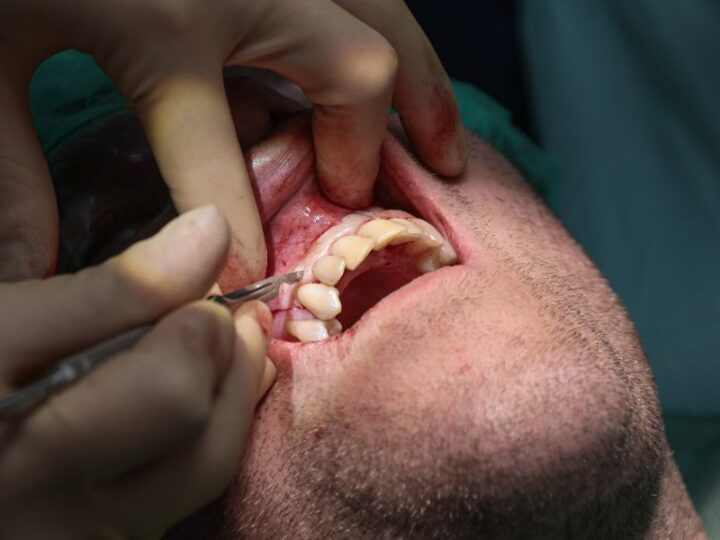
Dry socket happens when the blood clot breaks down or falls out early and leaves the bone exposed. The typical sign is pain that gets worse rather than better, usually starting two to four days after the extraction, often spreading towards the ear, with an unpleasant taste or smell. It is more common after lower wisdom tooth removal and in smokers.
Dry socket is painful but treatable. Your surgeon can clean the socket and place a soothing dressing. The guide on dry socket covers prevention and treatment in detail.
When should you contact your surgeon?
Contact your surgeon or the clinic promptly if you notice any of the following:
- bleeding that does not stop after biting on gauze for 30 minutes or more
- pain that worsens after day three or that painkillers do not control
- swelling that increases after day three, or a high temperature
- pus, a persistent bad taste or a foul smell from the socket
- numbness or tingling of the lip, chin or tongue that persists after the anaesthetic should have worn off
Seek emergency care straight away if you have difficulty swallowing or breathing, or swelling spreading under the jaw or towards the eye. The NHS guide to wisdom tooth removal also gives general advice on recovery.
Can anything make wisdom teeth removal recovery smoother?
Preparation helps. Stock up on soft food and painkillers before surgery, arrange time off, and plan for someone to take you home if you are having sedation. Avoiding smoking before and after surgery is one of the most effective things you can do to reduce complications.
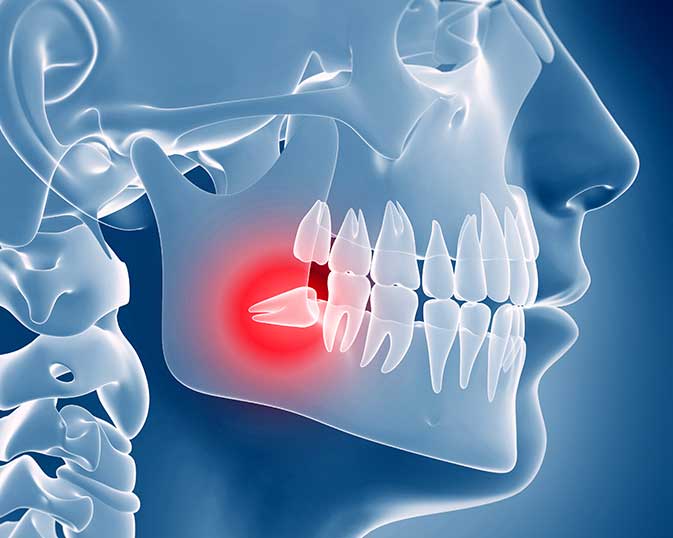
Careful surgical planning also plays a part. A preoperative X-ray, and a CBCT scan when the roots are close to the nerve, helps the surgeon choose the least traumatic technique. Dr Battista assesses the position of each tooth in relation to the nerve before recommending surgery. If you have questions about wisdom teeth or a referral from your dentist, you can contact the clinic. Dentists can also find referral information on the for dentists page.
Frequently asked questions
How long does swelling last after wisdom teeth removal?
Swelling usually increases over the first two to three days, then gradually settles over the following week. Bruising on the cheek or neck can take up to two weeks to fade. Cold packs on the first day and keeping your head raised can help. Swelling that keeps increasing after day three, especially with fever, should be checked by your surgeon.
When can I eat normally after wisdom teeth removal?
Most people move from a soft diet back to normal food over one to two weeks, guided by comfort and mouth opening. Avoid crunchy, crumbly, spicy and very hot foods for at least the first week, because they can irritate or lodge in the sockets. Chewing on the opposite side helps while the surgical area is tender.
Can I use a straw after wisdom teeth removal?
It is generally advised to avoid straws for the first few days. The suction created in the mouth can disturb the blood clot in the socket and may increase the risk of bleeding or dry socket. Drinking from a cup is a safer choice. Your surgeon may give specific advice depending on the extent of the surgery.
When should I start salt water rinses?
Avoid rinsing for the first 24 hours to let the clot settle. From the next day, gentle warm salt water rinses after meals and before bed help keep the sockets clean. Let the water fall out of your mouth instead of spitting forcefully. Continue for about a week, or as your surgeon advises.
Is numbness after wisdom tooth surgery normal?
Numbness from the local anaesthetic normally wears off within a few hours. Occasionally the nerves supplying the lip, chin or tongue are bruised during surgery, causing tingling or numbness that lasts longer. In most cases sensation recovers over weeks or months, but rarely it can be permanent. Report any numbness persisting beyond the first day to your surgeon.
How many days off work do I need?
Many people take two to three days off after wisdom teeth removal, and up to a week after more complex surgery or if several teeth were removed. Jobs involving heavy physical work may need longer. If you had sedation, you must not drive or return to work for at least 24 hours.
More guides
All guides
Oral surgery Dry socket: how to prevent it and what to do
How to recognise dry socket after an extraction, how to lower the risk and what treatment involves.
 Oral surgery When should a GP dentist refer to an oral surgeon?
Clinical triggers for referral, how complexity is assessed and what makes a referral quick and useful for everyone.
Oral surgery When should a GP dentist refer to an oral surgeon?
Clinical triggers for referral, how complexity is assessed and what makes a referral quick and useful for everyone.
 Dental implants How much do dental implants cost in London?
The real factors behind implant pricing in London, and how to compare treatment quotes on a like-for-like basis.
Dental implants How much do dental implants cost in London?
The real factors behind implant pricing in London, and how to compare treatment quotes on a like-for-like basis.
Next step
Talk it through before you decide
Send me a short message about what is going on. You will get an honest answer on whether surgery is the right step, and what the options are.