

Digital implant surgery
Guided implant surgery
Implants planned in 3D and placed through a custom-made guide for accurate position, angle and depth.
What is guided implant surgery?
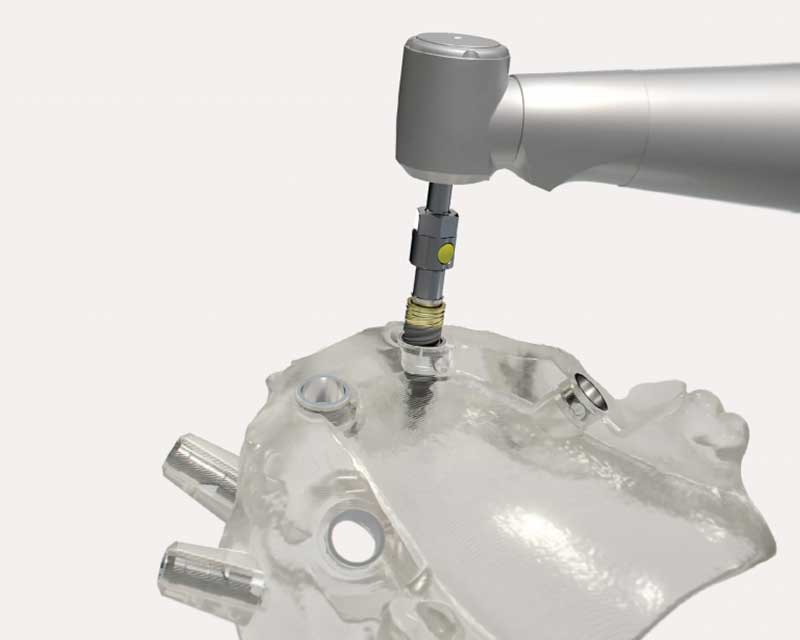
Guided implant surgery, also called fully guided or static guided surgery, places dental implants exactly where I planned them on a computer. For each patient, a laboratory or a 3D printer produces a surgical guide. This rigid template has metal sleeves, and it fits over the teeth, gum or bone during surgery. The drills pass through the sleeves, which control the position, angle and depth of every implant.
In freehand implant surgery, the surgeon reads the anatomy during the operation. Guided surgery, by contrast, moves most of those decisions to the planning stage. At that point I can study the bone, nerves and sinus in three dimensions beforehand.
How does guided implant surgery work?
- CBCT scan. A cone beam CT scan shows the bone in 3D, including its height, width and density, and the position of nerves, roots and sinuses.
- Digital impression. An intraoral scanner records the teeth and gums. Patients without teeth may wear a radiological template, based on the denture, during a second scan. That way the planned teeth show up on the images.
- Virtual planning. I merge the scans in software such as DTX Studio, coDiagnostiX, 3Shape Implant Studio or SICAT. Then I design the final teeth and plan each implant around them.
- Guide manufacture. A specialist laboratory designs and manufactures the drilling guide from the plan, or a 3D printer produces it.
- Surgery. I fit the guide in the mouth, check that it seats precisely, and place the implants through it.
What are the benefits of guided surgery?
The main benefit is accuracy. Accuracy matters most when I place several implants, when implants support a denture or a large bridge, or when bone lies close to a nerve or the sinus. Studies of static guides typically report average deviations of around a millimetre between the planned and the final implant position. That is generally smaller than with freehand placement.
- implants positioned to support the planned crown or bridge
- a safer distance from nerves, roots and the sinus, planned in advance
- in suitable cases, keyhole (flapless) surgery without stitches, which usually means less swelling
- the option to prepare temporary teeth before surgery
- a shorter, more predictable operation
Who is suitable for guided implant surgery?
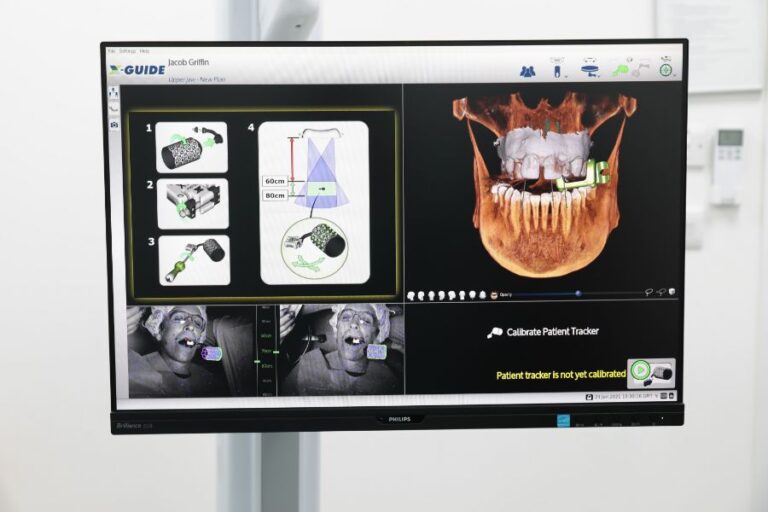
Most implant patients can benefit from guided surgery, from a single tooth to a full arch. It is especially useful for multiple implants, for full-arch treatments such as All-on-4 and All-on-6, and for narrow sites. However, mouth opening can limit it. The guide and the longer guided drills need extra space, which can make back teeth difficult if you cannot open widely. In those cases X-Guide navigated surgery can be a better option.
How does Dr Eric Battista use guided surgery?
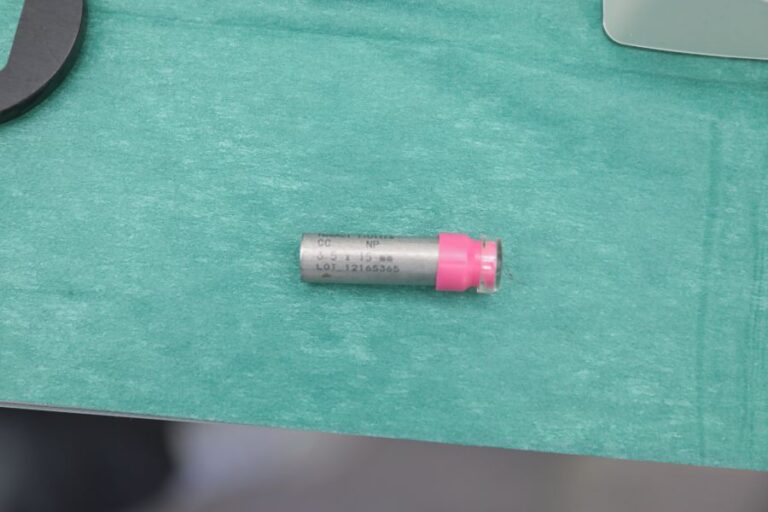
Digital planning is central to how I work. I am part of the Nobel Biocare specialist team for fully guided implant surgery, and I have lectured on the use of DTX Studio in oral and implant surgery. Every guided case I plan personally, from the scan to the final position of each implant. Then I review the plan with you at consultation, so you can see where the implants will go.
| Static guide | Dynamic navigation (X-Guide) | |
|---|---|---|
| How the plan is transferred | Physical guide with sleeves | Real-time tracking on a screen |
| Lead time | Guide must be made before surgery | No guide to manufacture |
| Plan changes during surgery | Limited | Possible |
| Mouth opening needed | More | Less |
| Flapless surgery | Possible in suitable cases | Possible in suitable cases |
What happens on the day?
I carry out guided surgery under local anaesthetic, and EB Dental also offers sedation. First, I seat the guide and check its fit. Then I prepare the implant sites through the sleeves in sequence and place the implants. Where the plan allows, I fit a temporary crown or bridge the same day. Many single guided implants take less than an hour.
What is recovery like?
When surgery is flapless, discomfort and swelling are often mild and settle within two or three days. When I need to open the gum, for example to add a bone graft, recovery is similar to conventional implant surgery. Integration usually takes around three to six months before I fit the final teeth. For general background on implants and their care, see the Oral Health Foundation guide to dental implants.
What are the risks and limitations?
Guided surgery reduces risk but does not remove it. The general risks of implant surgery still apply, including pain, swelling, infection, nerve or sinus involvement and implant failure. Small deviations from the plan can still occur, for example if the guide does not seat perfectly or flexes. A guide also restricts cooling of the bone, so I adapt the drilling protocol. Surgical judgment still matters throughout, because the plan is only as good as the scans behind it.
Why choose a specialist in oral surgery?
Guided surgery is a tool, and the result depends on the person who plans and uses it. As a specialist in oral surgery, I can manage the cases where planning shows limited bone, nerves or sinus involvement. Read more about my training, book a consultation, or, if you are a dentist, refer a patient.
Frequently asked questions
Is guided implant surgery more accurate than freehand surgery?
Research generally shows that fully guided surgery places implants closer to the planned position than freehand surgery, with average deviations of around a millimetre in many studies. Accuracy depends on good scans, a well-fitting guide and the surgeon's technique. Guided surgery is particularly helpful when several implants are placed or when bone is close to a nerve or the sinus.
Does guided surgery mean no stitches?
Sometimes. When there is enough bone and gum, implants can be placed through small circular openings without lifting the gum, known as flapless surgery, and no stitches are needed. When bone grafting is required or the gum is thin, the gum is opened in the usual way. Your surgeon will explain which applies to you.
How long does it take to make a surgical guide?
After the CBCT scan and digital impression, the plan is prepared and the guide is designed and manufactured. Depending on the laboratory and the complexity of the case, this usually takes from several days to a couple of weeks. When surgery is needed sooner, dynamic navigation can avoid the wait for a guide.
Is guided implant surgery suitable for a single tooth?
Yes. Guided surgery is often associated with full-arch treatment, but it can also help with a single implant, particularly at the front of the mouth where position strongly affects appearance, or in narrow sites close to roots or nerves. The decision depends on the anatomy shown by the CBCT scan.
Related treatments
All treatments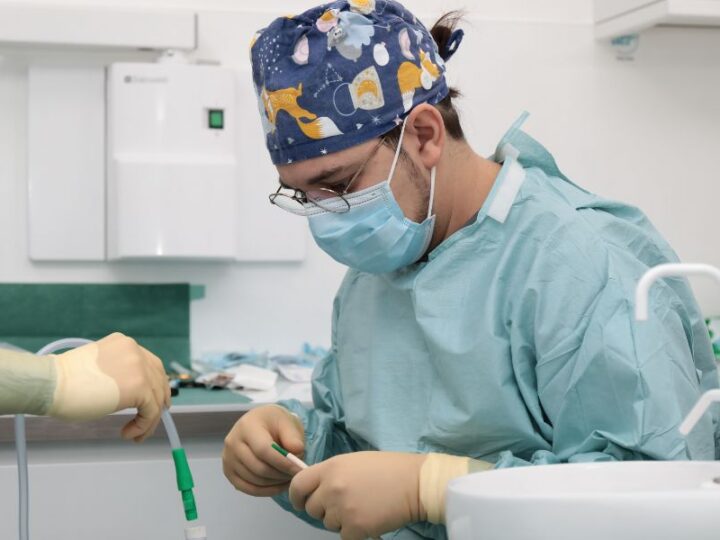 Dental implants
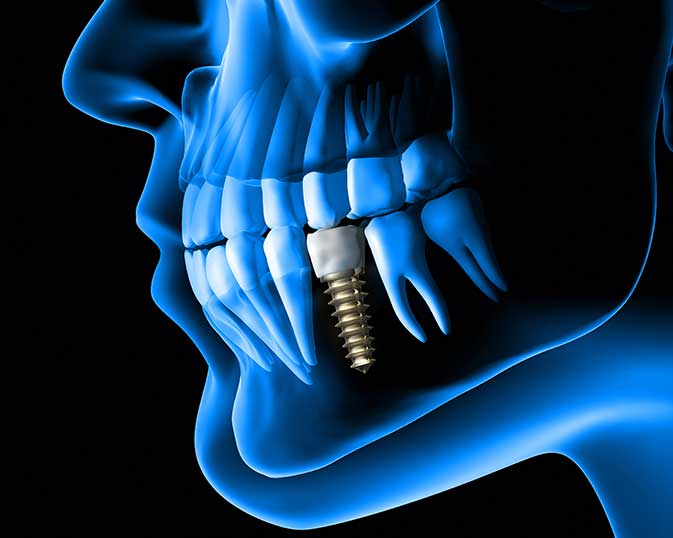
A fixed, natural-looking replacement for one tooth, several teeth or a full arch, planned in 3D from a CBCT scan. Read more
Dental implants
A fixed, natural-looking replacement for one tooth, several teeth or a full arch, planned in 3D from a CBCT scan. Read more
 Immediate implants
Removing a failing tooth and placing the implant in the same appointment, often with a temporary tooth on the day. Read more
Immediate implants
Removing a failing tooth and placing the implant in the same appointment, often with a temporary tooth on the day. Read more
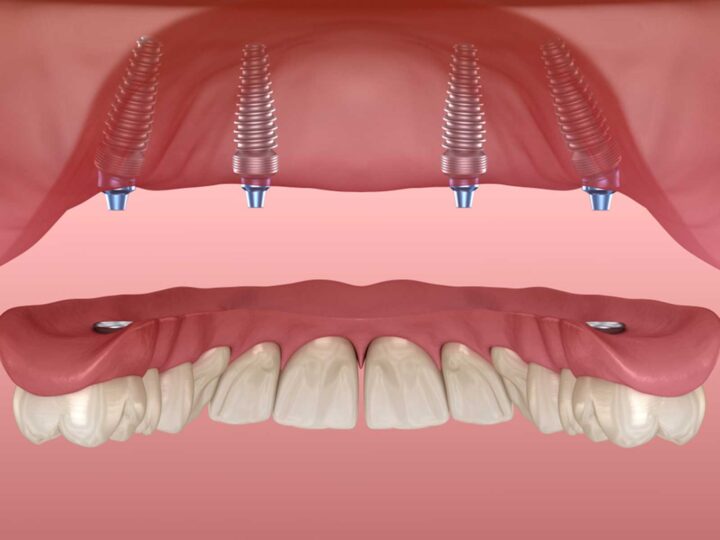 All-on-4 and All-on-6
A fixed full-arch bridge on four or six implants, often with temporary teeth fitted on the day of surgery. Read more
All-on-4 and All-on-6
A fixed full-arch bridge on four or six implants, often with temporary teeth fitted on the day of surgery. Read more
Next step
Talk it through before you decide
Send me a short message about what is going on. You will get an honest answer on whether surgery is the right step, and what the options are.