

Oral surgery
Wisdom teeth removal
When a wisdom tooth needs to come out, what the surgery involves and how to recover well.
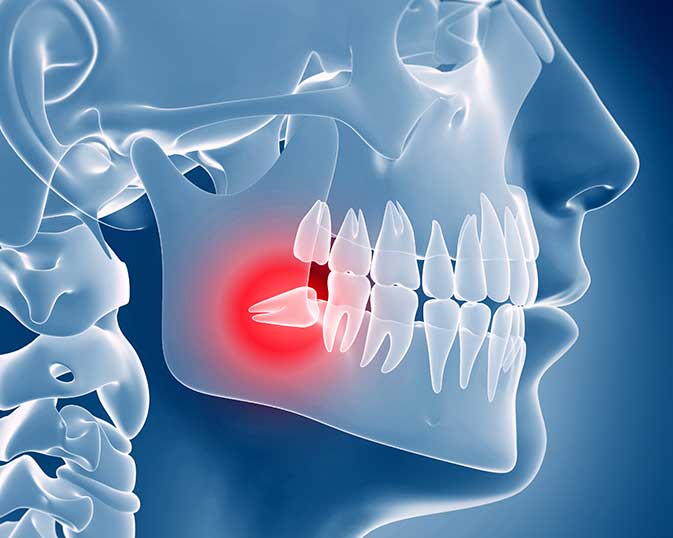
Why do wisdom teeth cause problems?
Wisdom teeth removal is a common oral surgery procedure, but it is not always necessary. Wisdom teeth, or third molars, are the last teeth to develop in the jaws. They usually appear between the late teens and mid twenties, and often there is not enough space for them to come through into the correct position like the other teeth. Dentists call a wisdom tooth impacted when it is stuck partly or fully under the gum or bone. Its angle can vary: upright, tilted forwards (mesioangular), lying on its side (horizontal) or tilted backwards.
Many patients come to me because their dentist has referred them after problems with a wisdom tooth. The most common reasons are:
- pain, swelling or infection of the gum covering the tooth, known as pericoronitis
- decay in the wisdom tooth itself
- food that traps around the tooth, where it is hard to clean
- decay or gum problems in the second molar, the tooth just in front
- less commonly, a cyst forming around the crown of the tooth
Some wisdom teeth cause no symptoms at all, yet a problem may be developing that you are unaware of. A clinical examination and an X-ray are the only reliable way to know.
When is wisdom teeth removal the right choice?
In England and Wales, the National Institute for Health and Care Excellence (NICE) advises against removing impacted wisdom teeth that are healthy and free of disease purely as a preventive measure. NICE recommends wisdom teeth removal when there is evidence of a problem, for example:
- decay in the wisdom tooth that your dentist cannot repair
- infection, abscess or cellulitis linked to the tooth
- a second or further episode of pericoronitis, or a single episode that is particularly severe
- a cyst, tumour or other disease of the tissue around the tooth
- resorption or damage to the wisdom tooth or the neighbouring tooth
- a fractured tooth, or a tooth in the way of other planned jaw surgery
There is also strong evidence about partly erupted wisdom teeth that tilt forwards or lie horizontally. These teeth carry a higher risk of decay in the back of the tooth in front. If left alone, that decay can progress until both teeth become painful. If the second molar has decayed, your dentist will need to repair it after the wisdom teeth removal. UK surgical guidance supports discussing removal in these cases, and I will explain the balance of benefits and risks for your own situation.
If your wisdom teeth are healthy, my advice will usually be to leave them in place and keep them under review with your dentist.

How do I assess you before wisdom teeth removal?
At your consultation I examine the area, review your medical history and take a panoramic X-ray (an OPG) that shows the whole of both jaws. The X-ray tells me the position of the tooth, the shape of its roots and how close it sits to the inferior alveolar nerve, which gives feeling to the lower lip and chin.
When the roots appear very close to the nerve, a 3D scan called cone beam CT (CBCT) can show the relationship far more clearly. You can read more about how I use 3D imaging on the digital dentistry page.
What happens during wisdom tooth surgery?
I carry out most wisdom teeth removal under local anaesthetic, so the area is completely numb while you remain awake. You will feel pressure but should not feel sharp pain. If you are particularly anxious, we can discuss sedation, and I will advise whether it is suitable for you.
- First, I gently open the gum over the tooth if it is not fully visible.
- Then I may remove a small amount of bone. I often divide the tooth into sections so that it comes out with less force.
- Finally, I clean the socket and close the gum, usually with dissolvable stitches.
A straightforward upper wisdom tooth may take a few minutes. A deeply impacted lower tooth takes longer. Where the roots wrap around the nerve, a coronectomy may be an option. In this procedure I remove the crown and deliberately leave the roots in place, which reduces the risk of nerve injury.
What are the risks of wisdom teeth removal?
Every surgical procedure carries risks, and I discuss them with each patient before consent. The common and usually short-lived effects are:
- pain, swelling and bruising, which tend to peak around the second or third day
- stiffness of the jaw and difficulty opening wide
- some bleeding in the first 24 hours
- infection or dry socket, a painful condition where the socket loses its blood clot
Less common but important is injury to the nerves near lower wisdom teeth. This can cause tingling or numbness of the lip, chin or tongue. In most cases the altered sensation is temporary and recovers over weeks or months; permanent change is rare. The exact level of risk depends on the position of the tooth, which is why careful imaging matters.
What is recovery like?
Most people take one to three days away from work or study, depending on the difficulty of the surgery and the type of job. For the first day, avoid hot drinks, vigorous rinsing, smoking and alcohol. From the following day, gentle warm salt water rinses keep the area clean. Soft food, regular pain relief as advised, and sleeping with your head slightly raised all help.
Contact the clinic if you have bleeding that will not stop with pressure, increasing pain after day three, a high temperature, or numbness that has not worn off by the next day.
Seeing me for wisdom teeth in London
I assess and remove wisdom teeth at EB Dental in Worcester Park and Kentish Town. You can book directly or ask your dentist to refer you. Details of each clinic are on the where I practise page, and dentists can use the referral page. If a missing back tooth needs replacing later on, dental implants are one of the options we can discuss.
Frequently asked questions
Should healthy wisdom teeth be removed?
Usually not. NICE guidance in England and Wales advises against removing impacted wisdom teeth that are healthy and free of disease simply as a precaution. Removal is recommended when there is evidence of a problem, such as unrestorable decay, repeated infection, a cyst or damage to the neighbouring tooth. Your surgeon will look at your X-ray and explain whether removal is justified.
Is wisdom tooth removal painful?
The surgery itself should not be painful, because the area is fully numbed with local anaesthetic. You will feel pressure and movement. Afterwards, soreness and swelling are normal and usually peak around the second or third day. Regular pain relief, as advised by your surgeon, keeps most patients comfortable during recovery.
How long does it take to recover from wisdom teeth removal?
Most people feel much better within a week, although the gum can take a few weeks to heal fully. Many take one to three days off work, depending on how difficult the surgery was. Swelling and jaw stiffness are greatest in the first few days and then settle steadily.
What is dry socket and how can I avoid it?
Dry socket happens when the blood clot in the socket is lost, leaving the bone exposed and causing a deep ache a few days after surgery. Avoiding smoking, vigorous rinsing and drinking through a straw in the first days lowers the risk. If it occurs, the clinic can clean and dress the socket to ease the pain.
Can wisdom tooth removal damage a nerve?
Lower wisdom teeth can sit close to the nerves that give feeling to the lip, chin and tongue. Surgery can occasionally bruise these nerves, causing tingling or numbness that is usually temporary. Permanent change is rare. When the roots are very close to the nerve, a CBCT scan and options such as coronectomy help reduce the risk.
Do I need a referral to have my wisdom teeth assessed?
No. You can book a consultation directly at EB Dental in Worcester Park or Kentish Town. Many patients are referred by their own dentist, which is also welcome, and I send a report back to the referring dentist after treatment.
Related treatments
All treatments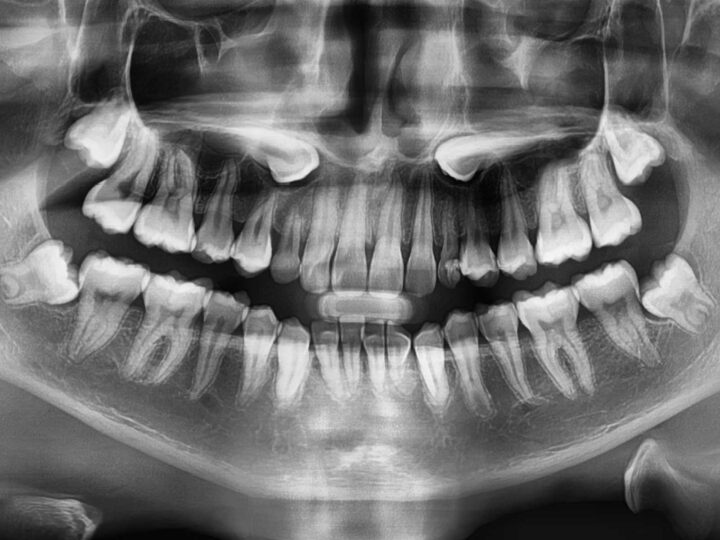 Impacted canines
Surgical exposure of buried eye teeth, planned together with your orthodontist, and removal when it is the better option. Read more
Impacted canines
Surgical exposure of buried eye teeth, planned together with your orthodontist, and removal when it is the better option. Read more
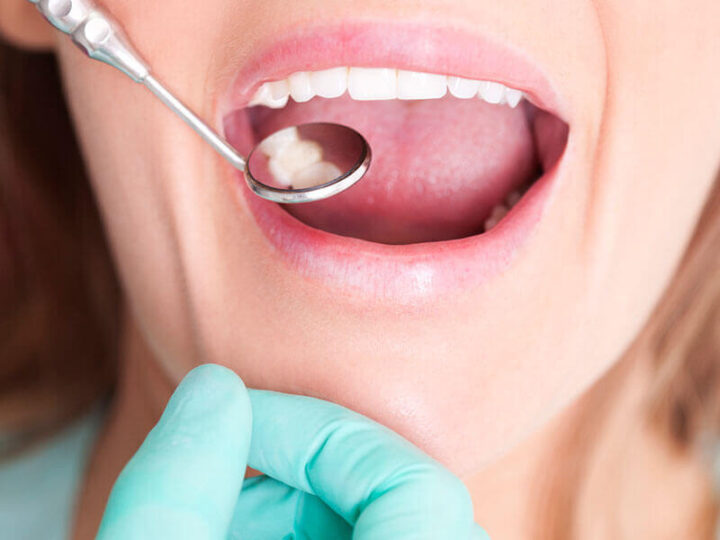 Oral biopsy
A short procedure under local anaesthetic to find out exactly what a lump, patch or ulcer in the mouth is. Read more
Oral biopsy
A short procedure under local anaesthetic to find out exactly what a lump, patch or ulcer in the mouth is. Read more
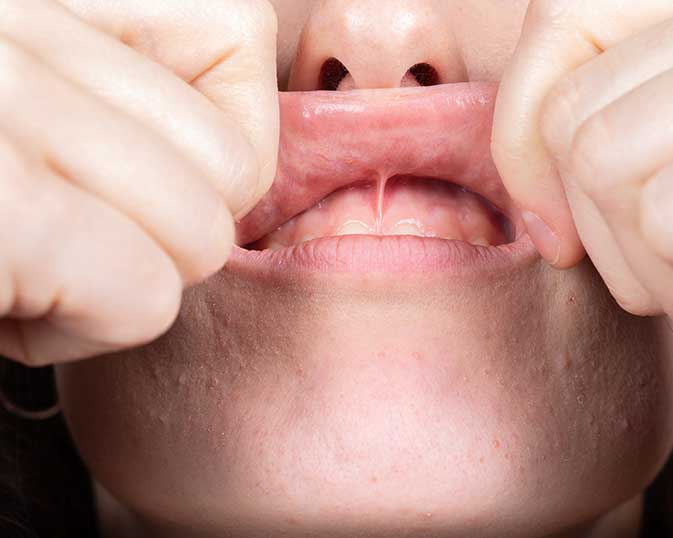 Frenectomy
Releasing a tight lip or tongue frenum when it affects the gums, the teeth, speech or movement. Read more
Frenectomy
Releasing a tight lip or tongue frenum when it affects the gums, the teeth, speech or movement. Read more
Next step
Talk it through before you decide
Send me a short message about what is going on. You will get an honest answer on whether surgery is the right step, and what the options are.