

Oral surgery
Oral biopsy
A short procedure under local anaesthetic to find out exactly what a lump, patch or ulcer in the mouth is.
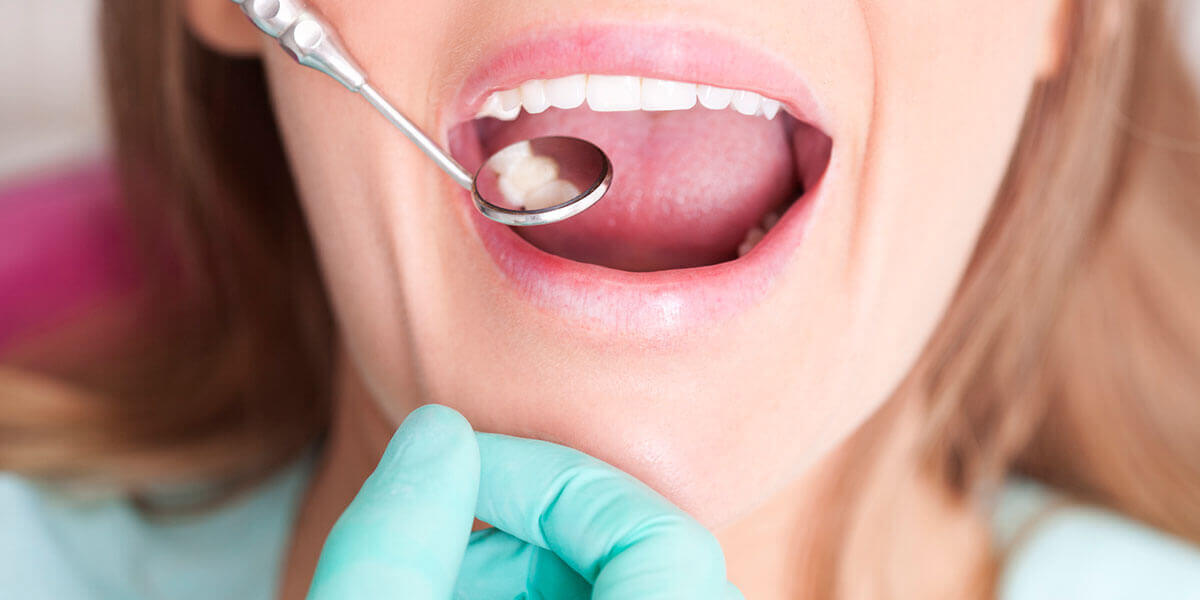
What is an oral biopsy?
An oral biopsy is a short procedure that removes a small piece of tissue from the mouth. A pathologist then looks at it closely under a microscope. The tissue may come from the gum, cheek, tongue, lip, palate or floor of the mouth. A specialist in oral pathology examines the sample and writes a report, which tells your surgeon what the area is and whether you need any treatment.
Hearing that you need a biopsy can be worrying. Still, it helps to know that most biopsies of the mouth show conditions that are not cancer, such as inflammation, a benign growth or a skin condition like lichen planus. The purpose of a biopsy is to replace uncertainty with a clear answer.
When is a biopsy of the mouth or gums recommended?
An oral or gum biopsy tests abnormal or suspicious tissue. I recommend it to help diagnose:
- a sore, ulcer or lesion in the mouth that has not healed within two to three weeks
- a white or red patch on the gum or anywhere in the mouth
- repeated or unexplained ulcers in the mouth
- swelling of the gum, or a lump, that does not go away
- changes in the gums and oral tissues that cause loose teeth or dentures that no longer fit
- a cyst or unusual area that shows on an X-ray, once I remove it
The NHS advises seeing a dentist or doctor about any mouth ulcer that lasts longer than three weeks, or any lump or patch that does not go away. Early assessment is always the safer choice.
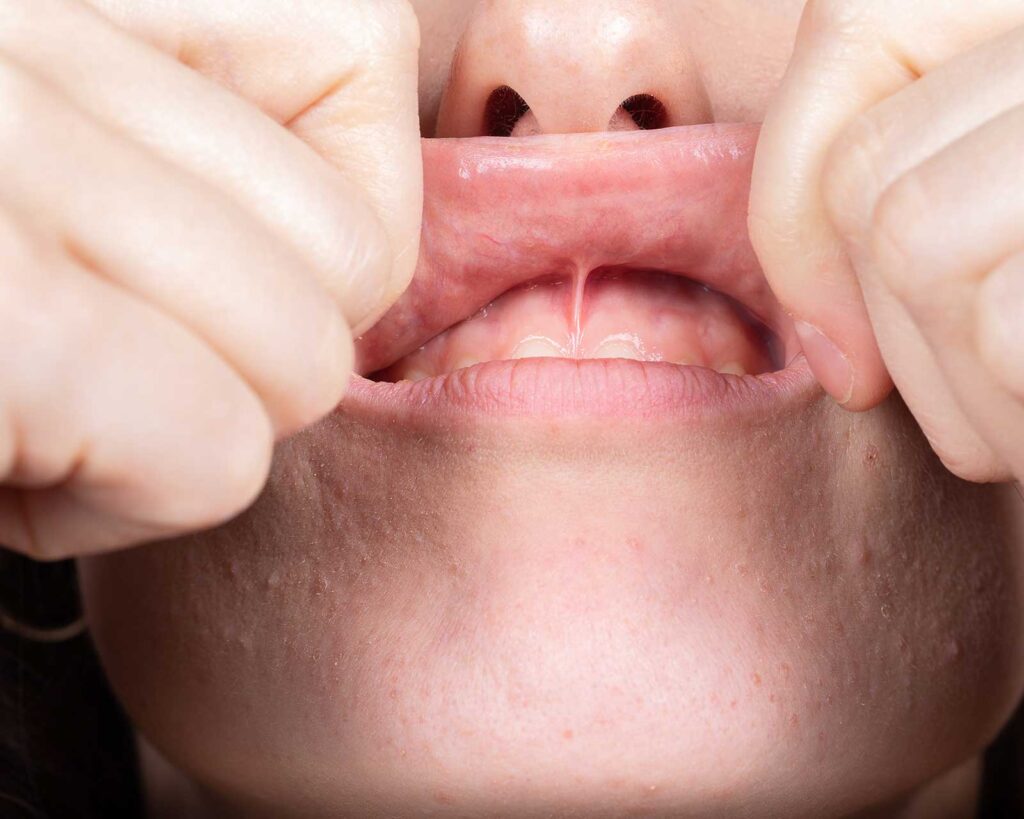
What types of biopsy are there?
| Type | What it involves | Typically used for |
|---|---|---|
| Excisional biopsy | I remove the whole area, with a small margin of normal tissue. | Small lumps or swellings, where removal is both the diagnosis and the treatment. |
| Incisional biopsy | I remove only a small, representative piece of the area to confirm a diagnosis. | Larger patches or ulcers, where the result guides the next step. |
In general, the choice depends on the size, site and appearance of the area. I explain which type I recommend, and why, before we go ahead.
How should I prepare for an oral biopsy?
Preparation is simple. Eat normally beforehand, because the local anaesthetic does not require fasting. Also, bring a list of your medicines and tell me if you take anything that thins the blood, such as warfarin, apixaban, rivaroxaban or clopidogrel. Do not stop these medicines on your own. In most cases you can continue them, and I will advise on any precautions. It also helps to note when you first noticed the area and whether it has changed in size, colour or comfort, because that history forms part of the diagnosis.
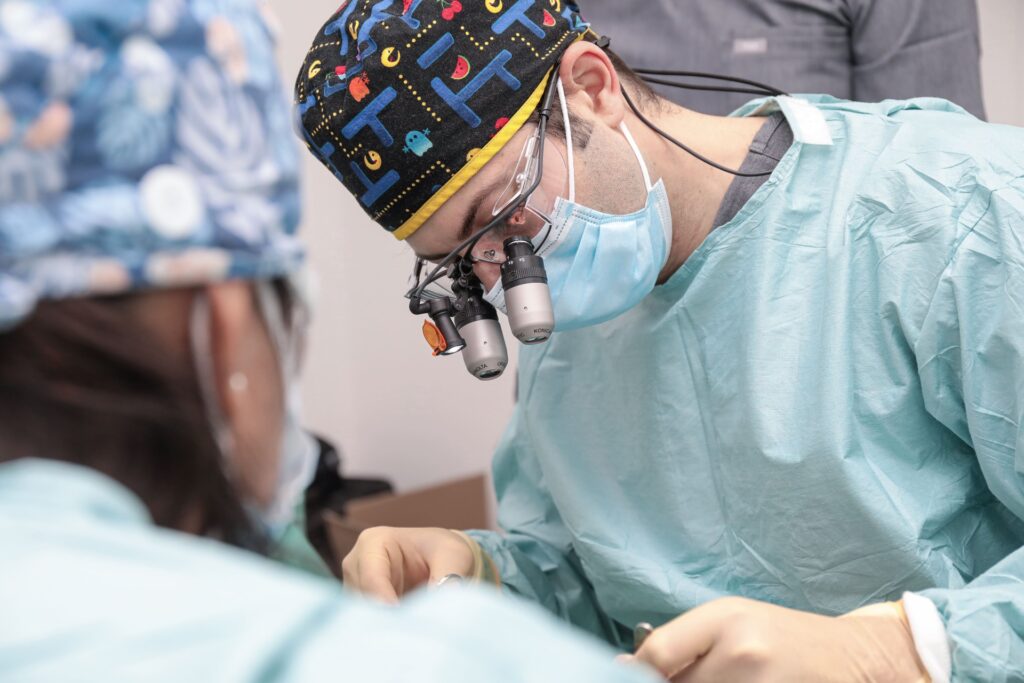
What happens during an oral biopsy?
- First, I examine the area, review your medical history and medicines, and photograph the lesion if useful for comparison later.
- Then I numb the area with local anaesthetic. You stay awake and should feel only pressure.
- Next, I remove the tissue sample with fine instruments. This usually takes a few minutes.
- Finally, I close the site, usually with dissolvable stitches, and send the sample to the laboratory.
The whole appointment is usually short, and most people return to normal activities the same day.
Is an oral biopsy painful and how long does healing take?
The local anaesthetic means the biopsy itself should not hurt. Once it wears off, the area is sore for a few days, much like a small ulcer. In most cases, over-the-counter pain relief, as advised, is enough. In addition, eating soft, cool food, avoiding spicy or very hot dishes for a couple of days, and rinsing gently with warm salt water from the next day all help. Most biopsy sites heal within one to two weeks.
Overall, risks are low but include bleeding, infection, swelling and, depending on the site, temporary numbness or altered sensation nearby. For this reason, I discuss any site-specific risks with you beforehand.
How long do biopsy results take?
At the laboratory, a pathologist processes and examines the sample. Results commonly take around two weeks. However, timing varies with the laboratory and with any extra tests. I arrange a follow-up to go through the report in person, check that the area has healed and agree any next steps. When a result needs further care, such as ongoing monitoring or treatment by another team, I explain the plan clearly and arrange the onward referral.
If the clinical appearance raises any concern for cancer, the right course in the UK is a prompt referral to a hospital oral and maxillofacial or head and neck team through the urgent pathway. My background in NHS oral and maxillofacial surgery units means I know these pathways well.
Arranging a biopsy in London
I carry out oral and gum biopsies at EB Dental in Worcester Park and Kentish Town. You can book directly, or your dentist can refer you through the referral page. A biopsy is often part of a wider gum assessment. Also, when I remove a cyst near wisdom teeth, I send it for examination. Clinic details are on the where I practise page.
Frequently asked questions
Does a biopsy mean I might have cancer?
Not necessarily. Most biopsies from the mouth show conditions that are not cancer, such as inflammation, a benign lump or a skin condition like lichen planus. A biopsy is recommended because it is the only way to know for certain what an area is, so that the right treatment, or simple reassurance, can follow.
How long does an oral biopsy take?
The biopsy itself usually takes a few minutes once the area is numb. Including the discussion beforehand, the local anaesthetic and the aftercare advice, most appointments are short, and the majority of patients return to their normal routine the same day.
Will I have stitches after a biopsy?
Usually, yes. Most oral biopsy sites are closed with dissolvable stitches, which fall out on their own over one to two weeks. Keeping the area clean with gentle warm salt water rinses, starting the day after the biopsy, helps it heal comfortably.
When will I get my biopsy results?
Results commonly take around two weeks, although the time varies between laboratories and when additional tests are needed. Your surgeon will arrange a follow-up appointment to explain the report in person, check that the area has healed and discuss any further steps, including monitoring or onward referral if required.
Can I eat normally after an oral biopsy?
You can eat once the numbness has worn off, which avoids biting your lip, cheek or tongue. For the first two or three days, soft and cool foods are more comfortable, and it is sensible to avoid spicy, crunchy or very hot dishes that could irritate the area.
Related treatments
All treatments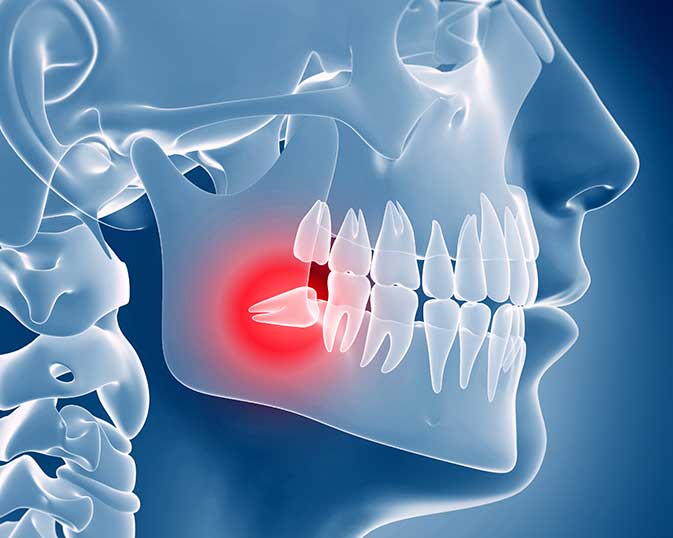 Wisdom teeth removal
When a wisdom tooth needs to come out, what the surgery involves and how to recover well. Read more
Wisdom teeth removal
When a wisdom tooth needs to come out, what the surgery involves and how to recover well. Read more
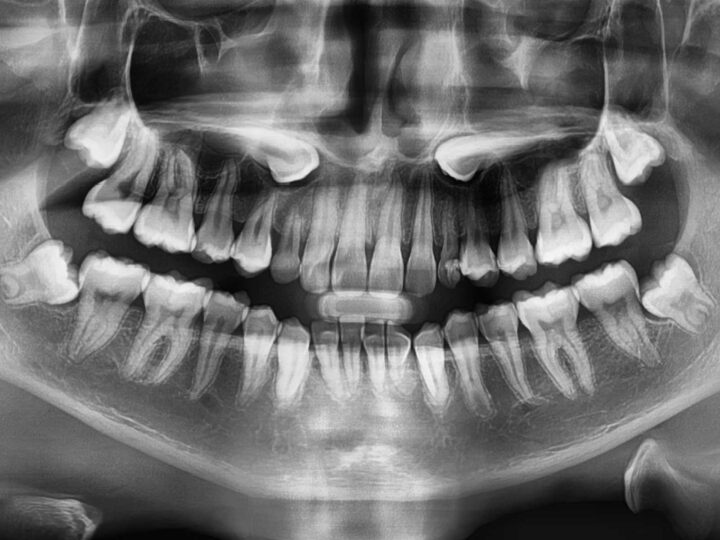 Impacted canines
Surgical exposure of buried eye teeth, planned together with your orthodontist, and removal when it is the better option. Read more
Impacted canines
Surgical exposure of buried eye teeth, planned together with your orthodontist, and removal when it is the better option. Read more
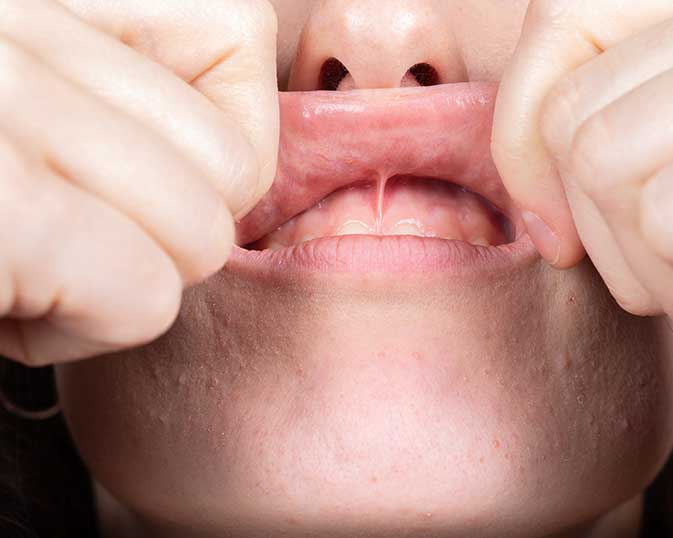 Frenectomy
Releasing a tight lip or tongue frenum when it affects the gums, the teeth, speech or movement. Read more
Frenectomy
Releasing a tight lip or tongue frenum when it affects the gums, the teeth, speech or movement. Read more
Next step
Talk it through before you decide
Send me a short message about what is going on. You will get an honest answer on whether surgery is the right step, and what the options are.