

Periodontal surgery
Gum surgery and periodontal assessment
A full check of gum health, and surgery for gum disease, recession and the soft tissue around implants.
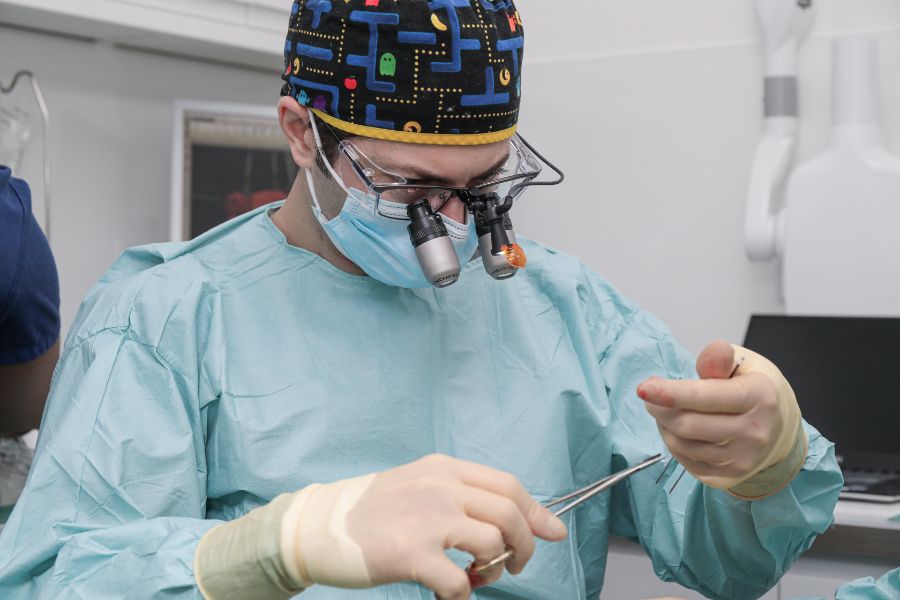
What is periodontal disease?
Gum surgery is one part of treating gum disease, and it is rarely the first step. Periodontal disease, or gum disease, is inflammation of the tissues that hold the teeth in place. It starts as gingivitis, where the gums are red and bleed when brushed. If it progresses to periodontitis, the gum and bone around the teeth slowly break down. Pockets then form between the gum and the tooth, and teeth can become loose. Periodontitis is common and often painless, so many people miss it until it reaches an advanced stage.
Gum health matters for every treatment I provide. Healthy gums and bone are the foundation for both natural teeth and dental implants.
What causes gum disease?
Bacterial plaque causes gum disease when it builds up along and below the gum line. The way each person’s immune system responds to it also plays a part. However, some people are far more susceptible than others. The main factors that increase the risk are:
- smoking, which also hides bleeding and so masks the disease
- diabetes, particularly when blood sugar control is poor
- a family history of gum disease or early tooth loss
- stress and some medicines that affect the gums
- crowded teeth or old restorations that are hard to clean around
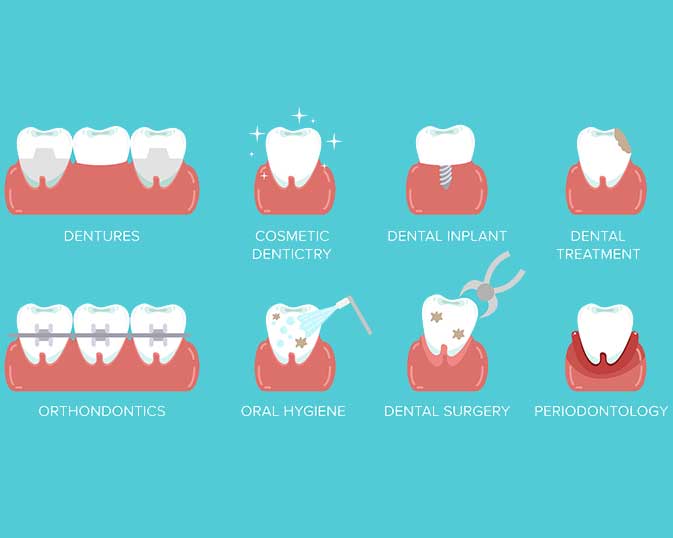
What happens at a periodontal assessment?
A periodontal assessment measures the health of the gums and supporting bone around each tooth. It usually includes:
- a review of your medical history, smoking and conditions such as diabetes that affect gum health
- a basic periodontal examination (BPE), a quick screening score for each part of the mouth
- where needed, full charting: pocket depths, bleeding, gum recession and tooth mobility at several points on every tooth
- X-rays to show the level of bone around the teeth
With these findings, I can stage and grade the disease using the classification of the British Society of Periodontology. This tells us how severe the disease is and how quickly it is likely to progress. That information then shapes the treatment plan.
Is gum surgery always necessary?
No. Most gum disease is first treated without surgery. UK guidance follows a step-by-step approach:
- Home care and risk factors. Effective brushing and cleaning between the teeth, stopping smoking and good control of conditions such as diabetes.
- Professional deep cleaning. Removal of plaque and tartar from the root surfaces below the gum line, often by a dentist or hygienist.
- Re-assessment. After a few months, the dentist measures the pockets again to see how the gums have responded.
- Surgery where needed. Only areas that stay deep or unstable then go on to surgical treatment.
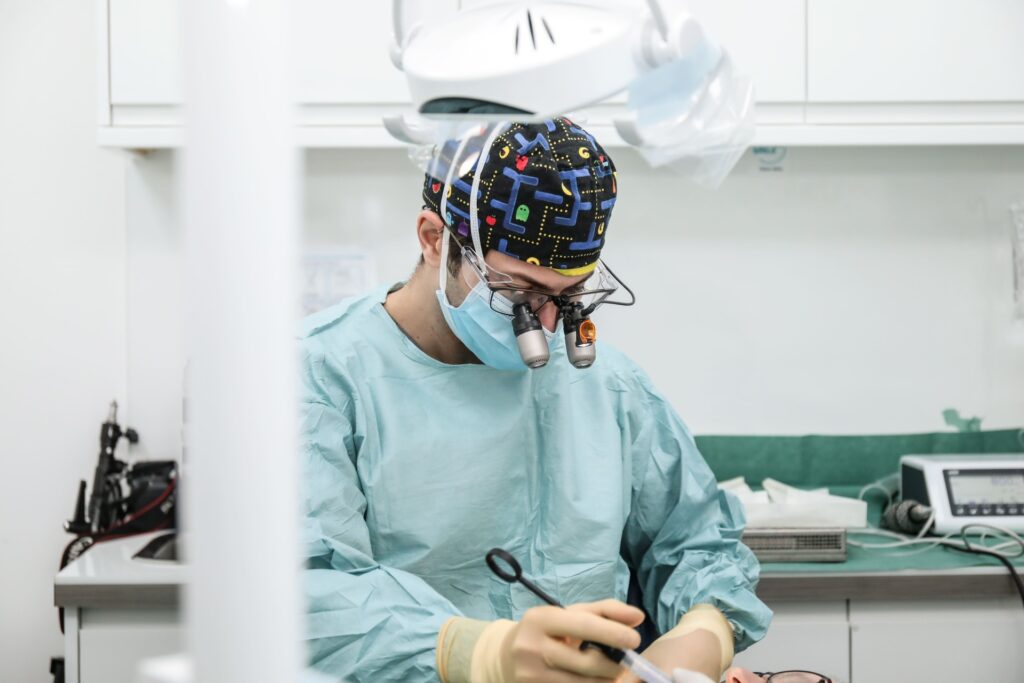
What types of gum surgery are there?
| Procedure | Purpose |
|---|---|
| Access flap surgery | I lift the gum to clean deep root surfaces under direct vision, then reposition it to reduce pocket depth. |
| Guided tissue regeneration (GTR) | I place membranes and graft materials in suitable bone defects to help the lost support around a tooth regrow. |
| Soft tissue grafting | I use gum tissue, often from the palate, to cover exposed roots or thicken thin gum. |
| Crown lengthening | I reshape the gum, and sometimes the bone, to expose more tooth for a restoration. |
| Frenectomy | I release a tight frenum that pulls on the gum edge. See frenectomy. |
Bone regeneration for implants uses related techniques, which I explain on the bone grafting page.
How does gum health affect dental implants?
People who have lost teeth to periodontitis can be good candidates for implants, but their risk of problems around implants is higher. For that reason I always assess gum health before planning implant surgery. I also ask that you treat and stabilise any active gum disease first.
Also, implants can develop their own form of gum disease. Peri-implant mucositis is inflammation of the soft tissue only and is reversible with good cleaning. Peri-implantitis also involves loss of bone around the implant and is harder to treat. As a result, it may need surgical cleaning and, in some cases, regeneration.
The gum around an implant also matters. A band of firm, attached gum makes cleaning more comfortable and helps protect the implant. Where it is lacking, I can place a soft tissue graft before, during or after implant treatment.
What is recovery like after gum surgery?
I carry out gum surgery under local anaesthetic. Afterwards there is tenderness and some swelling for a few days. In addition, a palate donor site can be sore for a week or so. For a short time, avoid brushing the treated area and use a mouthwash instead. Then I review the stitches at around one to two weeks.
Risks include pain, bleeding, swelling, infection, sensitivity of exposed roots and some gum shrinkage as healing completes. In the long term, success depends heavily on daily cleaning and regular maintenance with your dentist or hygienist.
Periodontal care in London
I provide periodontal assessment and gum surgery at EB Dental in Worcester Park and Kentish Town, often as part of implant planning. Dentists can refer patients through the referral page.
Frequently asked questions
What are the signs of gum disease?
Common signs include gums that bleed when you brush, red or swollen gums, persistent bad breath, gums shrinking back from the teeth, sensitivity and teeth that feel loose or have moved. Gum disease is often painless, so regular checks with a dentist, including a basic periodontal examination, are the best way to catch it early.
Is gum surgery painful?
Gum surgery is carried out under local anaesthetic, so it should not be painful during the procedure. Afterwards the area is tender for a few days and there may be some swelling. If tissue has been taken from the palate for a graft, that area can be sore for around a week. Pain relief as advised keeps most people comfortable.
Can I have dental implants if I have had gum disease?
Often, yes. Many people who lost teeth to gum disease have implants successfully. Their risk of inflammation and bone loss around implants is higher, though, so active gum disease needs to be treated and stable before implant surgery, followed by regular maintenance afterwards.
What is peri-implantitis?
Peri-implantitis is inflammation around a dental implant that has led to loss of the supporting bone. It is similar to gum disease around natural teeth. Early inflammation of the gum only, called peri-implant mucositis, can be reversed with cleaning. Established peri-implantitis may need surgical treatment, and good daily cleaning helps prevent it.
Can receding gums grow back?
Gums do not grow back by themselves. Where recession causes sensitivity, concern about appearance or is getting worse, a soft tissue graft can cover the exposed root or thicken thin gum. Whether this is suitable depends on the amount of bone and gum between the teeth, which is checked at a periodontal assessment.
Related treatments
All treatments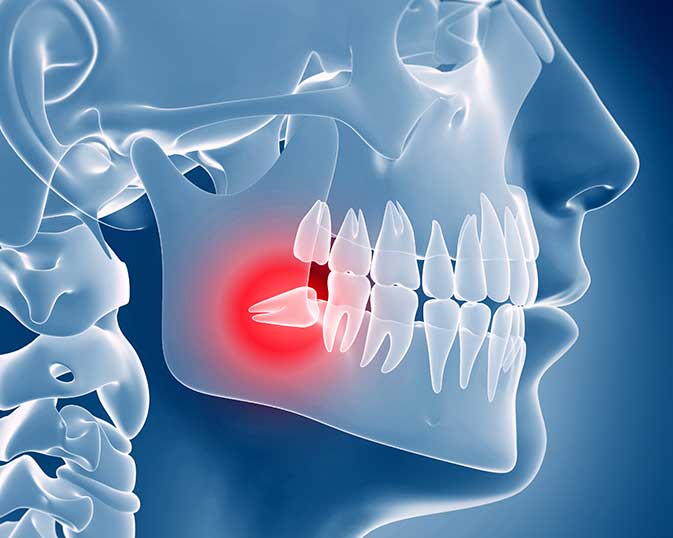 Wisdom teeth removal
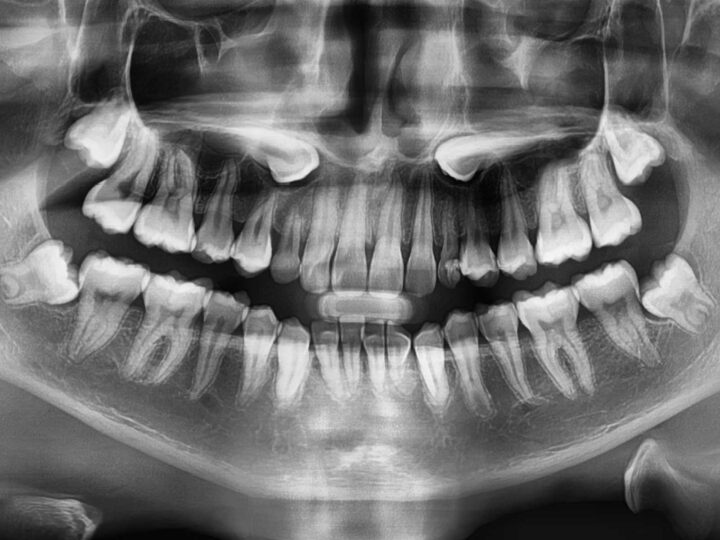
When a wisdom tooth needs to come out, what the surgery involves and how to recover well. Read more
Wisdom teeth removal
When a wisdom tooth needs to come out, what the surgery involves and how to recover well. Read more
 Impacted canines
Surgical exposure of buried eye teeth, planned together with your orthodontist, and removal when it is the better option. Read more
Impacted canines
Surgical exposure of buried eye teeth, planned together with your orthodontist, and removal when it is the better option. Read more
 Oral biopsy
A short procedure under local anaesthetic to find out exactly what a lump, patch or ulcer in the mouth is. Read more
Oral biopsy
A short procedure under local anaesthetic to find out exactly what a lump, patch or ulcer in the mouth is. Read more
Next step
Talk it through before you decide
Send me a short message about what is going on. You will get an honest answer on whether surgery is the right step, and what the options are.