

Oral surgery
Frenectomy
Releasing a tight lip or tongue frenum when it affects the gums, the teeth, speech or movement.
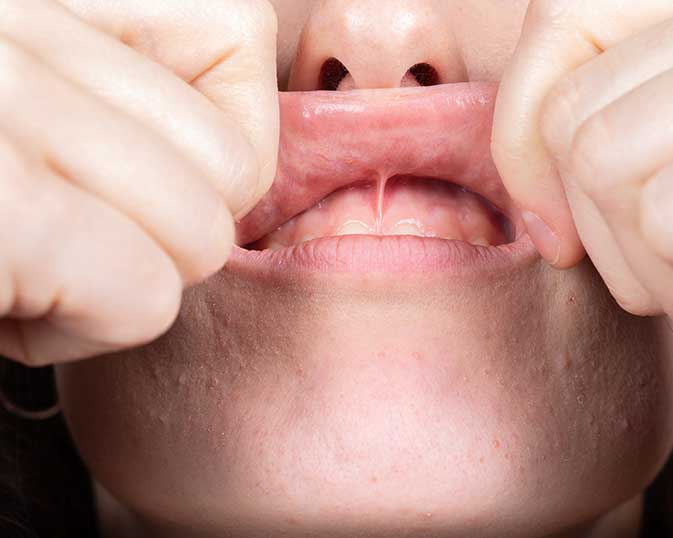
What is a frenum?
A frenectomy is a minor procedure that releases or removes a frenum when it causes problems. A frenum is a fold of soft tissue or muscle connecting the lips, cheek or tongue to the jawbone. Everyone has several. The upper lip frenum sits between the upper front teeth, the lower lip frenum sits between the lower front teeth, and the lingual frenum runs under the tongue.
Occasionally a frenum might be exceptionally short, thick or tight, or may extend too far down along the tongue or the gum. This can cause problems with the teeth and gums, or restrict the movement of the tongue or lips. A frenectomy corrects this.
When do you need a frenectomy?
A frenum only needs treatment when it causes a problem. The common reasons are:
- A gap between the upper front teeth. A thick upper lip frenum can stop a gap (diastema) from closing, or allow it to reopen after orthodontic treatment.
- Gum recession. A frenum attached close to the gum edge can pull on the gum each time the lip moves, encouraging the gum to shrink back.
- Difficulty cleaning. A tight frenum can make brushing awkward, so plaque builds up around the front teeth.
- Tongue-tie. A short lingual frenum can limit tongue movement, affecting speech, eating or comfort.
- Denture problems. A prominent frenum can lift a denture and stop it from sitting securely.
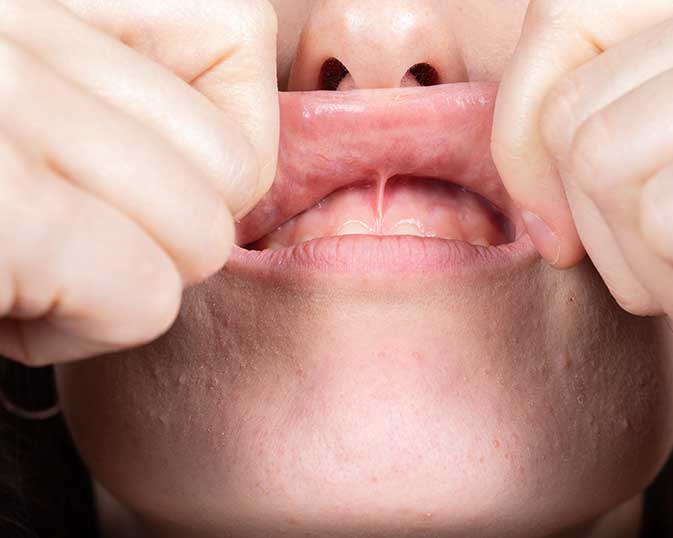
How do I know if my frenum is a problem?
A simple check is to gently pull the upper or lower lip outwards and watch the gum just above or below the front teeth. If the gum edge moves or turns pale as you stretch the lip, the frenum may be pulling on it. For the tongue, the signs are different. You may find it hard to lift the tongue to the roof of the mouth or to poke it out past the lips. Also, the tip may look heart-shaped when you stick it out. However, these signs do not always mean you need treatment. An examination shows whether the frenum is actually causing harm, and whether a frenectomy is the right answer.
Should you have a frenectomy before or after braces?
When the upper lip frenum plays a part in a gap between the front teeth, timing matters. The gap is often normal in young children and may close by itself once the permanent canines come through. For that reason, I usually plan a frenectomy for a diastema together with the orthodontist. In many cases I carry it out once braces have closed the gap, because this helps the gap stay closed. My training includes a master’s diploma in orthodontics, which helps me plan the timing with your orthodontist.

What about tongue-tie in babies?
In newborns, infant feeding specialists usually assess a tongue-tie that affects feeding, and they use a different procedure for babies. The NHS guide to tongue-tie explains how this works. This page describes frenectomy for older children and adults, which I carry out in the dental chair.
What happens during a frenectomy?
- First, at the consultation, I check where the frenum attaches and how it affects the teeth, gums or tongue. Then we agree the aim of treatment.
- On the day, I numb the area with local anaesthetic.
- Next, I release or remove the frenum. Where needed, I reposition it so it no longer pulls on the gum or limits movement.
- Finally, I close the area with fine dissolvable stitches.
The procedure is usually short. In some cases, especially when the gum has already receded, I combine the frenectomy with a gum graft as part of gum surgery.
What is recovery like after a frenectomy?
The area is tender for a few days, similar to a mouth ulcer. Healing usually takes one to two weeks. A few simple steps help:
- take pain relief as advised, ideally before the local anaesthetic wears off
- choose soft, cool food for the first two or three days and avoid spicy or crunchy dishes
- start gentle warm salt water rinses the day after the procedure
- keep brushing the other teeth normally, taking care around the stitches
- avoid smoking, which slows healing
After a tongue-tie release, gentle tongue exercises help prevent the tissue from healing tight again. If the tie has affected speech, a speech and language therapist can help, because the tongue needs time to learn new movements.
What are the risks of a frenectomy?
- Soreness, swelling and minor bleeding in the first days.
- Infection, which is uncommon with good oral hygiene.
- Scar tissue or reattachment of the frenum, which can occasionally need a second procedure.
- Under the tongue, small salivary ducts and blood vessels lie close by, so careful technique is important.
A frenectomy does not close a gap between the teeth by itself. So, where a diastema is the concern, you will usually need orthodontic treatment as well.
Frenectomy in London
I carry out frenectomies at EB Dental in Worcester Park and Kentish Town. You can book directly, or your dentist or orthodontist can refer you through the referral page. For information on other minor oral surgery, see the treatments overview, and for clinic details, visit where I practise.
Frequently asked questions
Is a frenectomy painful?
The procedure is done under local anaesthetic, so it should not hurt at the time. Afterwards the area feels tender for a few days, rather like a mouth ulcer. Regular pain relief as advised by your surgeon, soft food and gentle salt water rinses usually keep patients comfortable while it heals.
How long does a frenectomy take to heal?
Most frenectomy sites heal within one to two weeks. Discomfort is greatest in the first two or three days and then settles. Dissolvable stitches fall out on their own, and your surgeon will check the area at a review appointment.
Will a frenectomy close the gap between my front teeth?
Not on its own. A thick frenum can stop a gap from closing or let it reopen, but the teeth themselves usually need to be moved with braces or aligners. Frenectomy is therefore often timed with orthodontic treatment, typically once the gap has been closed, to help it stay closed.
Can adults have tongue-tie surgery?
Yes. Adults with a tight lingual frenum that limits tongue movement, affects speech or causes discomfort can have it released under local anaesthetic. After the procedure, tongue exercises help prevent reattachment, and some patients benefit from working with a speech and language therapist.
Do I need stitches after a frenectomy?
Usually, yes. Fine dissolvable stitches are placed to help the area heal neatly and comfortably. They fall out by themselves over one to two weeks, so there is normally no need to have them removed. Your surgeon may still arrange a short review to check that the area has healed well.
Related treatments
All treatments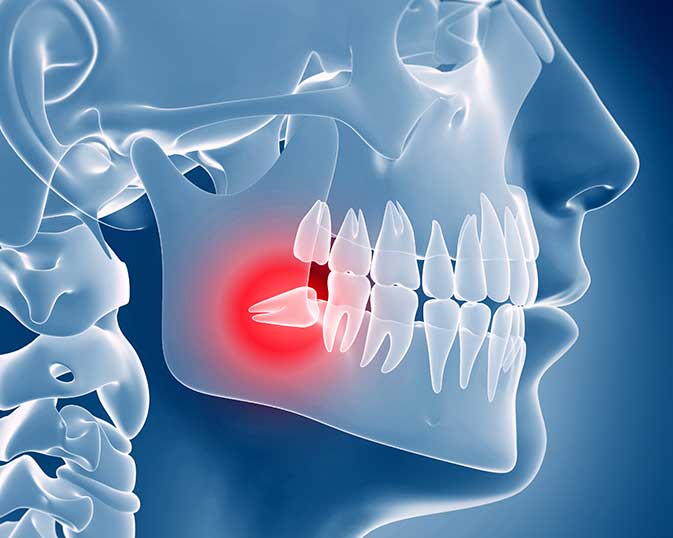 Wisdom teeth removal
When a wisdom tooth needs to come out, what the surgery involves and how to recover well. Read more
Wisdom teeth removal
When a wisdom tooth needs to come out, what the surgery involves and how to recover well. Read more
 Impacted canines
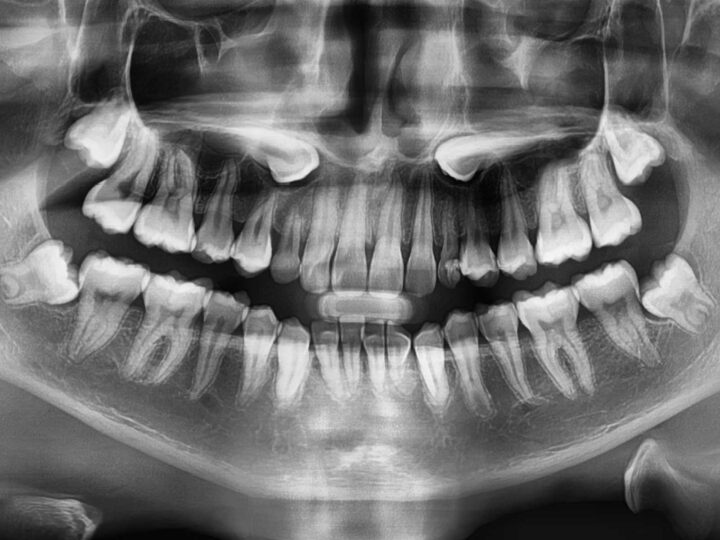
Surgical exposure of buried eye teeth, planned together with your orthodontist, and removal when it is the better option. Read more
Impacted canines
Surgical exposure of buried eye teeth, planned together with your orthodontist, and removal when it is the better option. Read more
 Oral biopsy
A short procedure under local anaesthetic to find out exactly what a lump, patch or ulcer in the mouth is. Read more
Oral biopsy
A short procedure under local anaesthetic to find out exactly what a lump, patch or ulcer in the mouth is. Read more
Next step
Talk it through before you decide
Send me a short message about what is going on. You will get an honest answer on whether surgery is the right step, and what the options are.