

Implant surgery
Immediate implants
Removing a failing tooth and placing the implant in the same appointment, often with a temporary tooth on the day.
What are immediate implants?
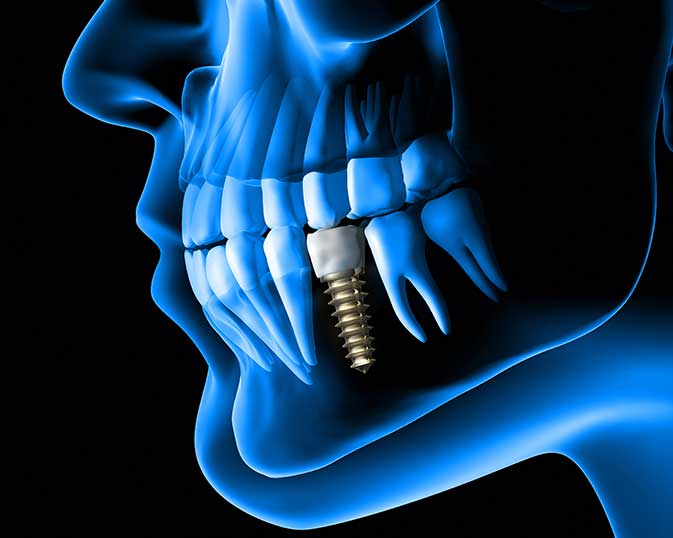
Immediate implants go straight into the socket of a tooth that I have just removed, in the same appointment. In the traditional approach, the socket heals for several months before the implant goes in. Today, extraction followed by immediate placement is a reliable option for many patients, as long as the conditions are right.
A dental implant is a small titanium post that replaces the root of a tooth. Once in place, it bonds with the surrounding jawbone. Unlike a conventional denture or bridge, an integrated implant restores biting and chewing in a way that looks and feels close to a natural tooth. Much like natural teeth, implants last as long as you look after them.
What is the difference between immediate placement and immediate loading?
People often confuse the two terms. Immediate placement describes when the implant goes in. Immediate loading, on the other hand, describes when a tooth goes on it.
| Approach | Implant placed | Tooth fitted |
|---|---|---|
| Conventional (delayed) | After the socket has healed, usually several months | After integration |
| Immediate placement | Same day as the extraction | After integration |
| Immediate placement and loading | Same day as the extraction | A temporary tooth on the same day |
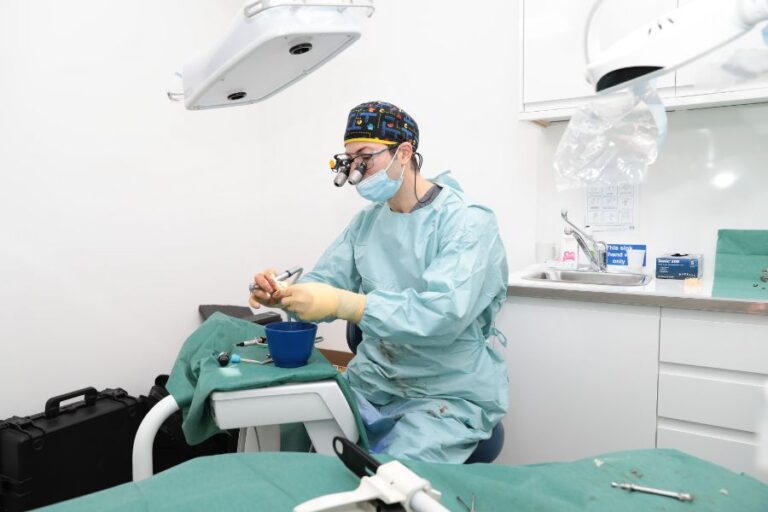
In some cases I can remove a failing tooth, place the implant and fit a temporary crown in a single visit. As a result, you do not wait months with a gap while the bone heals. I shape the temporary tooth so that it avoids the full force of biting while the implant integrates.
Who is suitable for immediate implants?
Immediate placement, and especially immediate loading, does not suit every patient. In general, you need:
- enough healthy bone around and beyond the socket to hold the implant firmly
- socket walls that stay largely intact after the extraction
- no uncontrolled infection at the site
- good general health and healthy gums elsewhere in the mouth
- no habits that slow healing, such as smoking
Immediate implants suit single teeth well, for example after a front tooth breaks in an accident or fractures below the gum. I also use them in full-arch treatment, which the All-on-4 and All-on-6 page describes.
How does Dr Eric Battista plan immediate implants?
Planning starts before the tooth comes out. First, I take a CBCT scan to measure the bone around the root and check the thickness of the outer socket wall. The scan also shows nearby nerves, roots and the sinus. I then combine a digital scan of the teeth with the CBCT in planning software. This way, I can position the implant to support the final crown rather than simply follow the old root.
Immediate implants in the front of the mouth are a particular interest of mine. My published research looked at immediate implants in the upper aesthetic zone, placed with X-Guide dynamic navigation. You can read the study in Applied Sciences. I have also lectured on the use of biomaterials in immediate implant placement. Depending on the case, I transfer the plan to surgery with navigation or with a printed surgical guide.
What happens on the day?
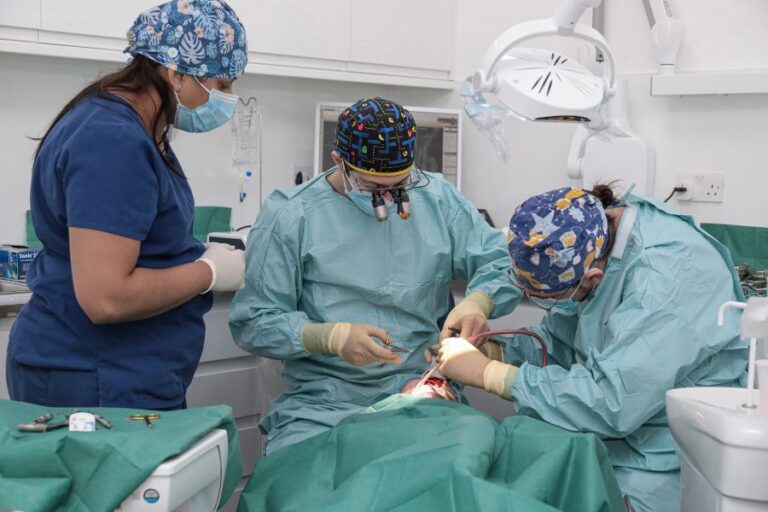
I carry out the procedure under local anaesthetic, and EB Dental also offers sedation for anxious patients. First, I remove the tooth as gently as possible to protect the surrounding bone and gum. Then I clean the socket and place the implant in the planned position. I usually fill any small gap between the implant and the socket wall with a bone substitute.
If the implant feels firm enough, I can fit a temporary crown the same day. If not, I leave it to heal under a cap or under the gum. I make the final decision during surgery, once I can measure how stable the implant is. So it is worth knowing in advance that the plan can change on the day.
What is recovery like after immediate implants?
Discomfort is usually similar to a routine extraction and settles within a few days. For several weeks, you will need to keep to a soft diet and avoid biting on the temporary tooth. Gentle cleaning of the area and any mouthwash I prescribe also help healing. Integration usually takes around three to six months. After that, the dental laboratory makes the definitive crown.
What are the risks and alternatives?
The general risks match those of any implant surgery: pain, swelling, bleeding, infection, nerve or sinus involvement and failure of the implant to integrate. Immediate implants also carry one extra risk. The gum and bone at the front of the socket can remodel over the following months, and in thin gum types this may lead to recession or a visible change in contour.
Correct implant position and graft material in the gap help to reduce that risk. However, immediate placement does not stop the natural remodelling of the socket entirely. If immediate implants do not suit you, the alternatives are early placement a few weeks after extraction, or socket preservation with bone grafting followed by a delayed implant. A bridge or a denture also remain options if you prefer to avoid implant surgery.
Why see a specialist in oral surgery?
Immediate implants combine an extraction and an implant in one procedure. The outcome depends heavily on how the surgeon removes the tooth and where the implant goes. As a specialist in oral surgery with a hospital background, I can manage difficult extractions and change the plan safely if the site turns out unsuitable on the day. You can book a consultation at EB Dental, or your dentist can refer you.
Frequently asked questions
Can I get a tooth removed and an implant placed on the same day?
Often, yes. If the CBCT scan shows enough healthy bone and there is no uncontrolled infection, the implant can be placed straight into the socket after the extraction. Whether a temporary tooth can also be fitted that day depends on how firmly the implant is held, which is confirmed during surgery.
Will I leave without a tooth?
In the front of the mouth the aim is that you do not. When the implant is stable enough, a temporary crown is fitted on the same day. If the implant needs to heal undisturbed, a removable temporary tooth or a bonded temporary can usually be provided so that you do not have a visible gap while it integrates.
Are immediate implants as successful as delayed implants?
Published studies report that immediate implants placed in carefully selected patients can perform similarly to implants placed in healed sites. Selection is the key: enough bone, intact socket walls, good health and no smoking. Aesthetic results in the front of the mouth depend on gum thickness and implant position, which is why careful planning matters.
Can an immediate implant be placed if the tooth is infected?
It depends on the type and extent of the infection. A long-standing infection at the tip of the root does not always rule out immediate placement if the socket can be thoroughly cleaned and enough bone remains. An acute infection with swelling, or significant bone loss, usually means the implant is delayed. Your surgeon will advise after examining the scan.
How long before I get my permanent crown?
The definitive crown is usually fitted around three to six months after the implant is placed, once the bone has integrated with it. During that time a temporary tooth protects the area and helps shape the gum. The exact timing depends on the bone quality and how the gum heals.
Related treatments
All treatments Dental implants
A fixed, natural-looking replacement for one tooth, several teeth or a full arch, planned in 3D from a CBCT scan. Read more
Dental implants
A fixed, natural-looking replacement for one tooth, several teeth or a full arch, planned in 3D from a CBCT scan. Read more
 All-on-4 and All-on-6
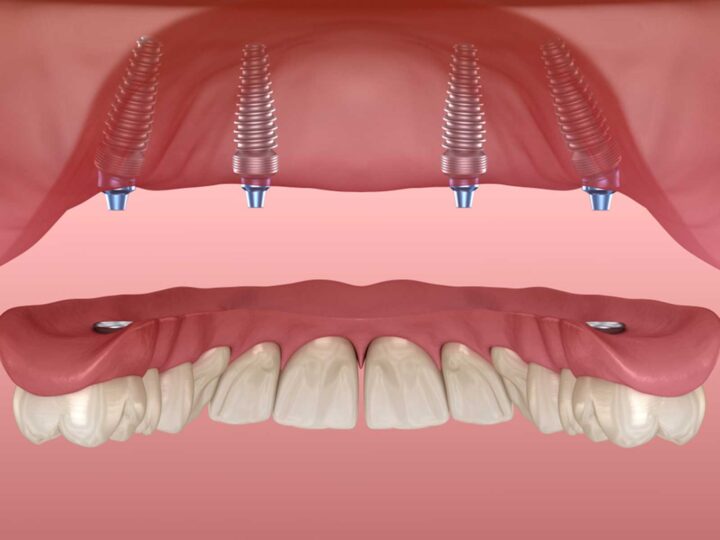
A fixed full-arch bridge on four or six implants, often with temporary teeth fitted on the day of surgery. Read more
All-on-4 and All-on-6
A fixed full-arch bridge on four or six implants, often with temporary teeth fitted on the day of surgery. Read more
 Guided implant surgery
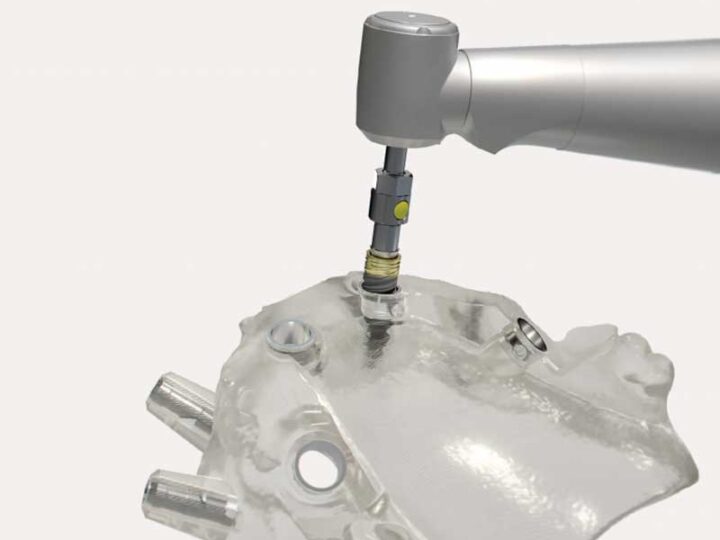
Implants planned in 3D and placed through a custom-made guide for accurate position, angle and depth. Read more
Guided implant surgery
Implants planned in 3D and placed through a custom-made guide for accurate position, angle and depth. Read more
Next step
Talk it through before you decide
Send me a short message about what is going on. You will get an honest answer on whether surgery is the right step, and what the options are.