

Oral surgery and implants
Treatments
Dental implants, bone and sinus surgery, oral surgery and 3D digital planning in London.
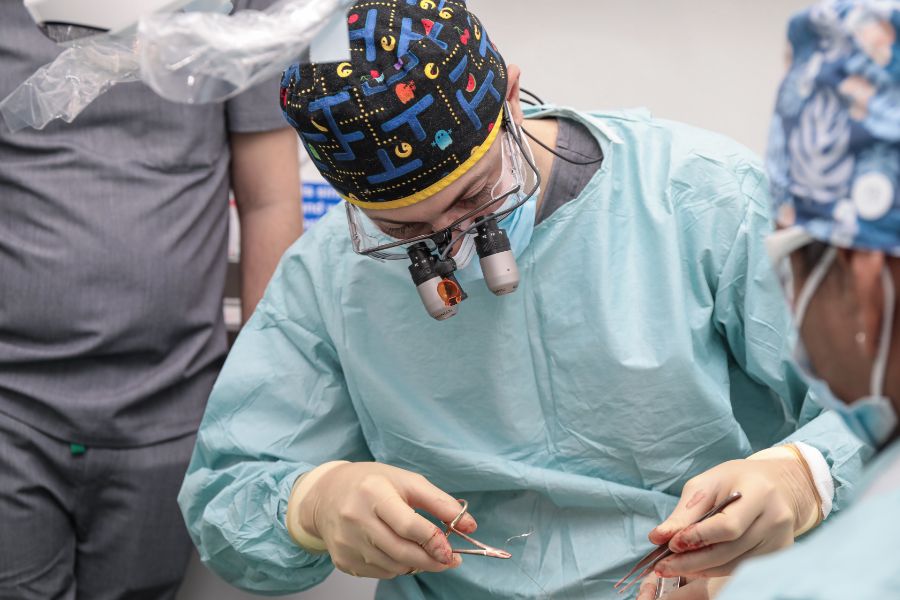
How do I approach oral surgery and implant treatments?
This page gives an overview of the treatments I provide in London, from dental implants to wisdom teeth and gum surgery. I am a dentist on the GDC Specialist List in Oral Surgery. Before founding EB Dental, I worked for several years in NHS oral and maxillofacial surgery units. You can check my registration on the GDC online register, and you can read more about me.
Every treatment starts with a careful assessment. First, I review your medical history and examine your mouth. Then, when it will change the decision, I take a 3D scan. After that, I explain the options, including doing nothing, along with the risks and the recovery. This means you can decide with full information and without pressure.
Many of my patients come through their own dentist, and I keep that dentist informed throughout. Others book directly. I see patients at EB Dental in Worcester Park and Kentish Town, and you can find the details on the where I practise page.
Which dental implant treatments do I offer?
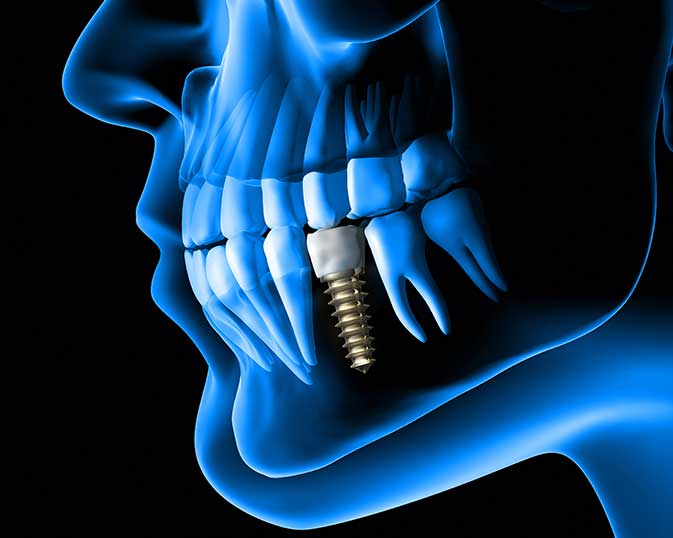
A dental implant replaces the root of a missing tooth. It then supports a crown, a bridge or a full arch of teeth. When a tooth is failing, an immediate implant can sometimes go in on the same day as the extraction. For patients missing most or all of their teeth, All-on-4 and All-on-6 give a fixed full arch on four or six implants.
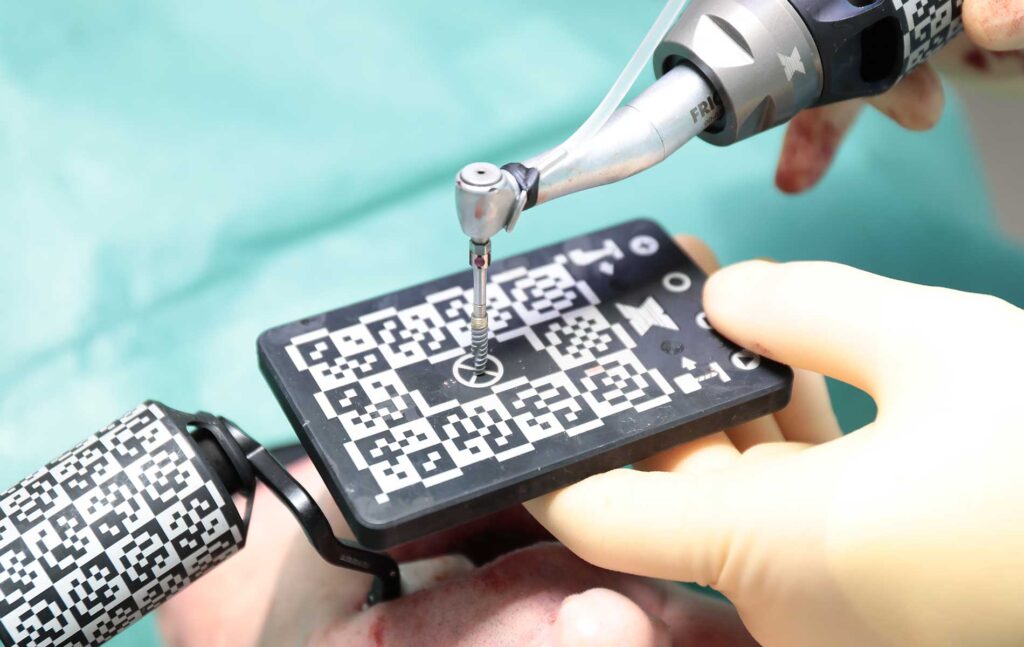
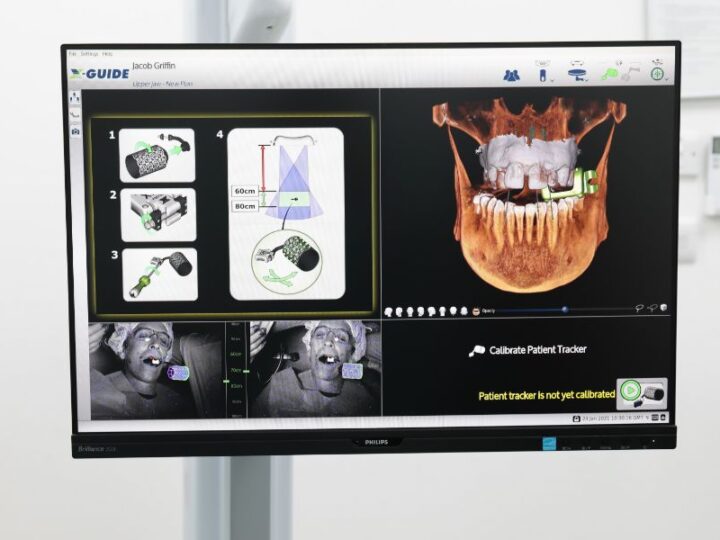
I use the Nobel Biocare implant system. In many cases I also use fully guided surgery, where a printed guide directs the drill. In other cases X-Guide navigated surgery tracks the drill on a screen in real time. I choose between them when they add precision for your case.
Implant treatments suit many adults, but not everyone. For example, heavy smoking, poorly controlled diabetes and untreated gum disease all raise the risk of problems. So I check these points at the first visit, and we deal with them before surgery where possible.
What are bone and sinus treatments for?
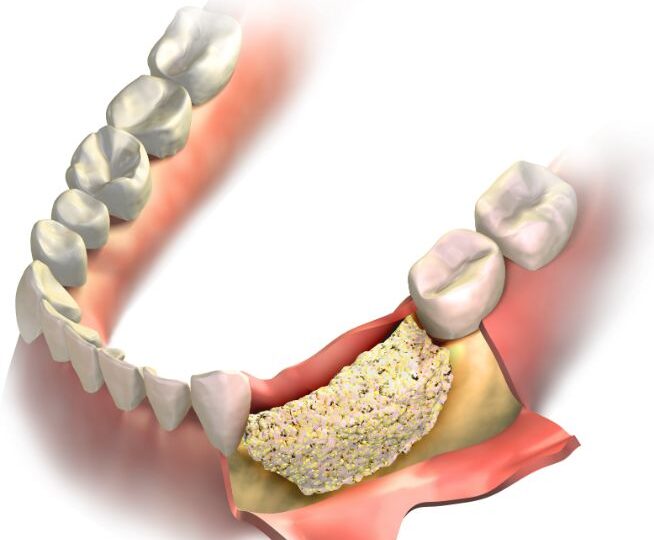
An implant needs enough healthy bone around it. After you lose a tooth, the bone often shrinks over time. When this happens, bone grafting and guided bone regeneration rebuild the ridge. I can do this before implant placement or at the same time, depending on how much bone is missing.
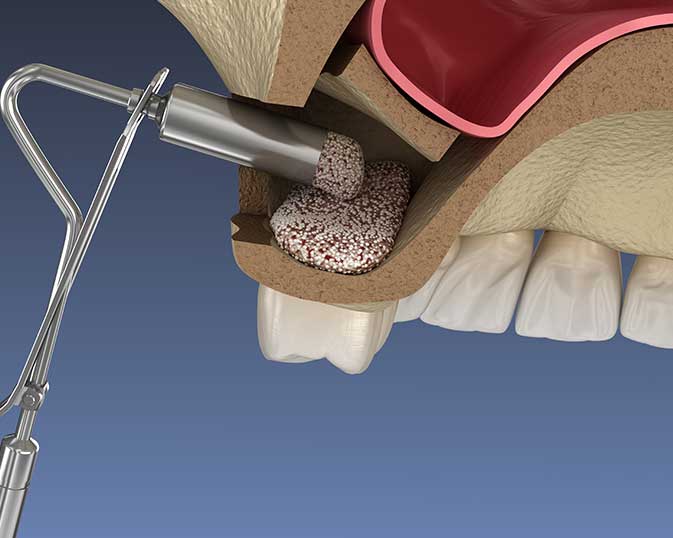
In the upper back jaw, the sinus often sits close to the roots of the teeth. As a result, there may be too little height for an implant. A sinus lift raises the floor of the sinus and adds graft material beneath it. This creates room for the implant. A CBCT scan shows me in advance whether you need either of these treatments.
What does oral surgery involve?
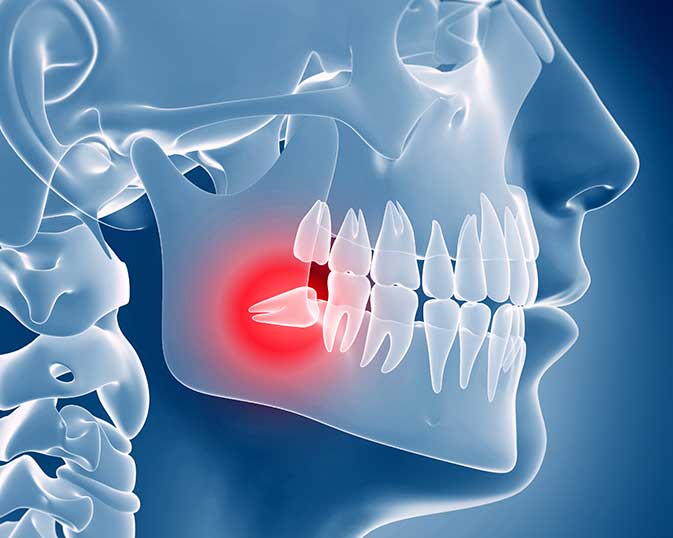
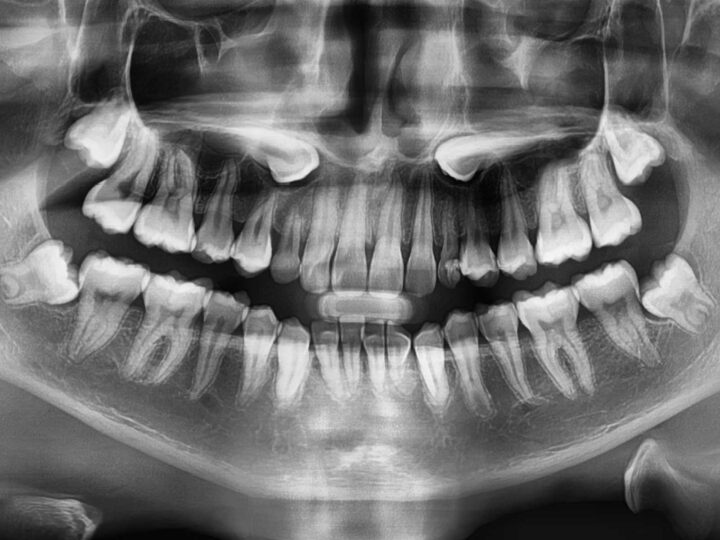
Oral surgery covers procedures on the teeth, gums and soft tissues of the mouth. I remove wisdom teeth when they cause problems, in line with NICE guidance. However, I do not remove healthy wisdom teeth simply as a precaution. I also work with your orthodontist to expose or remove impacted canines.
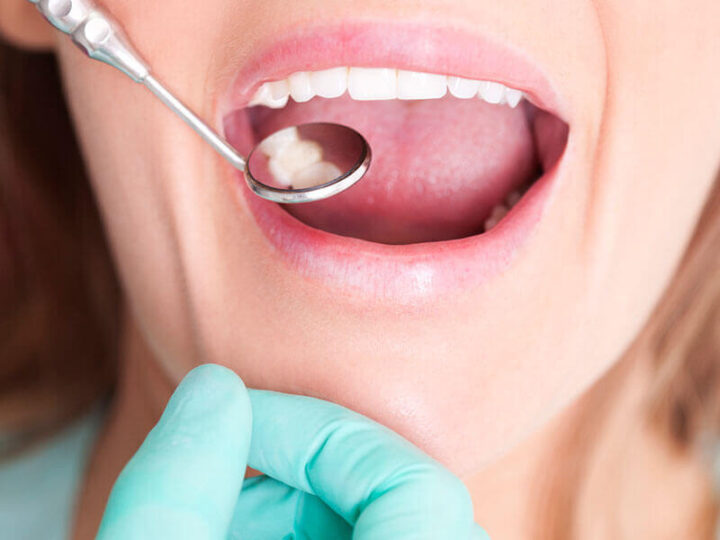
Other oral surgery treatments help with diagnosis and comfort. For example, an oral biopsy finds out what a lump, patch or ulcer really is. A frenectomy releases a tight lip or tongue frenum. Finally, a periodontal assessment and gum surgery treat gum disease and recession around teeth and implants.
Most of these treatments take place under local anaesthetic, so you stay awake while the area is numb. For anxious patients, we can discuss sedation, and I will advise whether it suits you.
How does digital planning help?
Digital dentistry runs through all of my work. CBCT scans show the jaw in three dimensions. Intraoral scanners replace putty impressions with a quick, comfortable scan. Planning software then lets me design the surgery on screen before the day. During guided or navigated surgery, the same plan steers the drill.
Digital planning also helps you understand your case. I often show patients their own scan at the consultation. In this way you can see the bone, the nerve and the sinus, and why I recommend one option over another.
How do you choose the right treatment?
The right choice depends on your health, your goals and the condition of your mouth. There is rarely a single correct answer. Instead, there is usually a range of options, each with its own benefits, risks and recovery time. My role is to set these out clearly, so that you can weigh them up.
A few questions help most patients decide:
- What happens if I leave things as they are?
- How long will treatment take from start to finish?
- What are the main risks, and how likely are they?
- How much time will I need off work?
- How will I look after the result in the long term?
For example, you can leave a gap, fill it with a denture or bridge, or replace the tooth with an implant. Each option suits different people. So I explain the trade-offs honestly and give you time to think before you decide.
Your own dentist is also a valuable source of advice, because they know your history. With your consent, I share my findings with them. Together we then agree a plan that fits you.
How can you book or refer a patient for treatments?
You can book a consultation directly at EB Dental in Worcester Park or Kentish Town. Alternatively, your dentist can refer you through the referral page. After treatment, I send a report back to the referring dentist. If you are not sure which treatments you need, a consultation is the right place to start.
Dental implants
 Dental implants
A fixed, natural-looking replacement for one tooth, several teeth or a full arch, planned in 3D from a CBCT scan. Read more
Dental implants
A fixed, natural-looking replacement for one tooth, several teeth or a full arch, planned in 3D from a CBCT scan. Read more
 Immediate implants
Removing a failing tooth and placing the implant in the same appointment, often with a temporary tooth on the day. Read more
Immediate implants
Removing a failing tooth and placing the implant in the same appointment, often with a temporary tooth on the day. Read more
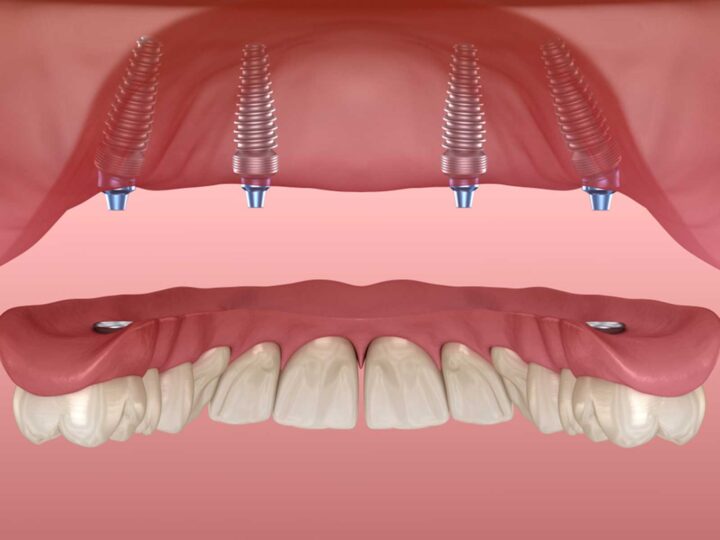 All-on-4 and All-on-6
A fixed full-arch bridge on four or six implants, often with temporary teeth fitted on the day of surgery. Read more
All-on-4 and All-on-6
A fixed full-arch bridge on four or six implants, often with temporary teeth fitted on the day of surgery. Read more
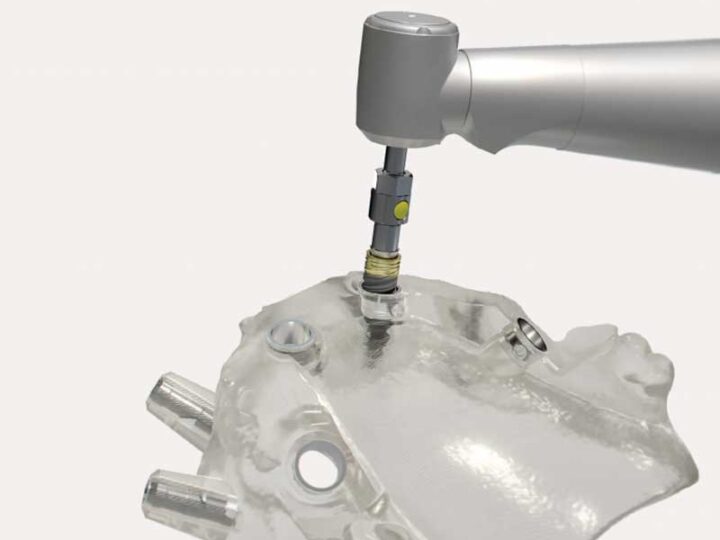 Guided implant surgery
Implants planned in 3D and placed through a custom-made guide for accurate position, angle and depth. Read more
Guided implant surgery
Implants planned in 3D and placed through a custom-made guide for accurate position, angle and depth. Read more
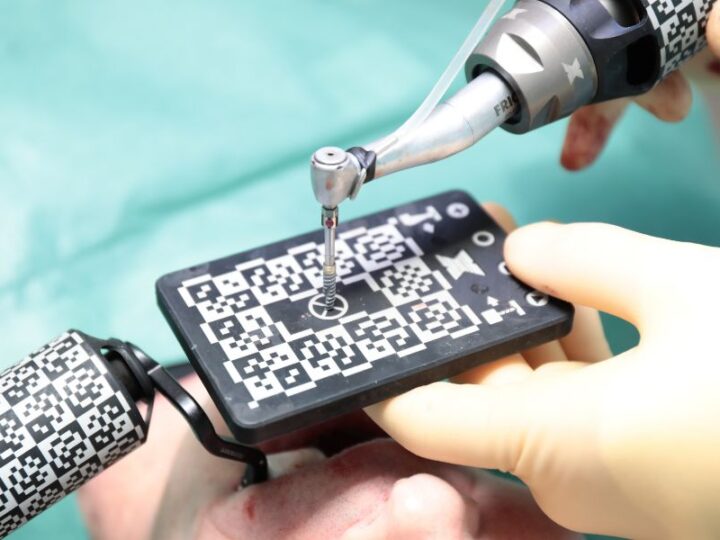 X-Guide navigated implant surgery
Real-time 3D navigation that guides every movement of the drill, like a GPS for implant placement. Read more
X-Guide navigated implant surgery
Real-time 3D navigation that guides every movement of the drill, like a GPS for implant placement. Read more
Bone and sinus
Oral surgery
 Wisdom teeth removal
When a wisdom tooth needs to come out, what the surgery involves and how to recover well. Read more
Wisdom teeth removal
When a wisdom tooth needs to come out, what the surgery involves and how to recover well. Read more
 Impacted canines
Surgical exposure of buried eye teeth, planned together with your orthodontist, and removal when it is the better option. Read more
Impacted canines
Surgical exposure of buried eye teeth, planned together with your orthodontist, and removal when it is the better option. Read more
 Oral biopsy
A short procedure under local anaesthetic to find out exactly what a lump, patch or ulcer in the mouth is. Read more
Oral biopsy
A short procedure under local anaesthetic to find out exactly what a lump, patch or ulcer in the mouth is. Read more
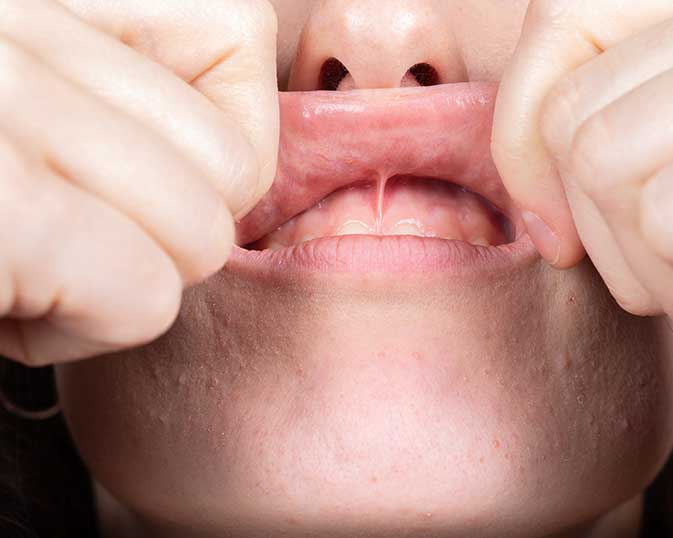 Frenectomy
Releasing a tight lip or tongue frenum when it affects the gums, the teeth, speech or movement. Read more
Frenectomy
Releasing a tight lip or tongue frenum when it affects the gums, the teeth, speech or movement. Read more
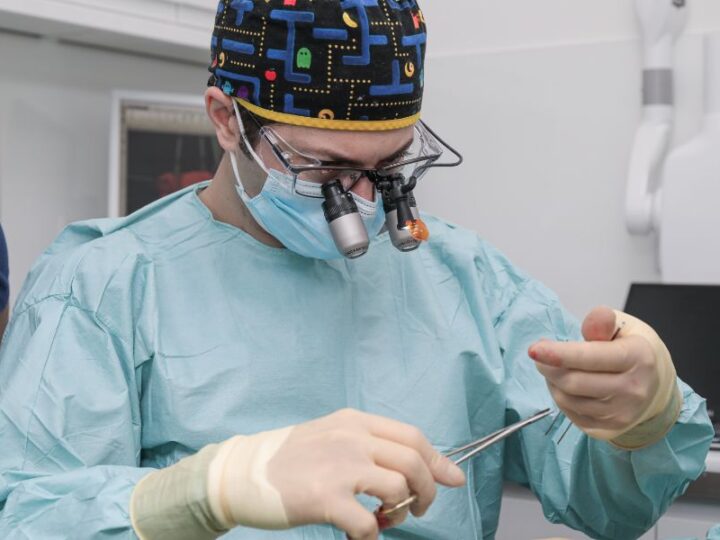 Gum surgery and periodontal assessment
A full check of gum health, and surgery for gum disease, recession and the soft tissue around implants. Read more
Gum surgery and periodontal assessment
A full check of gum health, and surgery for gum disease, recession and the soft tissue around implants. Read more
Digital planning
Frequently asked questions
Do I need a referral to see an oral surgeon?
No. You can book a consultation directly at EB Dental in Worcester Park or Kentish Town. Many patients do come through their own dentist, and dentists can refer using the online referral page. With your consent, I keep your dentist updated and send a report after treatment.
What is a Specialist in Oral Surgery?
In the UK, only dentists who have completed recognised specialist training and are entered on the General Dental Council's Specialist List can call themselves a specialist. Dr Eric Battista is on the GDC Specialist List in Oral Surgery, which covers surgery of the teeth, jaws and soft tissues of the mouth.
What happens at my first consultation?
Your first appointment includes a review of your medical history, an examination and any X-rays or 3D scans needed to plan treatment. Dr Battista explains the options, including the risks, recovery and alternatives, and gives you time to ask questions before deciding anything.
Are oral surgery procedures done under local anaesthetic?
Most procedures, including wisdom tooth removal, biopsies, frenectomy and implant placement, are carried out under local anaesthetic, so the area is numb while you stay awake. For anxious patients or longer procedures, sedation may be discussed, and your surgeon will advise whether it is suitable.
Next step
Talk it through before you decide
Send me a short message about what is going on. You will get an honest answer on whether surgery is the right step, and what the options are.