


Oral surgery and dental implants
Specialist oral surgeon and implant surgeon in London
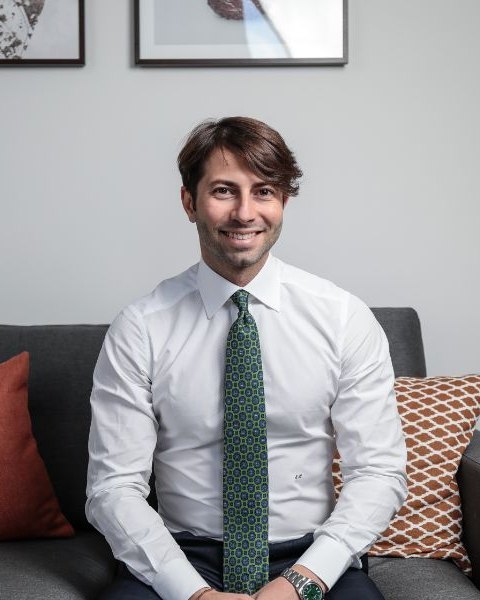
I am Dr Eric Battista, on the GDC Specialist List in Oral Surgery. I plan every implant and oral surgery procedure digitally and explain each step, at EB Dental in Worcester Park and Kentish Town.
Meet Dr Battista
A surgeon who plans first, and explains everything
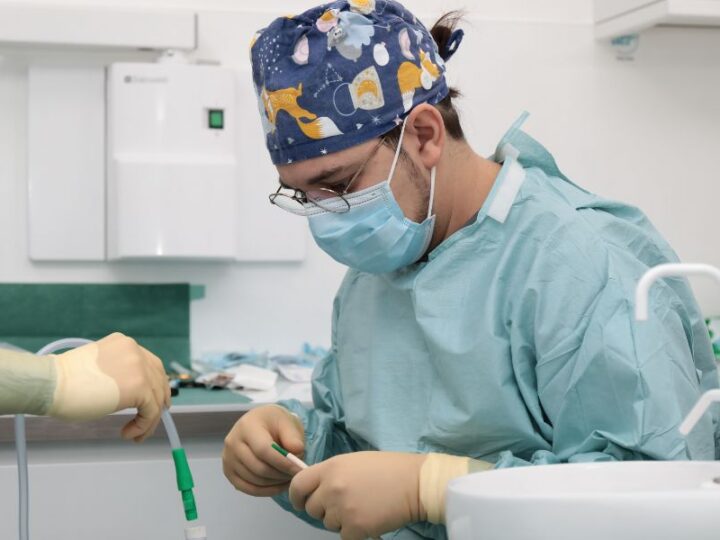
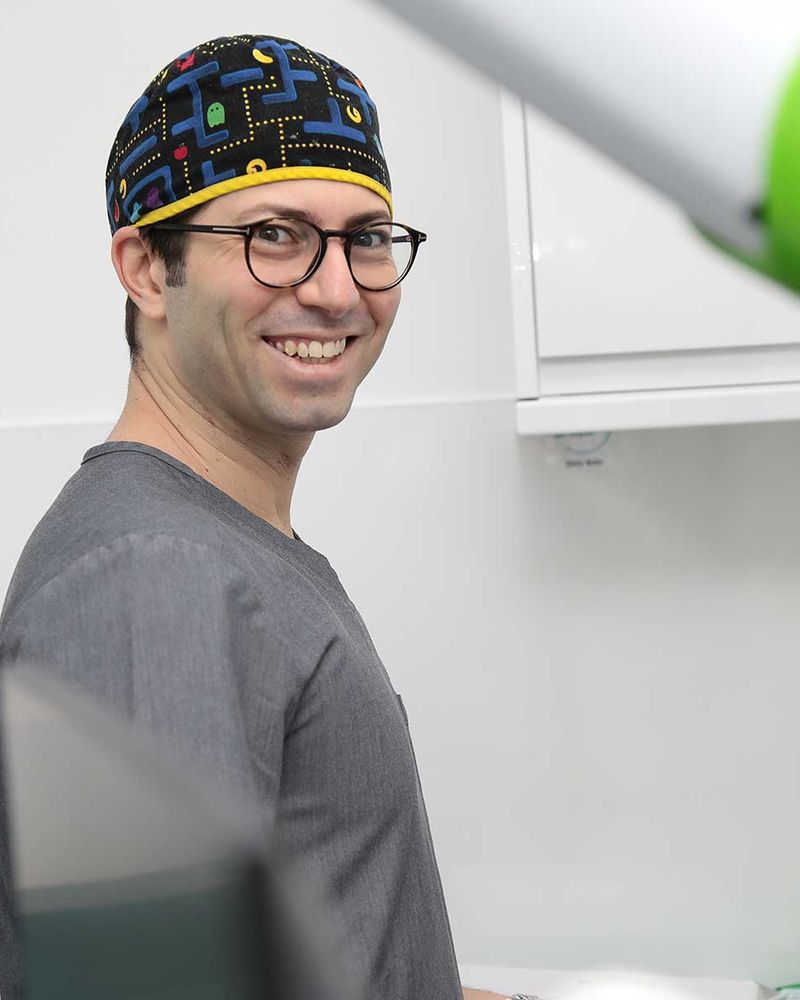
I am Eric Battista, an oral surgeon in London on the GDC Specialist List in Oral Surgery. My training took place in Naples and in NHS hospital maxillofacial departments. Today I treat patients at EB Dental in Worcester Park and Kentish Town.
Most of my patients need dental implants, wisdom teeth removal or bone grafting before implants. Many come to me from their own dentist, and many feel nervous. For this reason, I explain each step in plain words. I also talk honestly about risks and recovery, so you know what to expect before you decide.
Why see a specialist oral surgeon in London?
In the UK, only dentists on the GDC Specialist List can use the title of specialist in oral surgery. I joined the list after NHS hospital posts and three years of full time specialty training. You can check my entry on the General Dental Council register.
A specialist opinion helps when a case is not routine. For example, a wisdom tooth may sit close to a nerve, or a canine may stay buried in the palate. In addition, some patients do not have enough bone for an implant. In these cases, I assess the problem, explain the options and carry out the surgery when it is the right choice. Sometimes the right choice is to wait, and then I say so.
How do I plan each operation?
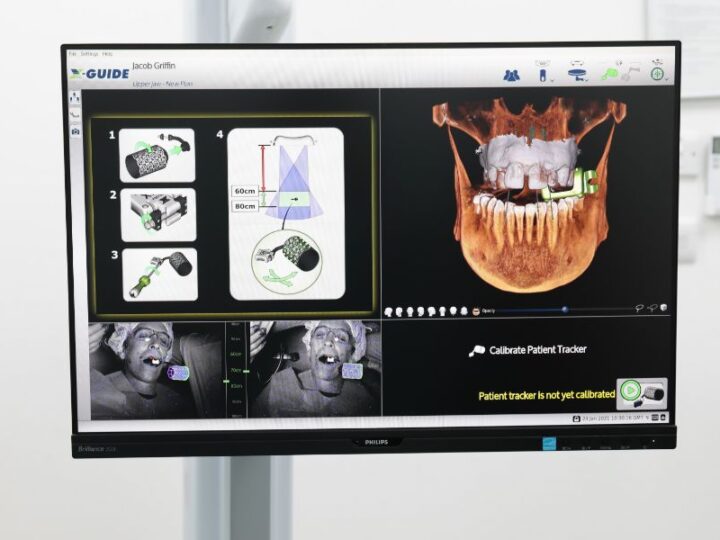
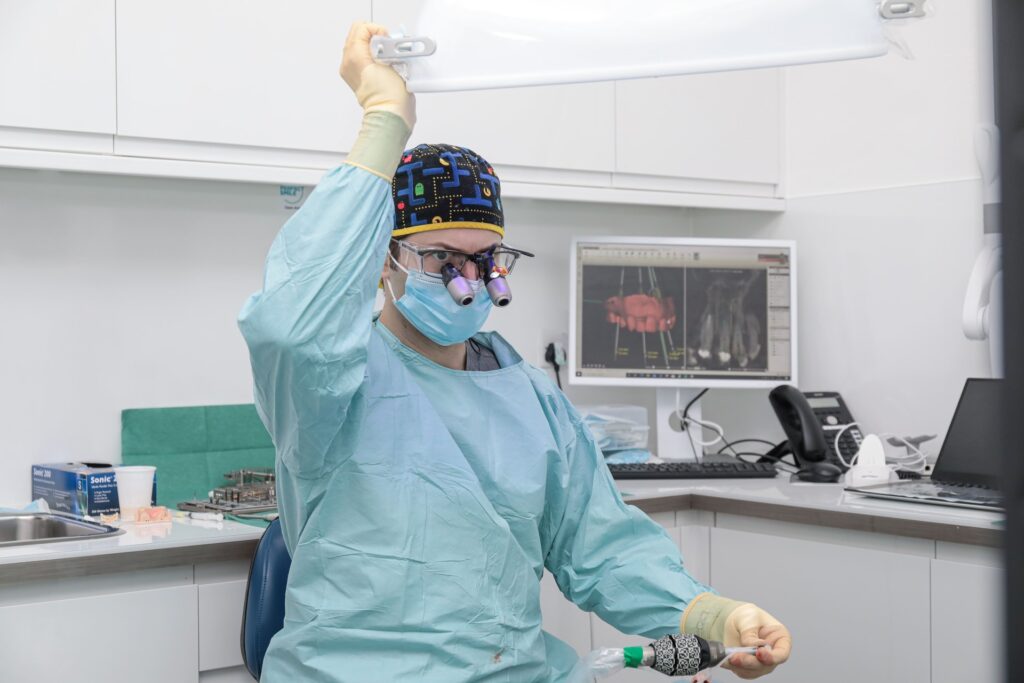
First, I take a CBCT scan, which is a 3D X-ray of the jaw, together with an intraoral scan of the teeth. Then I plan the operation on screen before the day of surgery. As a result, I know the position of nerves, sinuses and bone in advance.
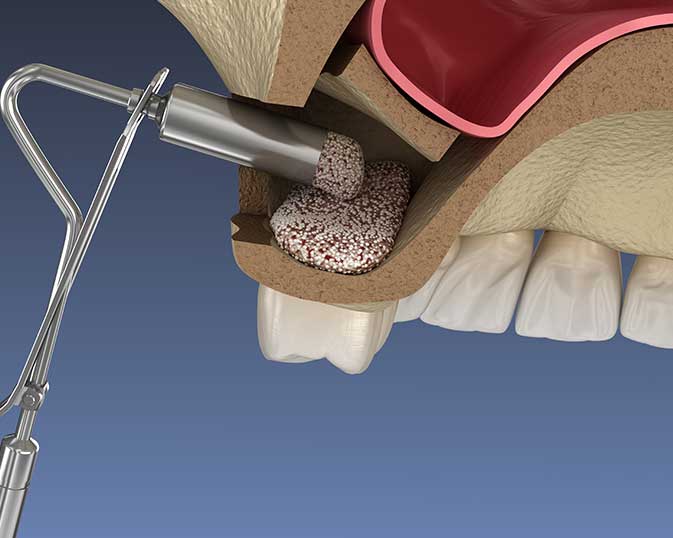
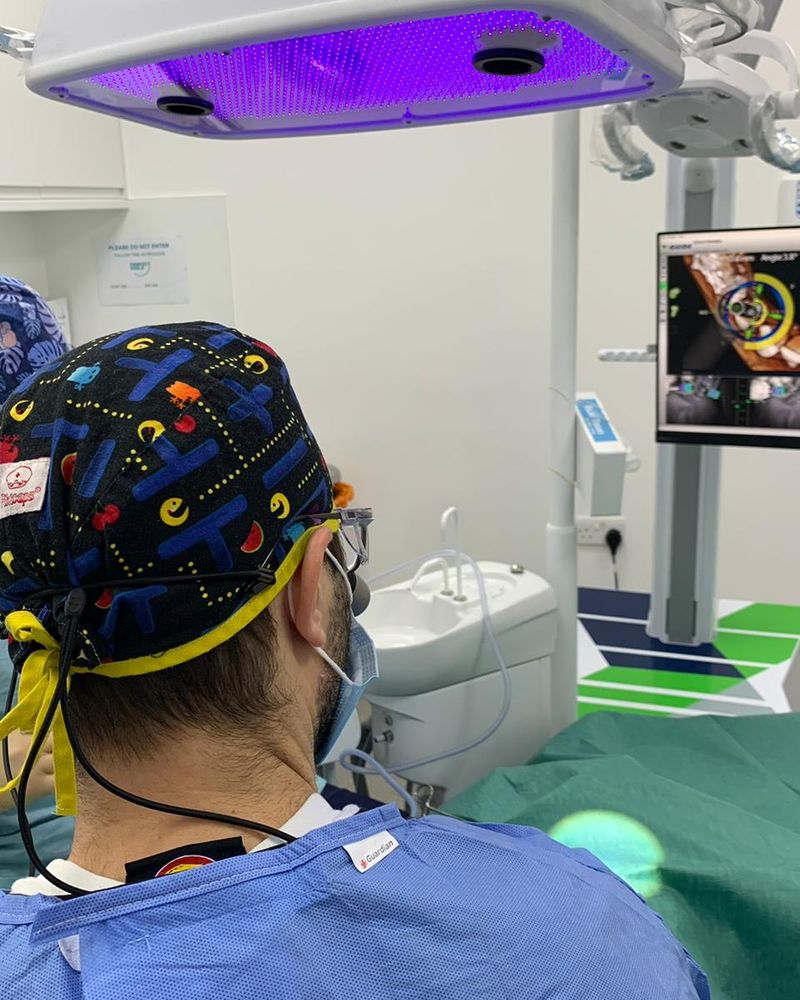
For implants, a printed guide or X-Guide dynamic navigation can then transfer the plan to the mouth. So far I have placed more than 2,000 implants, and my guided implant surgery page explains how the guide works. The same planning also supports a sinus lift when the upper jaw needs more bone.
How do you book with an oral surgeon in London?
You can book a consultation directly, or your dentist can refer you. Dentists usually send their cases through RefClin, the referral platform I founded. After the consultation, you receive a written plan, and your dentist receives a report.
Finally, you can read more about me, see the EB Dental clinics where I practise, or send me a message with your question.
Treatments
What I treat
Implant surgery, bone and sinus procedures and oral surgery, each planned from a 3D scan before the day of treatment.
Dental implants5 treatments
-
 Dental implantsA fixed, natural-looking replacement for one tooth, several teeth or a full arch, planned in 3D from a CBCT scan.
-
 Immediate implantsRemoving a failing tooth and placing the implant in the same appointment, often with a temporary tooth on the day.
-
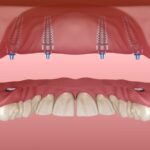 All-on-4 and All-on-6A fixed full-arch bridge on four or six implants, often with temporary teeth fitted on the day of surgery.
-
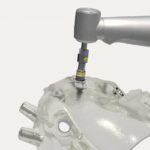 Guided implant surgeryImplants planned in 3D and placed through a custom-made guide for accurate position, angle and depth.
-
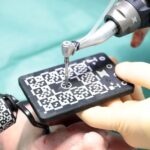 X-Guide navigated implant surgeryReal-time 3D navigation that guides every movement of the drill, like a GPS for implant placement.
Bone and sinus2 treatments
Oral surgery5 treatments
-
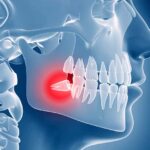 Wisdom teeth removalWhen a wisdom tooth needs to come out, what the surgery involves and how to recover well.
-
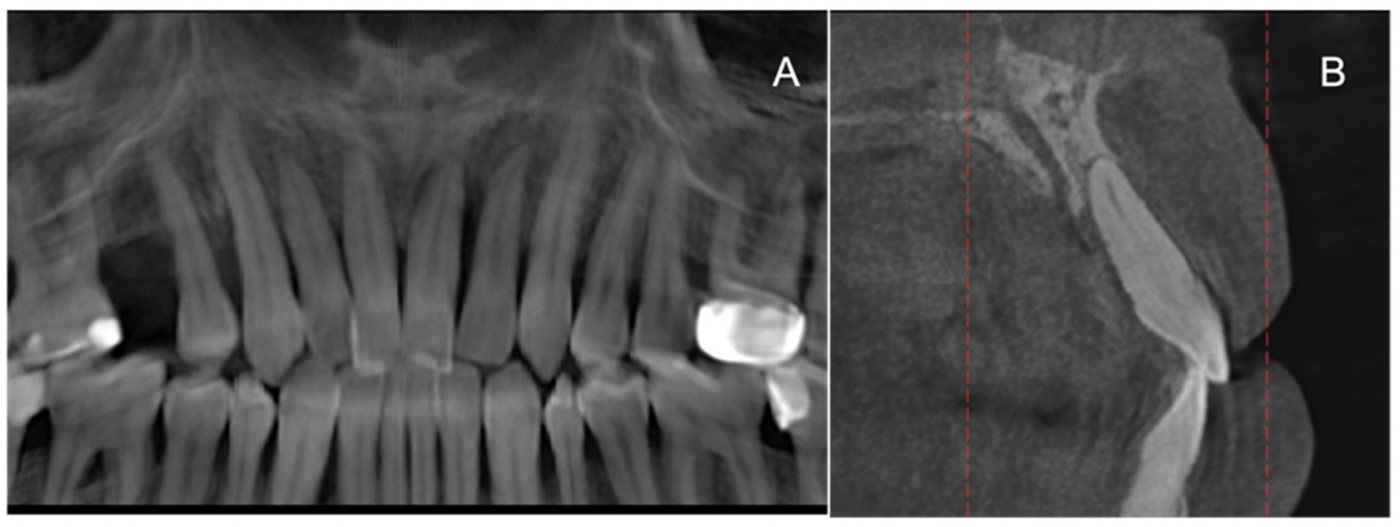
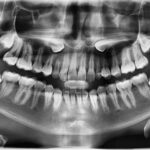 Impacted caninesSurgical exposure of buried eye teeth, planned together with your orthodontist, and removal when it is the better option.
-
 Oral biopsyA short procedure under local anaesthetic to find out exactly what a lump, patch or ulcer in the mouth is.
-
 FrenectomyReleasing a tight lip or tongue frenum when it affects the gums, the teeth, speech or movement.
-
 Gum surgery and periodontal assessmentA full check of gum health, and surgery for gum disease, recession and the soft tissue around implants.
How I work
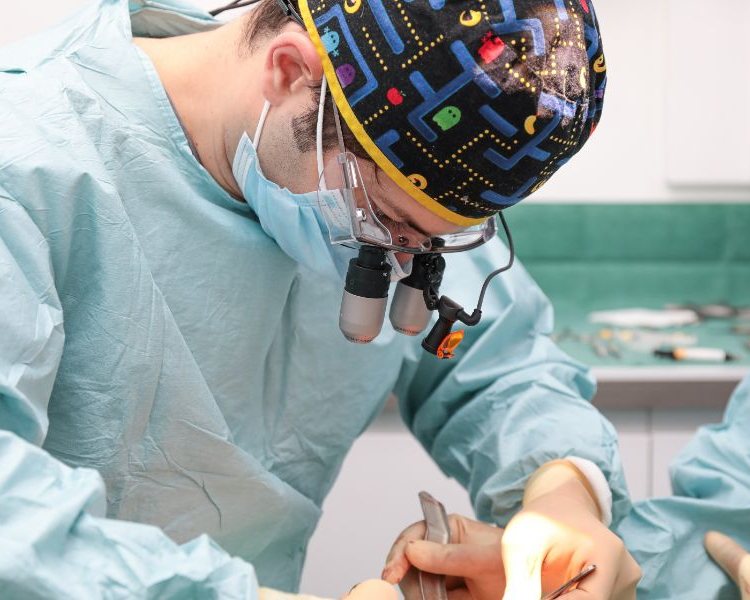
Precision you can see before surgery
-
01
Digital planning
Every procedure is planned on screen from a CBCT scan and an intraoral scan, then carried out with a printed guide or dynamic navigation where it helps.
-
02
GDC specialist in Oral Surgery
On the GDC Specialist List in Oral Surgery since 2022, after NHS hospital maxillofacial posts and three years of full time specialty training.
-
03
Research
Joint first author of a 2022 study on dynamic navigation for immediate implants, published in Applied Sciences, plus surgical case reports and lectures.
-
04
Referrals
Dentists can refer through RefClin. I see the patient, send a report back and return the patient to their own dentist for ongoing care.
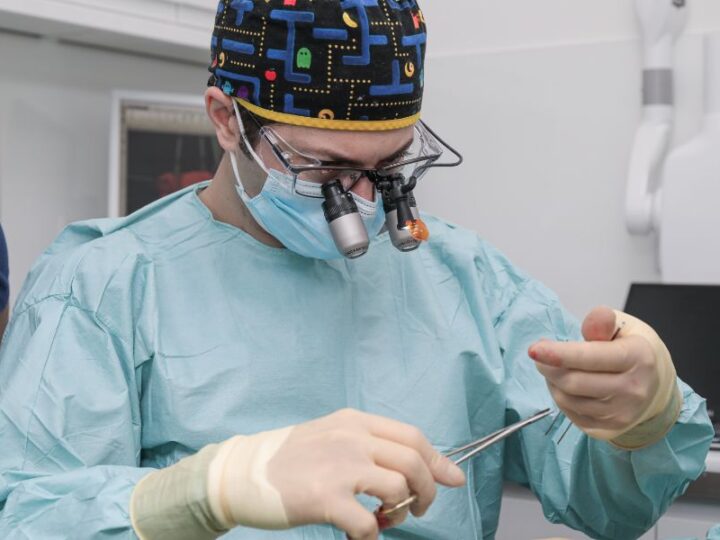
In the surgery
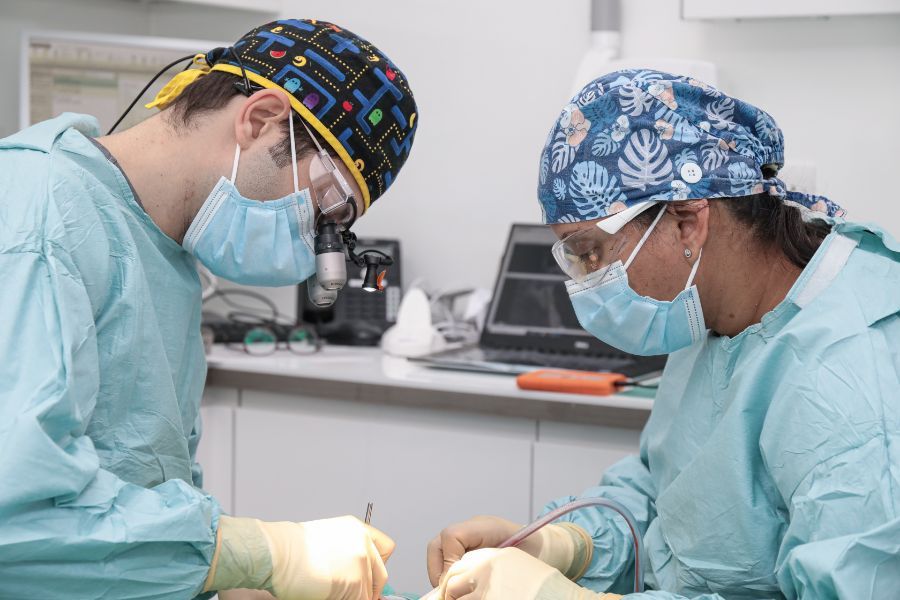
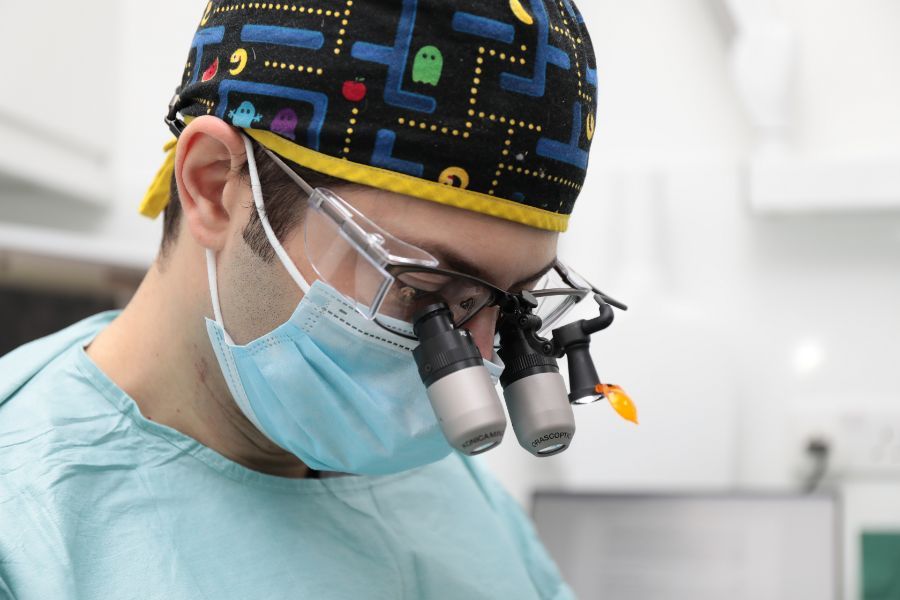
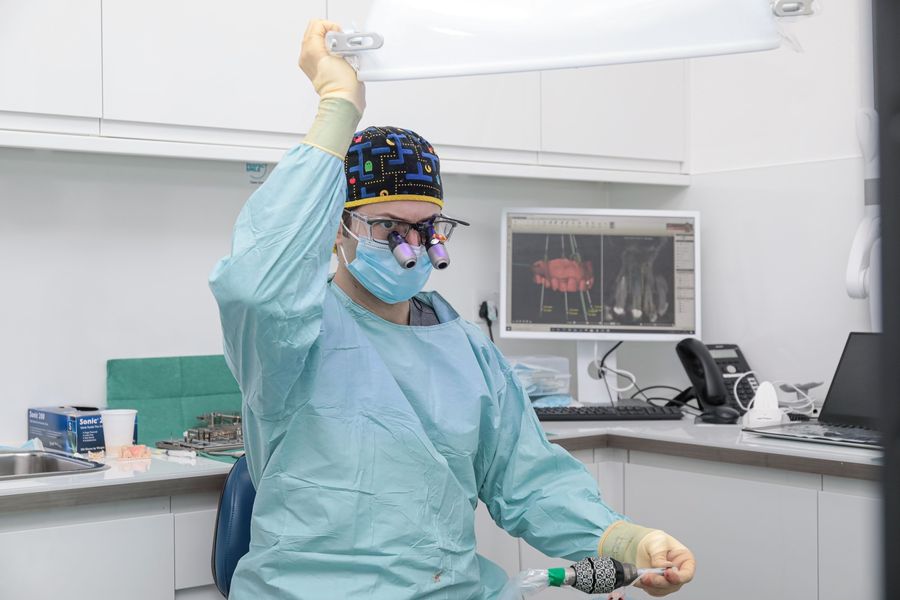
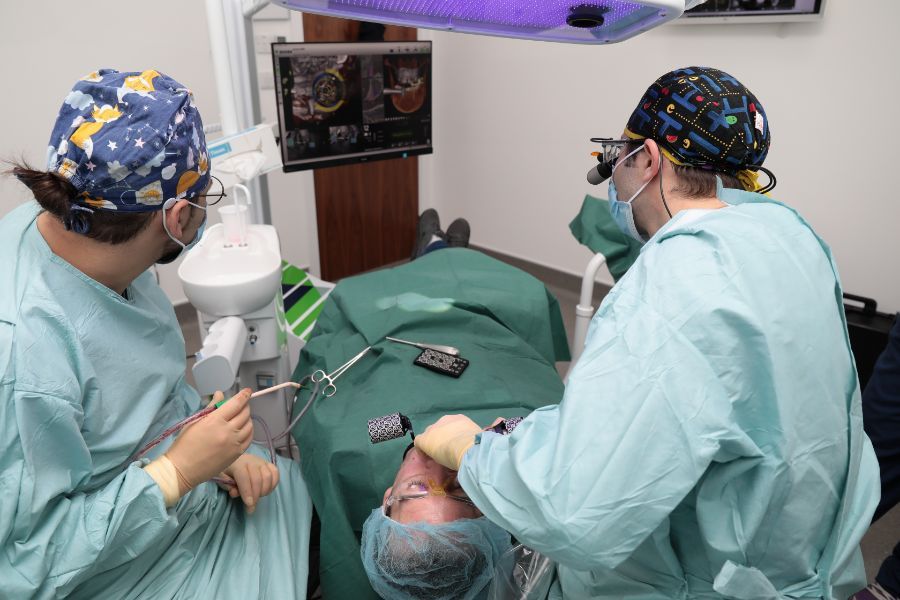
Every procedure, planned and performed in person
Research
Published work on navigated implant surgery
“Dynamic Navigation System for Immediate Implant Placement in the Maxillary Aesthetic Region”
The study measured how closely implants placed with X-Guide dynamic navigation matched the digital plan in the front of the upper jaw, where precision matters most for the final result.
Founder & CEO
RefClin: referrals that never get lost
As a surgeon who receives referrals every week, I saw how often radiographs, medical histories and reports were lost between practices. That is why I founded RefClin, a UK platform for dental referrals, which I lead as CEO. Referring dentists send cases with their scans, follow progress and receive the report, while clinics manage every referral in one place. Dentists can refer a patient to me through RefClin today.

Where I practise
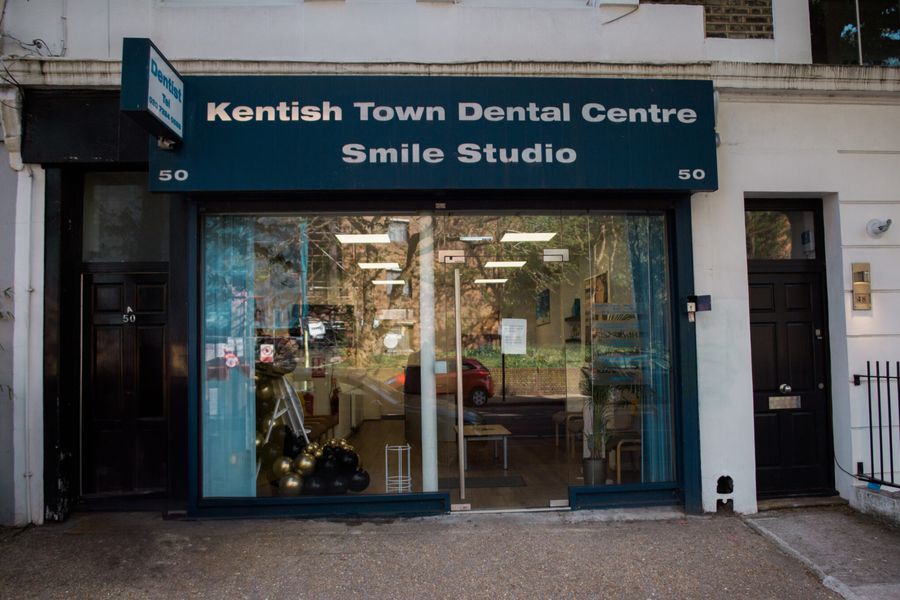
EB Dental, south-west and north London
Opening soon
Islington
A new EB Dental clinic is being prepared in Islington, north London.
Patient guides
Know what to expect
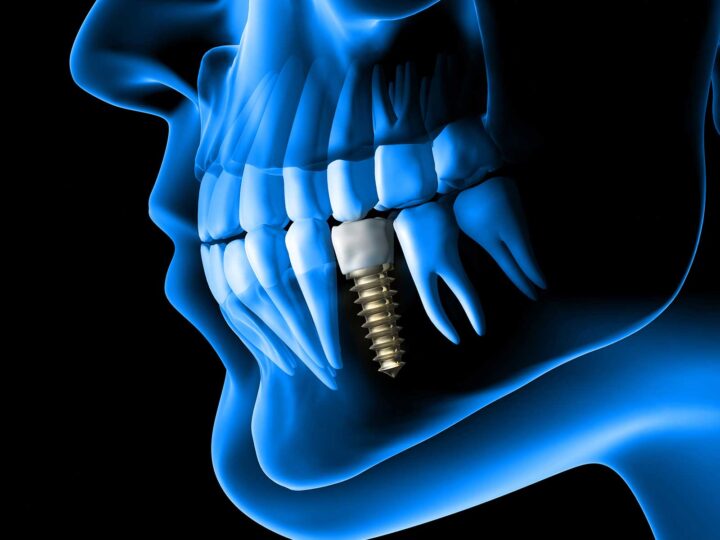 Dental implants How much do dental implants cost in London?
The real factors behind implant pricing in London, and how to compare treatment quotes on a like-for-like basis.
Dental implants How much do dental implants cost in London?
The real factors behind implant pricing in London, and how to compare treatment quotes on a like-for-like basis.
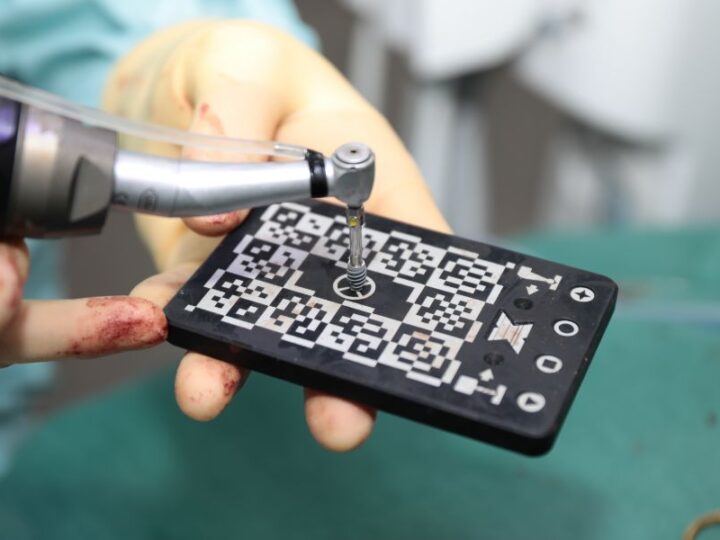 Digital dentistry Guided vs freehand implant surgery: what is the difference?
Static guides, dynamic navigation and freehand placement compared, with the situations where each approach makes sense.
Digital dentistry Guided vs freehand implant surgery: what is the difference?
Static guides, dynamic navigation and freehand placement compared, with the situations where each approach makes sense.
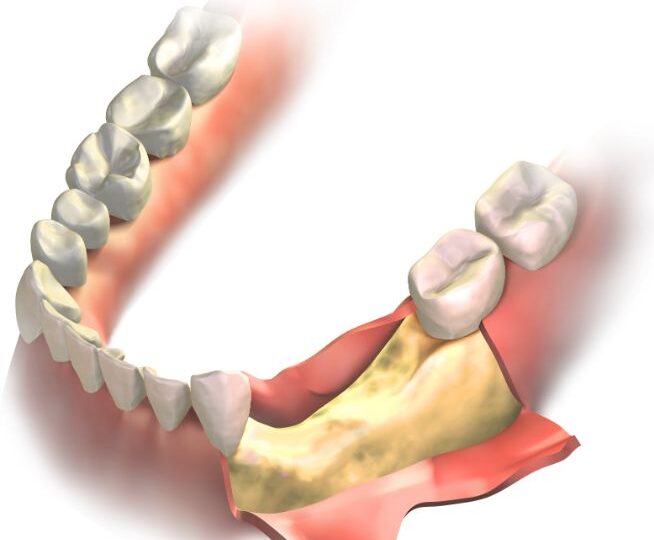 Dental implants Am I a candidate for dental implants?
How bone, gum health, medical history and smoking decide whether dental implants are suitable, and what can improve the odds.
Dental implants Am I a candidate for dental implants?
How bone, gum health, medical history and smoking decide whether dental implants are suitable, and what can improve the odds.
Questions patients ask me
What does an oral surgeon do?
An oral surgeon treats problems of the teeth, jaws and mouth that need surgery, such as impacted wisdom teeth, buried canines, cysts, biopsies and the bone work needed before dental implants. In the UK, the title 'specialist in oral surgery' can only be used by dentists on the GDC Specialist List, like Dr Battista.
Do I need a referral from my dentist?
No. Many patients are referred by their own dentist, but you can also book a consultation with Dr Battista directly through the EB Dental online booking portals for Worcester Park and Kentish Town. If you come without a referral, it helps to bring any recent X-rays and a list of your medicines.
Will oral surgery hurt?
Most oral surgery is carried out under local anaesthetic, so you should feel pressure but not sharp pain during the procedure. Some soreness and swelling afterwards is normal and is usually managed with simple painkillers. Dr Battista explains what to expect beforehand and gives written aftercare instructions for your recovery.
Why does Dr Battista use a CBCT scan?
A CBCT scan is a three dimensional X-ray of the jaw. It shows the height and width of the bone, the position of nerves and sinuses and the shape of impacted teeth more clearly than a standard X-ray. Dr Battista uses it to plan implant positions and surgical access before the operation, when it is clinically justified.
How long does recovery take after oral surgery?
It depends on the procedure. After a simple extraction many people feel back to normal within a few days, while wisdom tooth removal, bone grafting or a sinus lift may need one to two weeks for the swelling to settle. Bone healing continues for longer. Dr Battista will give you a realistic timeline for your case.
Next step
Talk it through before you decide
Send me a short message about what is going on. You will get an honest answer on whether surgery is the right step, and what the options are.