

 Dental implants Am I a candidate for dental implants?
How bone, gum health, medical history and smoking decide whether dental implants are suitable, and what can improve the odds.
Dental implants Am I a candidate for dental implants?
How bone, gum health, medical history and smoking decide whether dental implants are suitable, and what can improve the odds.
Dental implants
How much do dental implants cost in London?
Why do dental implants not have a single cost?
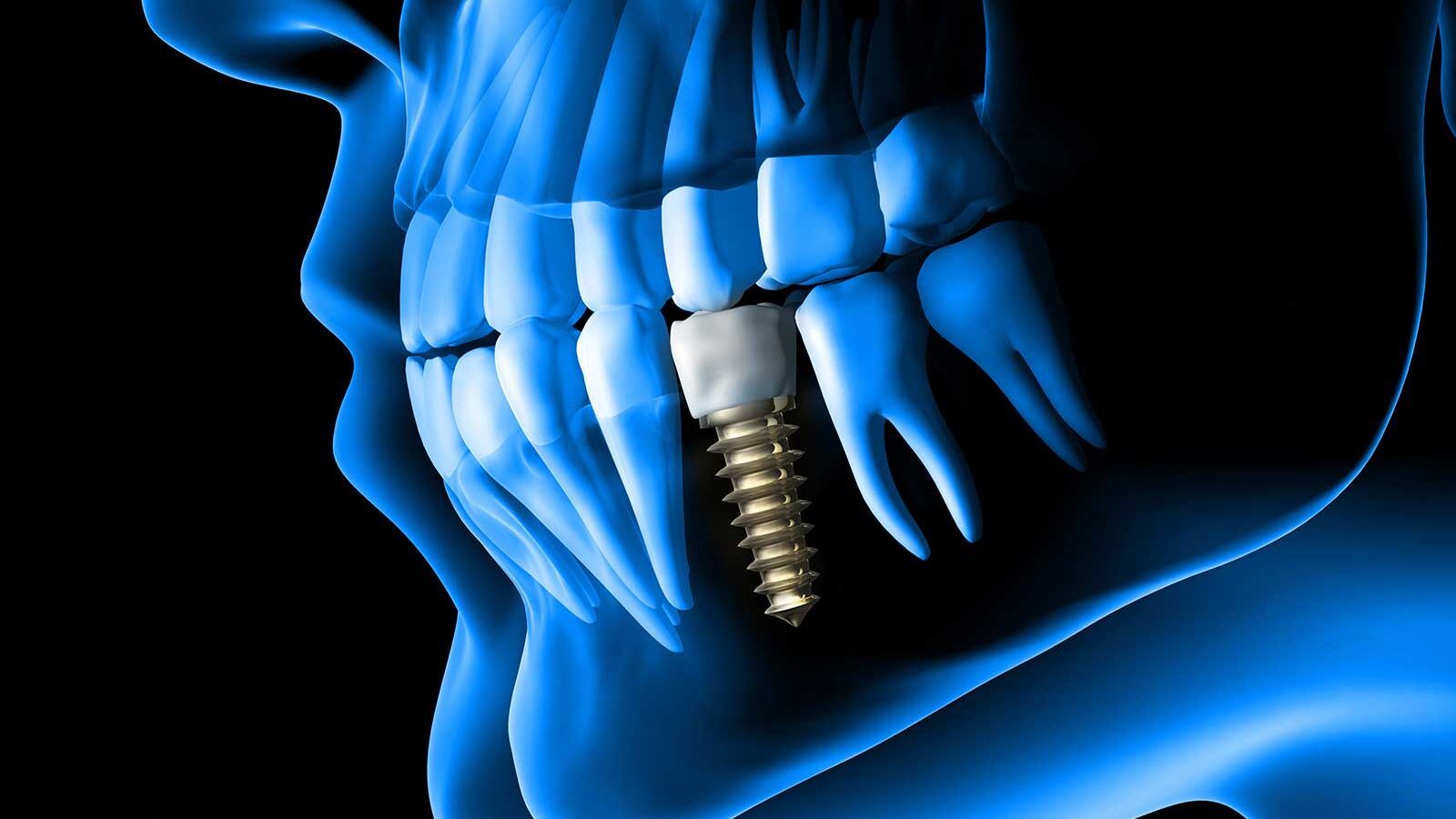
The cost of dental implants in London depends on the whole course of treatment, not on one product. That course usually includes an assessment, imaging and the surgical placement of a titanium or zirconia fixture in the jawbone. Then comes a healing period and, finally, the restoration that sits on top: a crown, a bridge or a full-arch prosthesis. Each stage varies from one patient to the next. As a result, two people asking about “one implant” can receive very different treatment plans.
The most useful way to think about cost is to separate the treatment into its parts. Once you can see the parts, it becomes easier to understand a quote, compare two quotes fairly and ask the right questions.
What are the main factors behind the cost of dental implants?
The table below sets out the factors that most often change the overall cost of implant treatment. Not every factor applies to every patient.
| Factor | Why it matters |
|---|---|
| Number of implants and teeth replaced | One missing tooth usually needs one implant. A bridge on two or more implants can replace several missing teeth. Four to six implants can support a whole arch. |
| Bone volume and quality | If the jaw has shrunk after an extraction, you may need a bone graft or a sinus lift first. |
| Imaging and planning | A CBCT scan and digital planning add a stage but make surgery more predictable. Guided surgery uses a printed or navigated guide based on that plan. |
| Extractions and timing | Removing a failing tooth and placing an implant on the same day is a different procedure from placing an implant into a healed site. |
| Type of restoration | Crowns, bridges and full-arch prostheses differ in materials, laboratory work and the number of appointments needed. |
| Sedation | Your surgeon carries out most implant surgery under local anaesthetic. Intravenous sedation, if chosen, adds a separate cost. |
| Implant system | Established implant systems with long clinical track records and wide availability of compatible parts tend to cost more than lesser-known brands. |
| Aftercare and maintenance | Reviews, hygiene visits and any warranty terms vary between practices and affect the long-term cost. |
How does the number of teeth change the treatment plan?
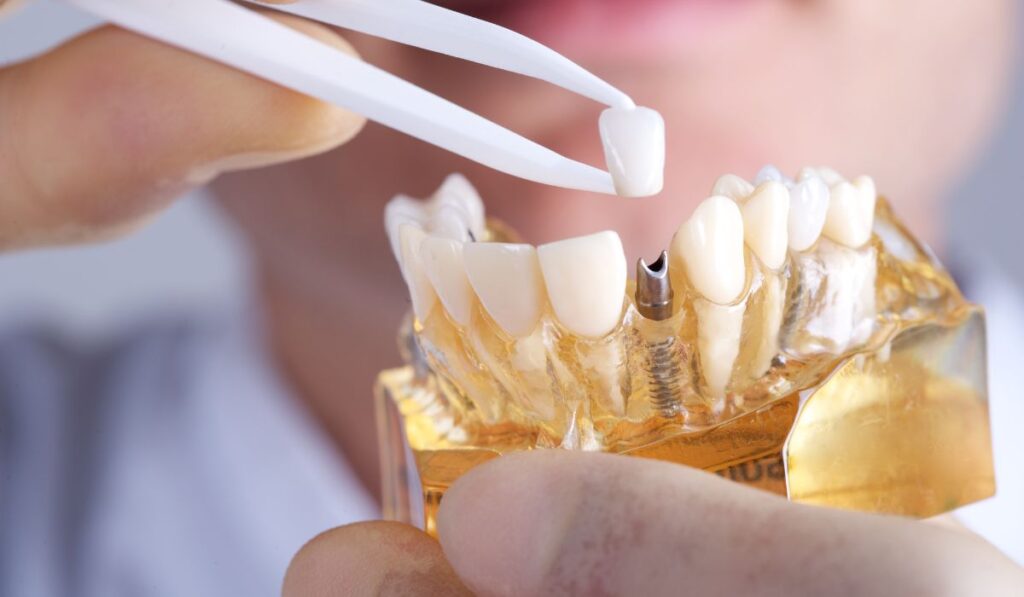
One implant and one crown usually replace a single missing tooth. This is the simplest form of implant treatment, although the position of the tooth matters. A front tooth demands careful attention to gum shape and appearance, while a back tooth may sit close to the sinus or to the nerve in the lower jaw.
When several neighbouring teeth are missing, it is not always necessary to place one implant for each tooth. Two implants can often support a three-unit bridge, which reduces the surgical work. Your surgeon will advise on the number of implants based on bone volume, bite forces and the space available.
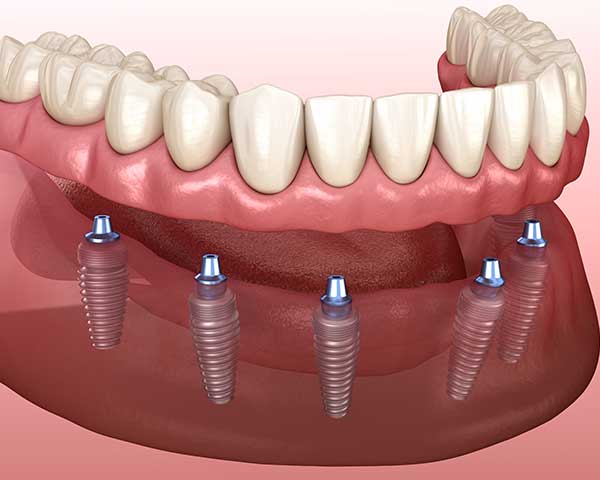
For a full arch, four or six implants can support a fixed bridge. This approach, often called All-on-4 or All-on-6, involves extractions where needed, implant placement and a provisional bridge, followed months later by a definitive bridge. It is a larger, multi-stage treatment, and the cost reflects that.
Does a bone graft or sinus lift add to the dental implant cost?
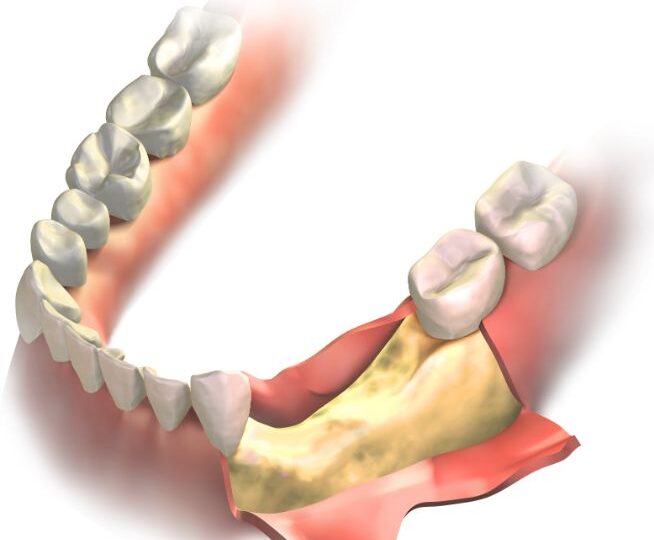
Yes. After you lose a tooth, the bone that held it gradually shrinks. If there is not enough bone width or height to hold an implant securely, the surgeon may recommend bone grafting. In the upper back jaw, the floor of the maxillary sinus can sit too low for an implant, and a sinus lift raises it by adding graft material underneath the sinus membrane.
Your surgeon can sometimes graft at the same appointment as the implant. In other cases grafting is a separate procedure, and several months of healing follow. Both the materials and the extra surgical time affect the dental implants cost. A CBCT scan at the first assessment usually shows whether you are likely to need grafting, so you can avoid surprises later.
Why do scans and digital planning affect implant cost?
A CBCT scan is a three-dimensional X-ray that shows the height, width and density of the jawbone and the position of nerves, roots and sinuses. Combined with an intraoral scan of the teeth, it allows the surgeon to plan each implant position on a computer before surgery.
Planning takes clinical time, so the fee reflects it. In return, it lets the surgeon anticipate grafting needs, choose implant sizes in advance and, where appropriate, carry out guided surgery. Dr Battista plans implant cases digitally before surgery, so the treatment plan presented at consultation is based on the patient’s own scan rather than an estimate.
What range of prices is typical in the UK?
The cost of dental implants varies widely across UK regions and practices, and London fees are generally at the higher end. As a broad and cautious guide, practices commonly quote a single implant with its crown in the low thousands of pounds. A fixed full-arch bridge on implants usually costs many times more. These figures are general market observations, not a quote, and they move with the complexity of each case.
Dental implants for routine tooth replacement are not usually available on the NHS. The NHS tends to limit implant treatment to specific medical situations, such as reconstruction after cancer surgery or trauma. Hospital teams normally provide that care. So most patients in London who choose implants do so privately. The Oral Health Foundation also explains how implants work and how to look after them.
What should a treatment quote include?
A clear quote helps you understand exactly what you are paying for. Before you agree to treatment, it is reasonable to ask whether the quote covers these items:
- the consultation, clinical examination and CBCT scan
- any extractions needed before or on the day of implant placement
- bone grafting or sinus lift procedures, and the materials used
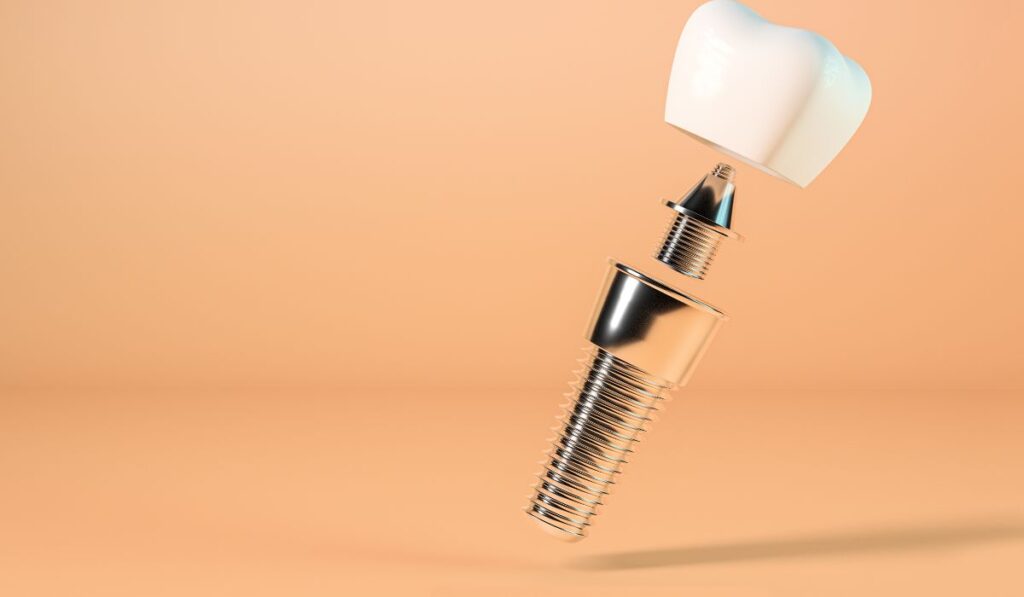
- the implant fixture, the abutment (the connector) and the final crown or bridge
- any temporary tooth or provisional bridge during healing
- sedation, if you choose it
- review appointments after surgery and after the team fits the final restoration
- the maintenance programme and the terms of any warranty
When two quotes differ substantially, one often includes items that the other leaves out. Comparing quotes line by line is the fairest approach.
Is a cheaper implant abroad or at home a false economy?
Lower fees can be attractive, but implant treatment is a long-term commitment. Implants need reviews, professional cleaning and occasional maintenance of screws or crowns. If complications arise, such as inflammation around an implant, loosening of a component or a fractured crown, being able to see the clinician who placed it is a real advantage.
It also matters which implant system your clinician uses. Well-documented systems have parts that most implant clinicians can source. Less common systems can make repairs difficult or impossible for another dentist to carry out. Wherever you have treatment, ask for the brand, the implant size and the treatment records.
How can you spread or reduce the cost?
Many practices offer payment in stages that follow the treatment timeline, and some offer finance arrangements. Dental insurance policies occasionally contribute to implant treatment, so it is worth checking your policy wording.
Clinical decisions can also influence cost. A bridge on two implants may be suitable instead of three individual implants. If root canal treatment can save a tooth, you may not need to replace it at all. A frank conversation at consultation about priorities and options often produces a plan that fits both clinical needs and budget.
What happens at an implant consultation?
A consultation typically includes a discussion of your medical history and goals, an examination of the teeth and gums, and imaging. The team checks gum health carefully, because untreated gum disease is a risk factor for problems around implants. If needed, the team arranges a periodontal assessment first.
After the assessment, you should receive a written treatment plan setting out the stages, the expected timescale, the risks and alternatives, and the fees. That written plan is the only reliable answer to the question of dental implants cost for your own mouth. To arrange an assessment in London, you can get in touch here.
Frequently asked questions
Are dental implants available on the NHS?
Implants for routine tooth replacement are generally not provided on the NHS. NHS implant treatment is usually limited to specific medical circumstances, such as reconstruction after mouth cancer, facial trauma or certain congenital conditions, and is normally carried out in hospital. Most people in London who choose implants are treated privately, after a consultation and a written treatment plan.
Why do implant prices vary so much between clinics?
Quotes vary because they often include different things. One quote may include the scan, the abutment, the crown, a temporary tooth and reviews, while another lists only the implant fixture. The implant system, the experience of the clinician, the need for grafting and the aftercare offered also differ. Comparing written quotes line by line is the fairest way to judge value.
Does a bone graft always cost extra?
A bone graft is an additional procedure, so it usually adds to the overall cost. Not every patient needs one. A CBCT scan at the assessment normally shows whether there is enough bone width and height for an implant. Sometimes a small graft can be placed at the same appointment as the implant, which avoids a separate surgical visit.
Is sedation included in the cost of implant surgery?
Most implant surgery is comfortably carried out under local anaesthetic, which is part of the procedure. Intravenous sedation is an optional extra for patients who feel anxious or who are having longer treatment, and it is usually charged separately because it involves additional monitoring and staff. Your surgeon can advise whether sedation is appropriate for you.
How long do dental implants last?
Implants can last many years when they are well planned and well maintained, but no clinician can guarantee a lifespan. Longevity depends on gum health, cleaning at home, regular professional reviews, smoking, general health and bite forces. Crowns and bridges on implants may need repair or replacement over time, which is worth considering when weighing up long-term cost.
Can I get a price without a consultation?
A general indication can be given, but an accurate figure needs an examination and usually a CBCT scan. Bone volume, gum health, the position of the sinus and nerves, and the condition of neighbouring teeth all change the treatment plan. A written plan after assessment avoids unexpected costs once treatment has started.
More guides
All guides
Dental implants Am I a candidate for dental implants?
How bone, gum health, medical history and smoking decide whether dental implants are suitable, and what can improve the odds.
 Dental implants Same-day teeth (All-on-4): what really happens on the day
A realistic, step-by-step account of full-arch treatment day, from arrival to leaving with fixed provisional teeth.
Dental implants Same-day teeth (All-on-4): what really happens on the day
A realistic, step-by-step account of full-arch treatment day, from arrival to leaving with fixed provisional teeth.
 Digital dentistry Guided vs freehand implant surgery: what is the difference?
Static guides, dynamic navigation and freehand placement compared, with the situations where each approach makes sense.
Digital dentistry Guided vs freehand implant surgery: what is the difference?
Static guides, dynamic navigation and freehand placement compared, with the situations where each approach makes sense.
Next step
Talk it through before you decide
Send me a short message about what is going on. You will get an honest answer on whether surgery is the right step, and what the options are.