

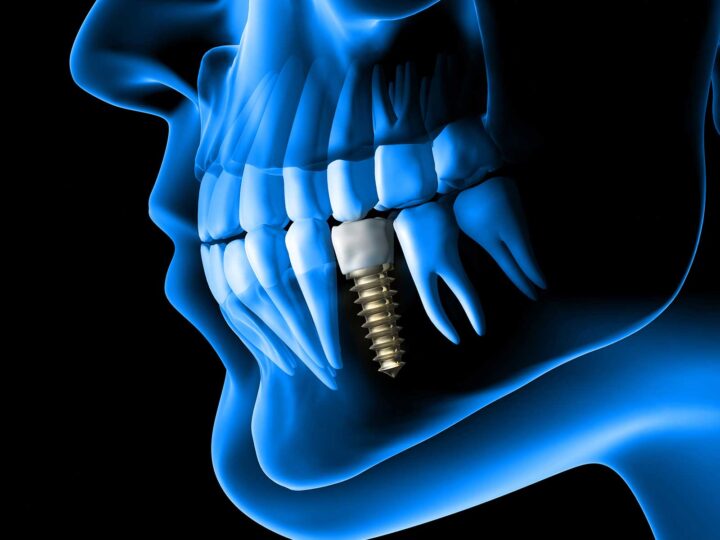
 Dental implants How much do dental implants cost in London?
The real factors behind implant pricing in London, and how to compare treatment quotes on a like-for-like basis.
Dental implants How much do dental implants cost in London?
The real factors behind implant pricing in London, and how to compare treatment quotes on a like-for-like basis.
Dental implants
Am I a candidate for dental implants?
Who is a candidate for dental implants?
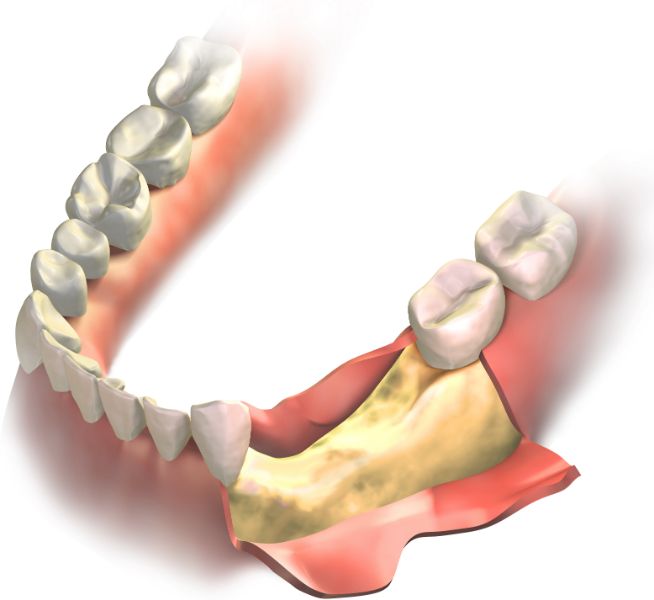
Most adults who have lost teeth can be a candidate for dental implants. Implants can replace a single tooth, several teeth or a full arch, and there is no upper age limit. What matters is not age but the condition of the jaw and gums, general health and the ability to look after the implants long term. However, surgeons generally do not place implants in children or teenagers until jaw growth has finished. An implant does not move with the growing jaw as natural teeth do.
Being a candidate for dental implants is rarely a simple yes or no. Many people who hear that they “do not have enough bone” or have “weak gums” can still have implants after preparatory treatment. The assessment is about understanding the starting point and planning accordingly.
What decides whether you are suitable for dental implants?
The table below summarises the factors a surgeon considers and what usually helps with each one.
| Factor | Why it matters | What can help |
|---|---|---|
| Bone volume | An implant needs enough bone height and width to be stable | Bone grafting, sinus lift, shorter or narrower implants, guided planning |
| Gum health | Active gum disease increases the risk of inflammation and bone loss around implants | Periodontal treatment before implants, good home care |
| Smoking and vaping | Tobacco reduces blood flow and slows healing | Stopping, or at least stopping around the time of surgery |
| Diabetes | Poorly controlled blood sugar affects healing and infection risk | Good diabetic control, liaison with the GP |
| Medication | Some drugs affect bone healing or bleeding | Full medication review, liaison with the prescriber where needed |
| Teeth grinding | Heavy forces can overload implants and crowns | Night guard, careful design of the bite |
How much bone do you need for a dental implant?
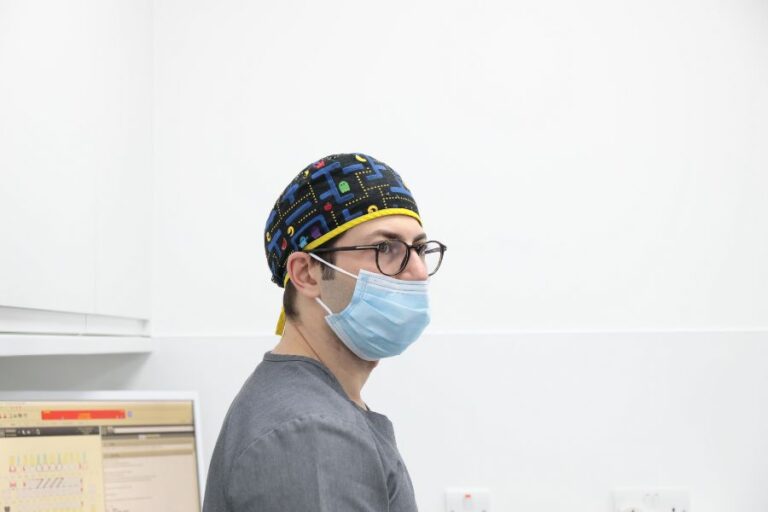
An implant needs bone on all sides to integrate properly. The amount needed depends on the implant size and the position in the mouth. After an extraction, the bone that supported the tooth begins to shrink. The loss is fastest in the first months. Long-standing gaps, previous infections and wearing a denture for many years can all reduce the available bone.
A CBCT scan shows the height, width and density of the bone in three dimensions, as well as the position of the nerve in the lower jaw and the sinus in the upper jaw. If there is not enough bone, options include bone grafting, a sinus lift in the upper back jaw, or choosing a shorter or narrower implant where appropriate. Accurate planning can sometimes position an implant where the existing bone is best, avoiding a graft.
Can you have implants if you have gum disease?
Your dentist needs to treat and stabilise active gum disease (periodontitis) before implant surgery. The bacteria that cause periodontitis can also cause inflammation around implants, called peri-implantitis, which can lead to bone loss and, in some cases, implant failure. People with a history of gum disease can still have implants, but they need careful assessment, thorough treatment first and a strict maintenance programme afterwards.
A periodontal assessment measures the pockets around the teeth, bleeding, bone levels and mobility. If the assessment finds disease, the team completes deep cleaning, and sometimes gum surgery, before implant treatment begins. Healthy gums are the foundation of long-lasting implants.
Does smoking stop you from having dental implants?
Smoking does not automatically rule out implants, but it is one of the most important risk factors. Tobacco reduces blood supply to the gums and bone and slows healing. Studies also link it with a higher rate of early implant failure and of peri-implantitis over time. Heavier smoking carries greater risk.
Stopping smoking is the single most helpful step a smoker can take before implant treatment. If stopping completely is not possible, surgeons usually advise not smoking for as long as possible before surgery and during the healing period. Vaping and nicotine products are less studied, but nicotine itself affects blood flow, so the same caution generally applies. NHS stop smoking services offer free support.
Which medical conditions affect implant treatment?
Many medical conditions are compatible with implants when you and your doctor manage them well. Some need extra care or liaison with a doctor:
- Diabetes: well-controlled diabetes is usually compatible with implants, while poor control increases infection and failure risk.
- Osteoporosis medication: drugs such as bisphosphonates or denosumab carry a small risk of a condition called medication-related osteonecrosis of the jaw. The risk depends on the drug, dose, route and duration.
- Radiotherapy to the head and neck: irradiated bone heals less well, and implants in that area need specialist hospital planning.
- Blood thinners: most patients continue their medication, with local measures to control bleeding, but you and your surgeon must agree the plan in advance.
- Immune conditions and immunosuppressant drugs: healing may be slower, so your surgeon adjusts timing and monitoring.
- Heart conditions: recent heart attacks or unstable conditions may mean delaying elective surgery.
An honest and complete medical history, including all prescribed and over-the-counter medicines, allows the surgeon to judge the risks properly.
Are you too old to be a candidate for dental implants?
There is no upper age limit for dental implants. Older adults often benefit most, particularly those struggling with loose lower dentures. Two implants supporting a denture, or a fixed bridge on four to six implants, can transform comfort and confidence when eating and speaking.
What matters for older patients is general health, the ability to tolerate a surgical procedure and the ability to keep the implants clean, possibly with help. The team can also design treatment that is simple to maintain.
What if a dentist said you are not suitable for dental implants?
If a previous dentist advised against implants, it is worth understanding why. Common reasons include insufficient bone, untreated gum disease, smoking or a medical condition. Grafting, periodontal treatment or a change in habits can address some of these. Others, such as recent radiotherapy or certain medication histories, may need a hospital-based approach or a different type of tooth replacement.
Alternatives to implants include bridges supported by natural teeth and removable dentures. Each has advantages and limitations, and a good assessment explains all the realistic options, not only implants.
What happens at an implant suitability assessment?
A typical assessment follows a clear sequence:
- A conversation about your goals, concerns and medical history.
- An examination of the teeth, gums, bite and any existing dentures or bridges.
- Imaging, usually a CBCT scan, to assess bone and anatomy.
- A discussion of options, risks, alternatives and timescales.
- A written treatment plan with the proposed stages.
Dr Battista reviews the scan with each patient, so you can see the reasoning behind the plan. That includes whether you need any grafting. Patients referred by their own dentist return to that dentist for routine care once implant treatment is complete.
How long does treatment take once you are suitable?
For a straightforward single implant in a healed site with enough bone, treatment usually takes a few months from placement to the final crown. The implant then needs time to integrate with the bone. This commonly takes around three months in the lower jaw and sometimes longer in the upper jaw, where the bone is often softer. Your surgeon can usually provide a temporary tooth during this time, so there is no visible gap.
When a tooth needs removing first, an immediate implant placed on the same day can shorten the overall timeline in suitable cases. When you need grafting or a sinus lift as a separate stage, treatment may extend over many months. The written plan after assessment includes a realistic timeline, so you can organise work, travel and events around it.
How can you improve your chances of implant success?
Several steps are within the patient’s control. Stopping smoking and achieving good control of conditions such as diabetes both help. Treating gum disease, attending hygiene appointments and cleaning carefully around implants every day also make a real difference. Wearing a night guard when grinding is a problem protects implants from overload.
If you would like to know whether you are a candidate for dental implants in London, you can book an assessment.
Frequently asked questions
Is there an age limit for dental implants?
There is no upper age limit. Suitability depends on general health, bone and gum condition and the ability to keep the implants clean, not on age. The lower limit is set by jaw growth: implants are usually delayed until growth has finished, typically in early adulthood, because an implant does not move with the jaw as it grows.
Can I have implants if I have diabetes?
Many people with diabetes have implants successfully. Good blood sugar control is the key factor, because poorly controlled diabetes slows healing and increases the risk of infection. Your surgeon may ask about recent blood test results and may liaise with your GP before planning surgery. Regular reviews afterwards help keep the gums around the implants healthy.
Can I have implants if I smoke?
Smoking does not automatically exclude implants, but it increases the risk of slow healing, early implant failure and gum problems around implants later on. Stopping smoking before treatment is strongly advised. If that is not possible, avoiding smoking around surgery and throughout healing reduces risk. Your surgeon will discuss your individual risk honestly before treatment.
What if I do not have enough bone for an implant?
Lack of bone is common and often treatable. Options include bone grafting to rebuild width or height, a sinus lift in the upper back jaw, or using shorter or narrower implants where appropriate. A CBCT scan shows exactly how much bone is available and allows the surgeon to recommend the simplest safe solution.
Do osteoporosis tablets stop me having implants?
Not necessarily. Some osteoporosis medicines, such as bisphosphonates, carry a small risk of a jaw bone healing problem after surgery. The risk depends on the drug, how it is given and for how long. Your surgeon will review your medication history carefully, and in some cases will liaise with your doctor before recommending treatment.
Can I have implants if I grind my teeth?
Grinding and clenching put heavy forces on teeth and implants, which can loosen screws, chip crowns or overload the bone. Implants can still be considered, but the bite needs careful design, materials need to be chosen accordingly and a night guard is usually recommended. Your surgeon will look for signs of grinding during the examination.
More guides
All guides
Dental implants How much do dental implants cost in London?
The real factors behind implant pricing in London, and how to compare treatment quotes on a like-for-like basis.
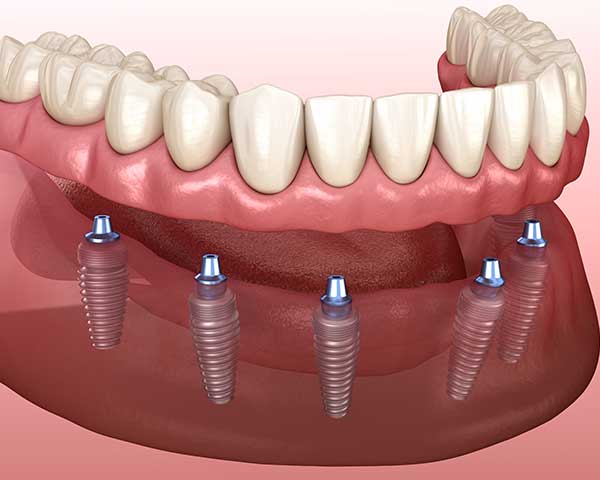 Dental implants Same-day teeth (All-on-4): what really happens on the day
A realistic, step-by-step account of full-arch treatment day, from arrival to leaving with fixed provisional teeth.
Dental implants Same-day teeth (All-on-4): what really happens on the day
A realistic, step-by-step account of full-arch treatment day, from arrival to leaving with fixed provisional teeth.
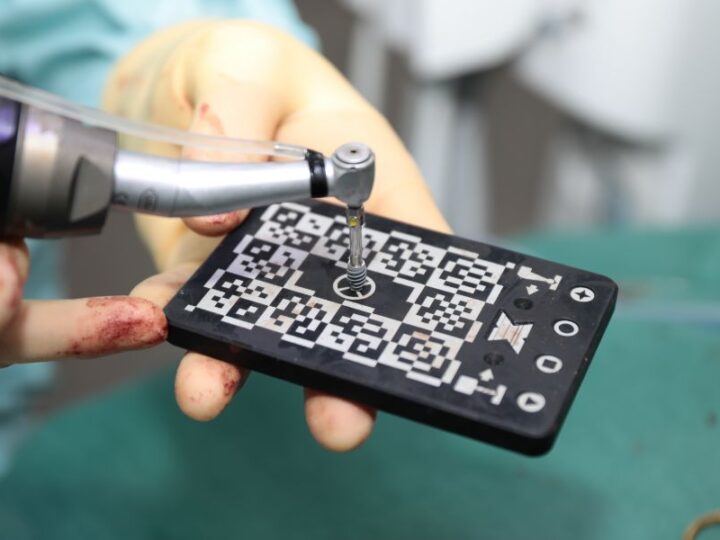 Digital dentistry Guided vs freehand implant surgery: what is the difference?
Static guides, dynamic navigation and freehand placement compared, with the situations where each approach makes sense.
Digital dentistry Guided vs freehand implant surgery: what is the difference?
Static guides, dynamic navigation and freehand placement compared, with the situations where each approach makes sense.
Next step
Talk it through before you decide
Send me a short message about what is going on. You will get an honest answer on whether surgery is the right step, and what the options are.