

Implant surgery
Sinus lift
Rebuilding bone under the sinus in the upper back jaw so implants can be placed where bone has been lost.
What is a sinus lift?
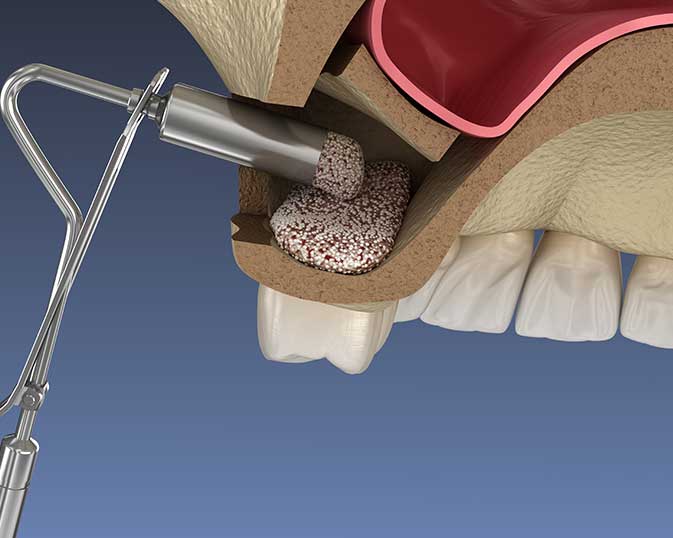
A sinus lift, also called sinus augmentation or sinus floor elevation, adds bone to the upper jaw at the back of the mouth. In this area, the maxillary sinuses sit just above the roots of the teeth. When the bone is too shallow for an implant, I lift the floor of the sinus and place bone graft material in the new space. As a result, the implant has enough bone to anchor in.
A thin membrane, called the Schneiderian membrane, lines the sinus. During a sinus lift I raise this membrane gently rather than cut through it. The graft then sits between the membrane and the existing bone.
Why might you need more bone in the upper jaw?
The upper back jaw often lacks enough bone for implants. Bone loss in this area builds up over time for several reasons:
- after you lose a tooth, the bone that supported it shrinks
- the sinus tends to expand downwards into the space left by missing teeth
- gum disease or long-standing infection can destroy bone
- the bone in the upper back jaw is naturally softer and thinner than in the lower jaw
Without enough bone height, the jaw cannot hold an implant firmly, and the implant could enter the sinus. A sinus lift rebuilds that height.
What types of sinus lift are there?
| Lateral window sinus lift | Crestal (transcrestal) sinus lift | |
|---|---|---|
| Access | A small window in the side wall of the jaw | Through the implant site from below |
| Typical use | Little bone remaining, larger gains needed | Moderate bone remaining, smaller gains needed |
| Implant timing | Same time or after healing, depending on bone | Usually at the same time |
| Recovery | More swelling and bruising | Usually milder |
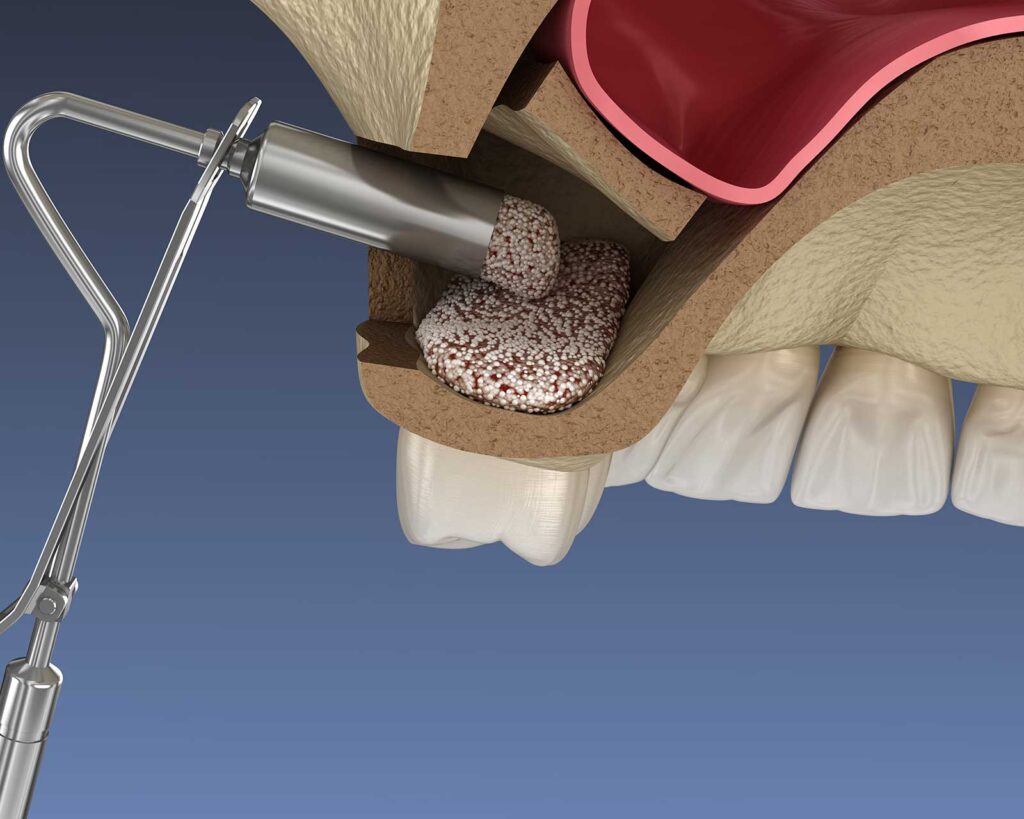
The choice depends mainly on how much bone remains below the sinus, the shape of the sinus floor and the health of the sinus. When there is too little bone to stabilise an implant, I place the graft first. Then the implant follows once the graft has matured.
Who is a good candidate for a sinus lift?
A sinus lift may suit you if you are missing upper back teeth and want implants rather than a denture or bridge. You also need a CBCT scan that shows too little bone height. In addition, the sinus should be healthy. Active sinusitis, untreated sinus disease or allergies that affect the sinus may need treatment first, sometimes with an ear, nose and throat specialist. The NHS guide to sinusitis describes the usual symptoms. Smoking also raises the risk of graft failure, so I strongly advise against it.
How does Dr Eric Battista plan the procedure?
I base the plan on a CBCT scan. It shows the exact height and width of the bone and the thickness of the sinus membrane. The scan also reveals any bony walls (septa) inside the sinus and the blood vessels in the side wall of the jaw. Then I plan the procedure, and the implants it will support, in digital software. That way, I can place the graft where the implant will need it.
I have published a case report in the Journal of Osseointegration on a guided lateral sinus lift. In that case, digital planning helped me position the access window. I combine the same digital approach with guided implant surgery. This helps to keep each sinus lift precise and as conservative as possible.
What happens on the day?
I carry out a sinus lift under local anaesthetic, and EB Dental also offers sedation. In a lateral sinus lift, I first open the gum and make a small window in the side of the jaw. Next, I lift the membrane and fill the space with graft material. This is often a bone substitute, sometimes mixed with your own bone. Finally, I cover the window with a membrane and stitch the gum.
In a crestal sinus lift, by contrast, I raise the sinus floor through the implant site. Then I add graft material and place the implant in the same procedure. You can read more about graft materials on the bone grafting page.
How long does a sinus lift take to heal?
Swelling and bruising of the cheek are common after a lateral sinus lift, and they usually peak at two to three days. A small nosebleed in the first days is normal. To protect the graft, for around two weeks you should:
- avoid blowing your nose, and sneeze with your mouth open
- skip heavy lifting and strenuous exercise for the first days
- check with your surgeon before flying or diving
- take any medicines I prescribe, which may include antibiotics or a nasal decongestant
When I separate the two stages, the graft usually needs around six to nine months to mature before the implant goes in. When I place the implant at the same time, I usually load it after a similar healing period. Your surgeon will advise on the timing for your case.
What are the risks and alternatives?
The most common complication is a small tear in the sinus membrane. I can usually repair it during surgery with a collagen membrane. Other possible complications include bleeding, infection of the graft and sinusitis. Some patients lose part or all of the graft, and occasionally an opening forms between the mouth and the sinus. The implant can also fail.
Alternatives may include short implants where some bone remains, or tilted implants as in All-on-4. Zygomatic implants, from surgeons who specialise in them, are another route. Finally, a bridge or denture without implants remains an option.
Why choose a specialist in oral surgery for a sinus lift?
Sinus surgery requires a detailed knowledge of the anatomy of the upper jaw. It also requires the ability to manage complications if they occur. As a specialist in oral surgery, I carry out sinus lifts regularly within implant treatment. Book a consultation at EB Dental, or ask your dentist to refer you.
Frequently asked questions
Is a sinus lift painful?
The procedure is done under local anaesthetic, so you should not feel pain during it. Afterwards, discomfort is usually moderate and managed with standard painkillers. Swelling and bruising of the cheek are common for a few days after a lateral sinus lift, while a crestal sinus lift usually causes milder symptoms, similar to a routine implant.
Can an implant be placed at the same time as a sinus lift?
Often, yes. If enough bone remains below the sinus to hold the implant firmly, the sinus lift and implant placement can be done in one procedure. When there is very little bone, the graft is placed first and the implant follows after the graft has matured, usually around six to nine months later.
What should I avoid after a sinus lift?
For about two weeks, avoid blowing your nose, sneeze with your mouth open, and avoid anything that creates pressure in the sinus, such as strenuous exercise in the first days, diving and, unless your surgeon agrees, flying. Do not smoke. Take any prescribed medicines and keep the area clean as instructed.
What is the bone graft made of?
Sinus lifts are commonly performed with a bone substitute, often of bovine origin, which acts as a scaffold that your own bone gradually grows into. It may be mixed with a small amount of your own bone. Synthetic materials are also available. If you have dietary, religious or personal preferences about animal-derived materials, mention them at consultation.
Is a sinus lift safe?
A sinus lift is a well-established procedure when planned carefully from a CBCT scan and performed by an experienced surgeon. Like all surgery it carries risks, most commonly a small tear in the sinus membrane, which can usually be repaired at the time. Infection, sinusitis and graft loss are less common. Your surgeon will discuss the risks that apply to you.
Next step
Talk it through before you decide
Send me a short message about what is going on. You will get an honest answer on whether surgery is the right step, and what the options are.