

Oral surgery
Impacted canines
Surgical exposure of buried eye teeth, planned together with your orthodontist, and removal when it is the better option.
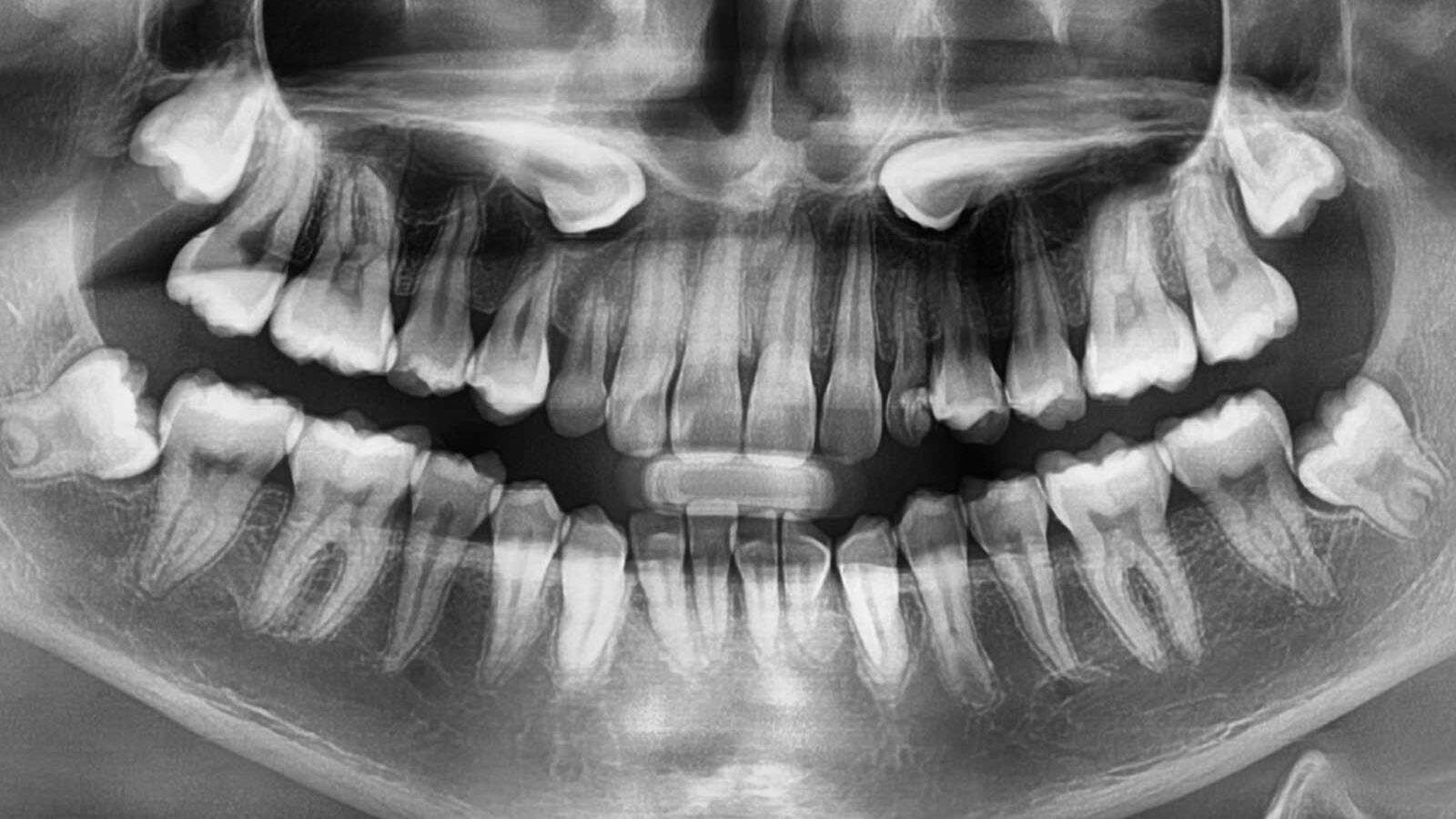
What are impacted canines?
Impacted canines are eye teeth that stay buried in the jaw instead of coming through. The canine, or eye tooth, normally comes into the mouth between the ages of 11 and 13. Sometimes one or both canines develop in the wrong position and stay buried in the bone. Dentists call this an impacted canine. The problem affects upper canines far more often than lower ones. The tooth usually lies either on the palate side or on the cheek side of the other teeth.
Canines matter. They have the longest roots in the mouth, they guide the way the teeth meet when the jaw moves, and they shape the corners of the smile. For these reasons, bringing an impacted canine into its correct position is usually worth the effort when it is realistic.
Why do impacted canines need treatment?
If left alone, an impacted canine will not come through normally. While it stays buried, it can press against the roots of the front teeth and damage them, a process called resorption, or push the neighbouring teeth out of position. Less commonly, a cyst can form around the crown of the buried tooth.
Your dentist or orthodontist may notice that the baby canine is still firm at around 10 to 11 years of age. They may also find no bulge of the adult canine above the baby tooth. X-rays, and often a CBCT scan, then show exactly where the tooth sits and whether it has damaged nearby roots. UK guidance from the Royal College of Surgeons of England explains why these early checks matter.
What are the treatment options for impacted canines?
The treatment depends on age, the position of the tooth and the condition of the surrounding teeth. The table below sums up the main options.
| Option | When it may be suitable |
|---|---|
| Removing the baby canine early | In younger children, this can sometimes encourage the adult canine to improve its path on its own. The orthodontist or dentist usually makes this decision. |
| Surgical exposure and orthodontic alignment | The most common route when the tooth is in a position that braces can correct and the patient is happy to wear them. |
| Removal of the canine | When the tooth sits in a very poor position, has fused to the bone or is damaging other teeth. It also suits patients who do not want orthodontic treatment. |
| Leaving it and monitoring | When the tooth is causing no harm and treatment would carry more risk than benefit. You will need regular X-rays. |
How does exposure of impacted canines work with my orthodontist?
Exposure of an impacted canine is a team procedure. Before surgery, your orthodontist usually fits a fixed brace to create space in the arch. I then plan the surgery from the X-rays and CBCT scan, agreeing with the orthodontist which technique suits the tooth.
In a closed exposure, I lift the gum and bond a small bracket with a fine gold chain to the canine. Then I stitch the gum back so the chain comes through to the brace. The orthodontist then applies gentle traction over the following months. An open exposure suits a tooth that lies near the surface. In this case I remove a window of gum over the crown, so the tooth can come through on its own or the orthodontist can bond it later.
My training includes a master’s diploma in orthodontics as well as my specialist training in oral surgery. Understanding how the orthodontist will move the tooth helps me place the bracket and handle the gum in a way that supports the next stage.
What happens on the day?
For most teenagers and adults, I carry out the exposure under local anaesthetic, so the area is numb while the patient stays awake. For anxious patients, we can discuss sedation. The procedure usually takes under an hour. Afterwards there is some soreness and swelling for a few days, managed with regular pain relief, a soft diet and careful cleaning. The stitches are typically dissolvable.
What are the risks?
- Pain, swelling and minor bleeding in the first days.
- The bracket can come loose, which may mean a second, shorter procedure.
- The canine may fail to move if it has fused to the bone (ankylosis). In that case I usually advise removal.
- Some recession of the gum around the canine once it is in position.
- Occasionally, damage to the roots of nearby teeth or altered sensation in the gum.
Treatment time varies widely. Guiding a canine into place often takes many months, and the overall orthodontic treatment can take two years or more. Your orthodontist will give you a realistic timescale.
Can adults have impacted canines treated?
Yes, although the chances of moving the tooth fall with age, because the canine is more likely to have fused to the bone. In adults, a careful CBCT assessment is especially useful. If exposure is unlikely to succeed, removing the canine and replacing it, for example with a dental implant once growth is complete, may be the more predictable option. Some cases also need bone grafting after removal.
Arranging treatment in London
I see patients with impacted canines at EB Dental in Worcester Park and Kentish Town, usually alongside their own orthodontist. Orthodontists and dentists can refer through the referral page, and you can see how I use 3D imaging on the digital dentistry page.
Frequently asked questions
What causes an impacted canine?
The canine develops high in the jaw and has the longest path to travel before it comes through. Lack of space, a baby canine that does not loosen, missing or small neighbouring teeth, and family tendency can all play a part. Often there is no single clear cause, which is why early checks by a dentist or orthodontist are helpful.
Is surgical exposure of a canine painful?
The procedure is carried out under local anaesthetic, so it should not be painful while it happens. Afterwards the area is sore for a few days and there may be some swelling. Regular pain relief, a soft diet and gentle salt water rinses help, and most patients return to school or work within a day or two.
How long does it take for an exposed canine to come into place?
It varies with the depth and angle of the tooth and with age. Gentle orthodontic traction usually moves the canine over many months, and the whole orthodontic treatment can take two years or more. Your orthodontist plans the timescale and monitors progress at regular appointments.
What if the canine does not move after exposure?
Sometimes a canine is fused to the surrounding bone, a condition called ankylosis, and will not respond to orthodontic traction. If that happens, the usual advice is to remove the tooth. The space can then be closed with braces or later restored, for example with a dental implant once jaw growth has finished.
Can an impacted canine be left alone?
In some cases, yes. If the tooth is not damaging other teeth, shows no cyst and treatment would be difficult, it may be reasonable to leave it and take periodic X-rays. The decision depends on the position of the tooth and your wishes, and your surgeon and orthodontist will explain the trade-offs.
Related treatments
All treatments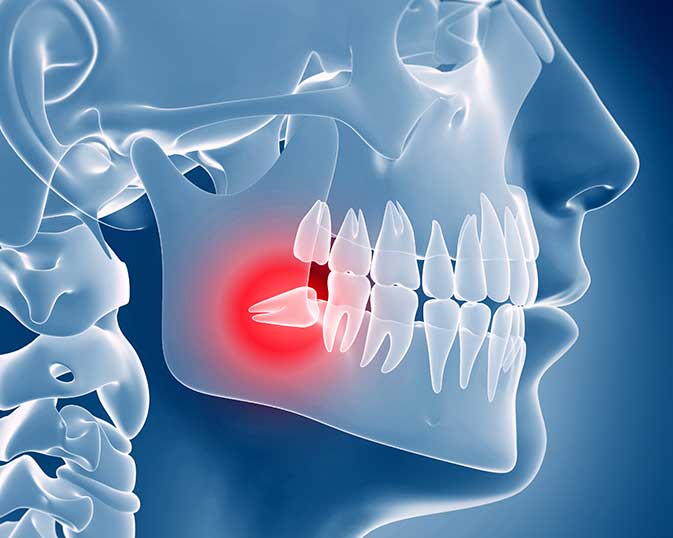 Wisdom teeth removal
When a wisdom tooth needs to come out, what the surgery involves and how to recover well. Read more
Wisdom teeth removal
When a wisdom tooth needs to come out, what the surgery involves and how to recover well. Read more
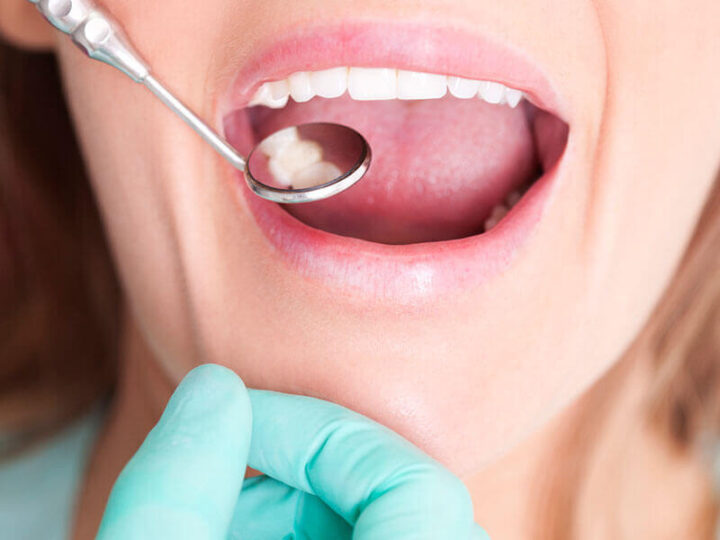 Oral biopsy
A short procedure under local anaesthetic to find out exactly what a lump, patch or ulcer in the mouth is. Read more
Oral biopsy
A short procedure under local anaesthetic to find out exactly what a lump, patch or ulcer in the mouth is. Read more
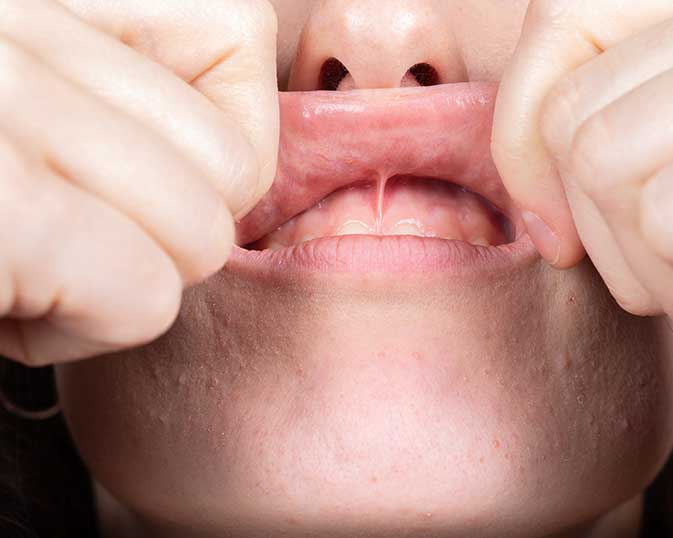 Frenectomy
Releasing a tight lip or tongue frenum when it affects the gums, the teeth, speech or movement. Read more
Frenectomy
Releasing a tight lip or tongue frenum when it affects the gums, the teeth, speech or movement. Read more
Next step
Talk it through before you decide
Send me a short message about what is going on. You will get an honest answer on whether surgery is the right step, and what the options are.