

Dental implants
Dental implants
A fixed, natural-looking replacement for one tooth, several teeth or a full arch, planned in 3D from a CBCT scan.
What are dental implants?
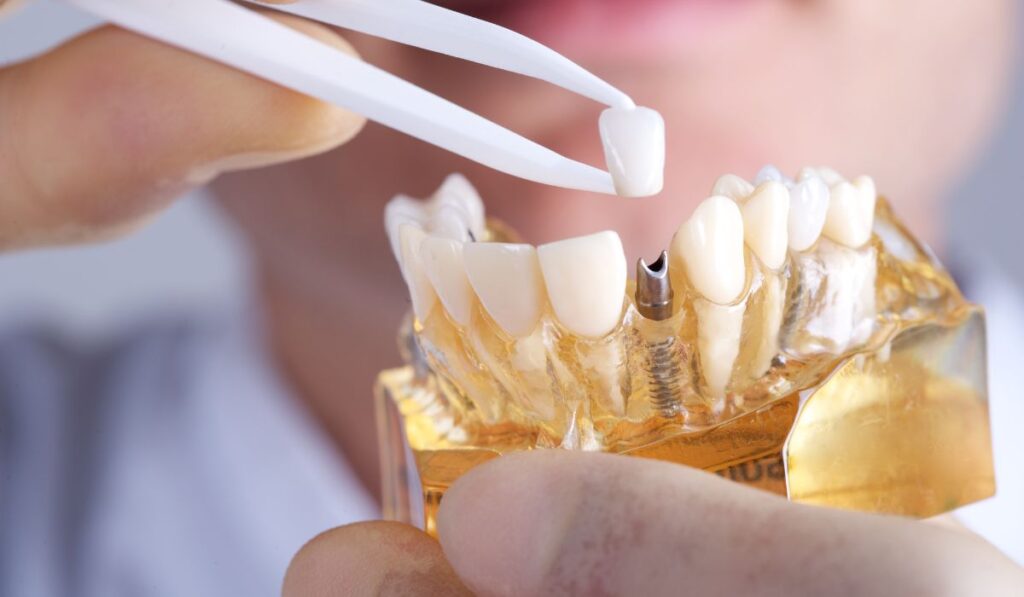
Dental implants replace the roots of missing teeth. Each implant is a small screw-shaped post, usually titanium, that sits in the jawbone. Over the following weeks the bone grows tightly against its surface, a process called osseointegration. Once the implant is stable, I attach a connector called an abutment. Then I fit a crown, bridge or denture on top.
An implant can replace a single tooth, several teeth or every tooth in a jaw. A crown on an implant looks similar to a natural crown, and it emerges through the gum in the same way. Because the implant stands on its own, I do not need to cut down healthy neighbouring teeth to support a bridge.
When you lose a tooth, the bone that held it slowly shrinks. However, an implant loads the bone much like a natural root. As a result, it helps to preserve the shape of the jaw and the support it gives to the lips and cheeks.
What are the benefits of dental implants?
My patients often tell me that implant treatment has changed how they eat, speak and socialise. Many also say they no longer worry about what they order at a restaurant. The benefits most people notice are:
- teeth that look and feel close to natural teeth and restore normal chewing
- healthy neighbouring teeth stay untouched, unlike with a conventional bridge
- a fixed option for people who struggle with a loose or uncomfortable denture
- less shrinkage of the jawbone where the tooth is missing, which helps to keep the shape of the face
- more confidence when smiling and eating in company
Who is a good candidate for dental implants?
Most healthy adults can consider dental implants once the jaw has stopped growing. You need enough healthy bone to hold the implant, healthy gums, and a commitment to daily cleaning and regular reviews. When bone is thin, bone grafting or a sinus lift can often rebuild the site. So a lack of bone does not always rule implants out.
Some factors raise the risk and need careful assessment. They include smoking, poorly controlled diabetes, active gum disease and previous radiotherapy to the head and neck. Medicines that affect bone healing, such as bisphosphonates and other antiresorptive drugs, also matter. These factors do not always rule implants out, but they change the plan and the advice I give.
How does Dr Eric Battista plan implant treatment?
Every case starts with a consultation, a clinical examination and a review of your medical history. Next, I take a cone beam CT (CBCT) scan. This low-dose 3D X-ray shows the height, width and density of the bone, and it maps the nerves and sinuses. An intraoral scanner then records the teeth and gums digitally, so you avoid traditional impression trays.
I combine the CBCT scan and the digital model in planning software such as DTX Studio, coDiagnostiX or 3Shape Implant Studio. First, I design the final tooth. Then I position the implant where it can support that tooth properly. Depending on the case, I transfer the plan to surgery with a printed guide, known as guided implant surgery, or with real-time X-Guide navigation.
Why I use Nobel Biocare implants
I use the Nobel Biocare implant system and keep a wide stock of its parts. As a result, I can match each implant to its site. Nobel Biocare is a long-established system with a large body of clinical research behind it. In addition, I am part of its specialist team for fully guided implant surgery. I avoid low-cost substitutes, because poorly documented parts can fail later, look less natural and make future repairs harder.
What happens on the day of surgery?
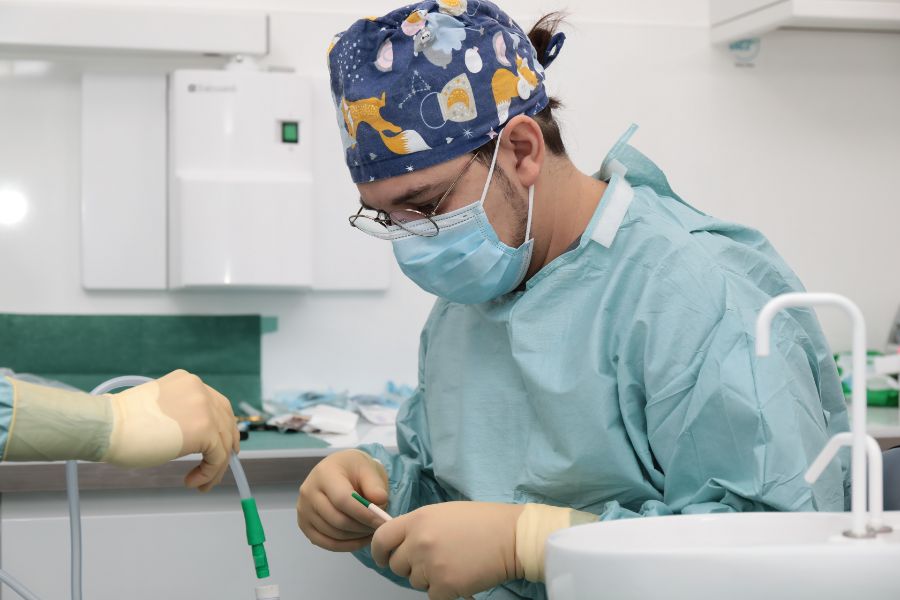
I usually place dental implants under local anaesthetic, so the area is numb while you stay awake. For nervous patients, EB Dental also offers sedation. A single implant typically takes around an hour, including preparation, while several implants or grafting take longer.
First, I open the gum or, in suitable guided cases, make a small circular opening instead. Next, I prepare the bone with a sequence of drills and place the implant. What follows depends on how firm the implant feels. I may cover it and leave it to heal, fit a healing cap, or attach a temporary tooth the same day.
How long does recovery from dental implants take?
Most people have mild to moderate discomfort, swelling and sometimes bruising for a few days. Simple painkillers usually control it, and many patients return to work the next day. Stitches, where I use them, dissolve or come out within one to two weeks.
| Stage | Typical timing |
|---|---|
| Consultation, CBCT scan and planning | One or two appointments |
| Implant placement | About one hour for a single implant |
| Gum healing | One to two weeks |
| Bone integration | Usually around three to six months |
| Final crown or bridge | Once integration is confirmed |
Timings vary with bone quality, grafting and whether you had the tooth replaced on the day of extraction. Your surgeon will advise on the timeline for your own case.
What are the risks and alternatives?
Implant surgery has a long track record, but no surgery is free of risk. Possible complications include pain, swelling, bleeding and infection, or damage to neighbouring teeth. In the lower jaw, a nerve injury can cause temporary or, rarely, permanent numbness of the lip or chin. In the upper jaw, the implant can involve the sinus. Occasionally an implant fails to integrate with the bone.
Over the long term, inflammation around the implant, called peri-implantitis, can cause bone loss. For that reason, careful cleaning and hygienist visits matter. Alternatives include a conventional bridge, a removable partial or full denture, or simply leaving the gap. Each option has advantages and limits, so I go through them with every patient before any decision. The Oral Health Foundation guide to dental implants also gives independent background.
Why choose a specialist in oral surgery for dental implants?
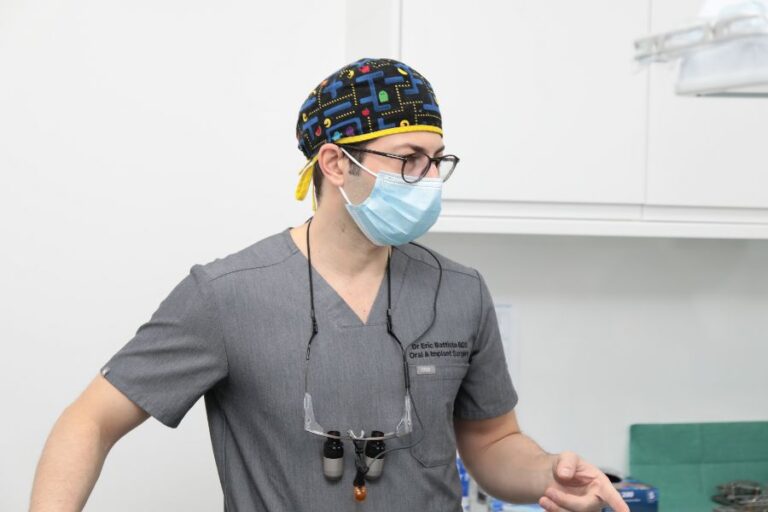
I am on the General Dental Council Specialist List in Oral Surgery. I joined it after full-time specialist training and several years in NHS oral and maxillofacial surgery departments. That background matters most when a case involves thin bone, grafting, nerves or the sinus. Good implant treatment also depends on skilled dental technicians and on long-term care with a hygienist, so I plan with both from the start.
You can read more about my training, see the EB Dental clinics in Worcester Park and Kentish Town, or book a consultation. Dentists can also refer a patient directly.
Frequently asked questions
Is dental implant surgery painful?
The procedure itself is done under local anaesthetic, so you should feel pressure and vibration but not pain. Afterwards most people describe soreness similar to a tooth extraction, which usually settles within a few days with simple painkillers such as paracetamol or ibuprofen, if these are suitable for you. Sedation is available at EB Dental for patients who feel anxious.
How long do dental implants last?
With good daily cleaning, regular check-ups and hygienist visits, implants can last for many years and often for decades. Much like natural teeth, they last as long as they are looked after. The crown or bridge attached to the implant may need repair or replacement over time. Smoking, gum disease and teeth grinding increase the risk of problems.
Can I have implants if I have been told I do not have enough bone?
Often, yes. A CBCT scan shows exactly how much bone is available. Where it is limited, bone grafting or a sinus lift can rebuild the area, either before or at the same time as the implant. In some full-arch cases, angled implants such as All-on-4 can avoid grafting altogether. Your surgeon will advise which approach suits your anatomy.
Are dental implants available on the NHS?
Implants are generally only provided on the NHS in specific clinical circumstances, for example after mouth cancer, facial injury or when teeth have failed to develop, and usually through a hospital department. For most patients, implant treatment is provided privately. Your dentist or a specialist can explain the options that apply to you.
How long does the whole implant process take?
For a single tooth, the full process usually takes around three to six months from placement to the final crown, because the bone needs time to bond with the implant. Treatment can be shorter when an immediate implant or a same-day temporary tooth is possible, and longer when bone grafting is needed first.
Related treatments
All treatments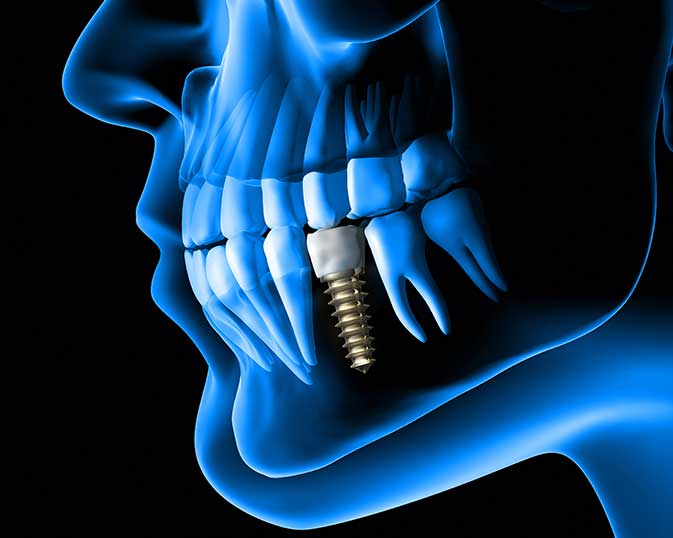 Immediate implants
Removing a failing tooth and placing the implant in the same appointment, often with a temporary tooth on the day. Read more
Immediate implants
Removing a failing tooth and placing the implant in the same appointment, often with a temporary tooth on the day. Read more
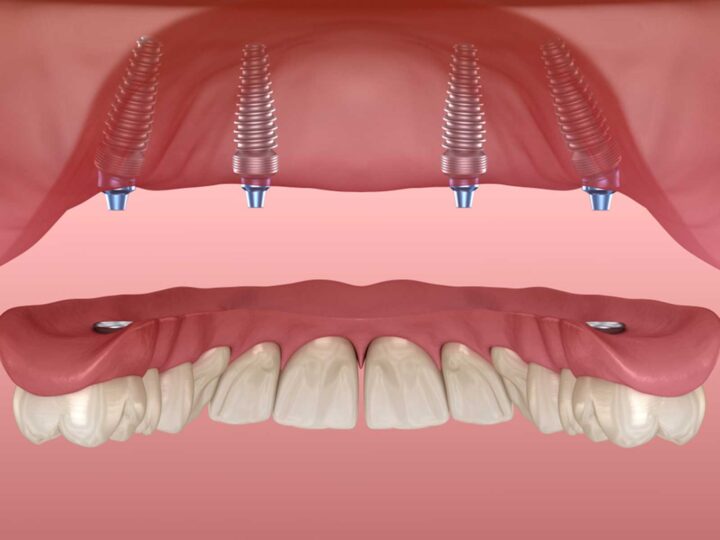 All-on-4 and All-on-6
A fixed full-arch bridge on four or six implants, often with temporary teeth fitted on the day of surgery. Read more
All-on-4 and All-on-6
A fixed full-arch bridge on four or six implants, often with temporary teeth fitted on the day of surgery. Read more
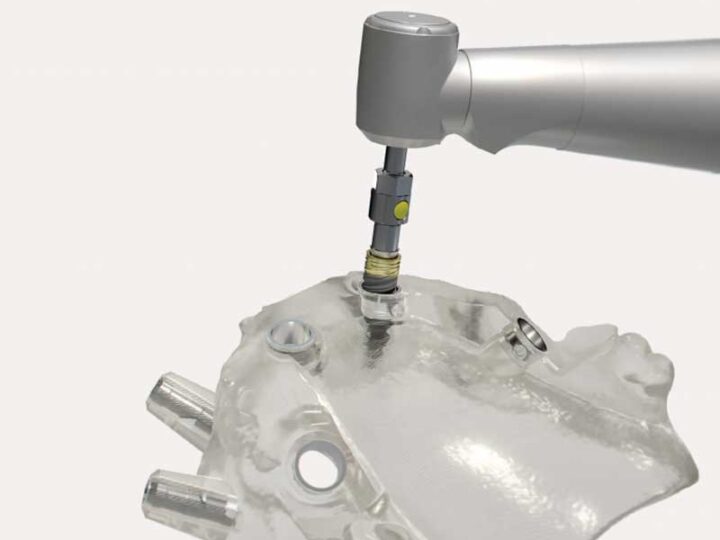 Guided implant surgery
Implants planned in 3D and placed through a custom-made guide for accurate position, angle and depth. Read more
Guided implant surgery
Implants planned in 3D and placed through a custom-made guide for accurate position, angle and depth. Read more
Next step
Talk it through before you decide
Send me a short message about what is going on. You will get an honest answer on whether surgery is the right step, and what the options are.