

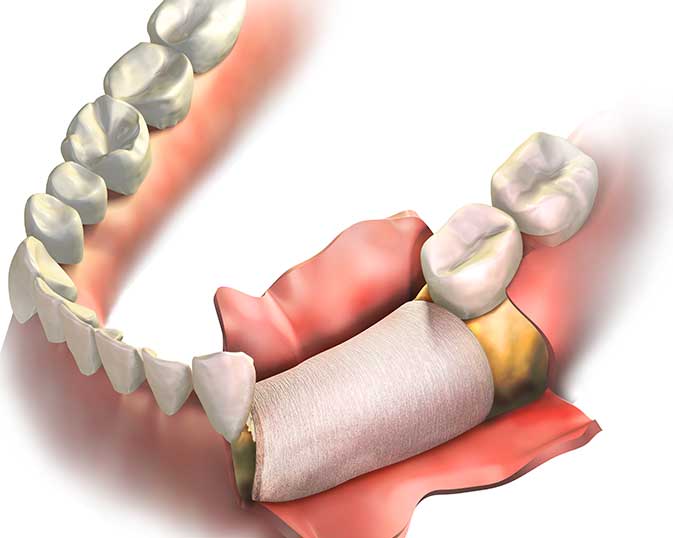
 Bone and sinus Do I need a bone graft before implants?
Why bone is lost after extractions, how a surgeon decides whether grafting is needed and what the main options involve.
Bone and sinus Do I need a bone graft before implants?
Why bone is lost after extractions, how a surgeon decides whether grafting is needed and what the main options involve.
Bone and sinus
Sinus lift: what to expect and how long healing takes
Why would you need a sinus lift?
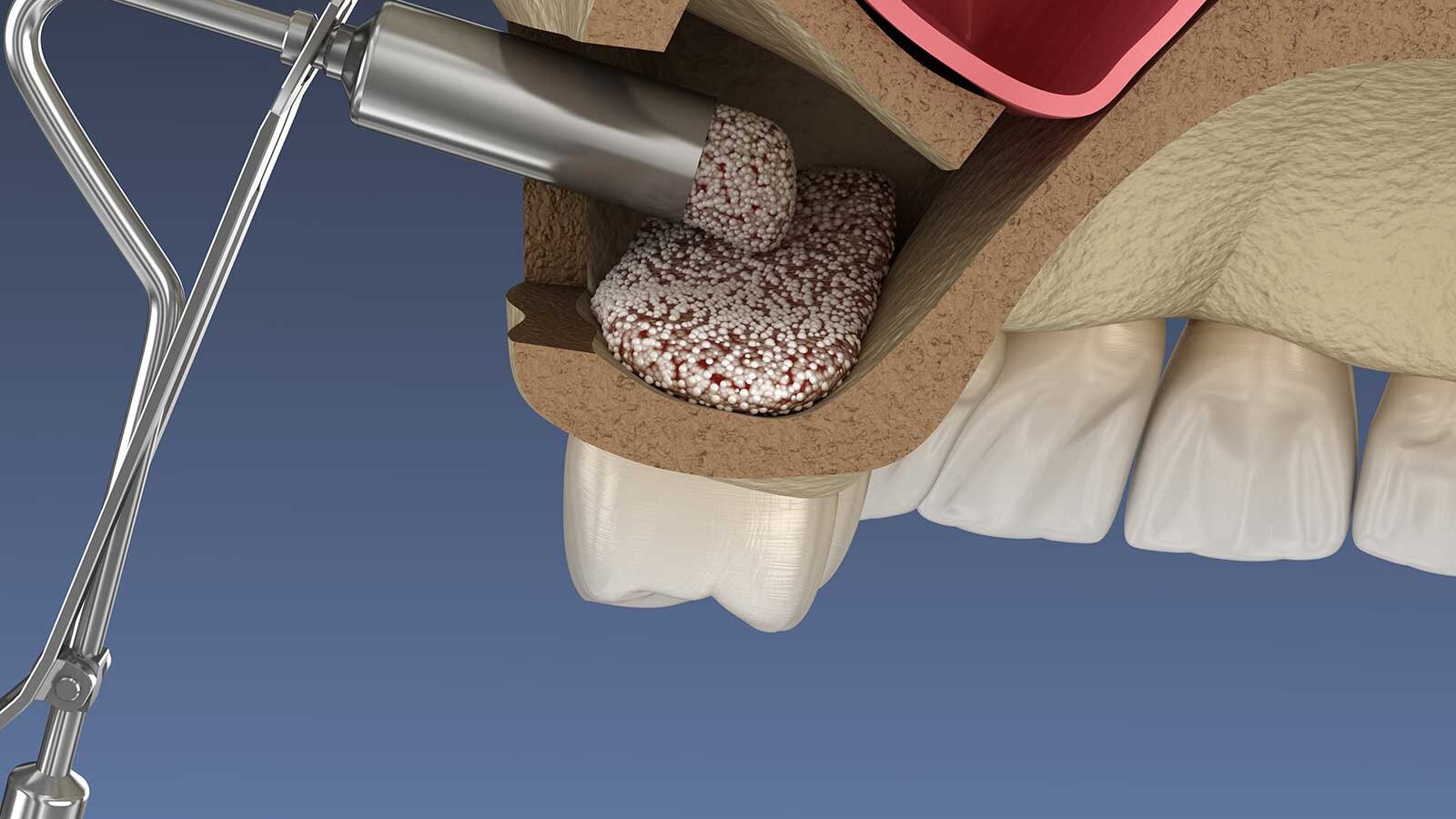
Sinus lift healing makes more sense once you know why you might need the procedure. The maxillary sinuses are air spaces above the roots of the upper back teeth. After you lose an upper molar or premolar, two things often happen. The bone of the jaw shrinks from below, and the sinus tends to expand downwards into the space the roots used to occupy. The result can be too little bone height to hold a dental implant securely.
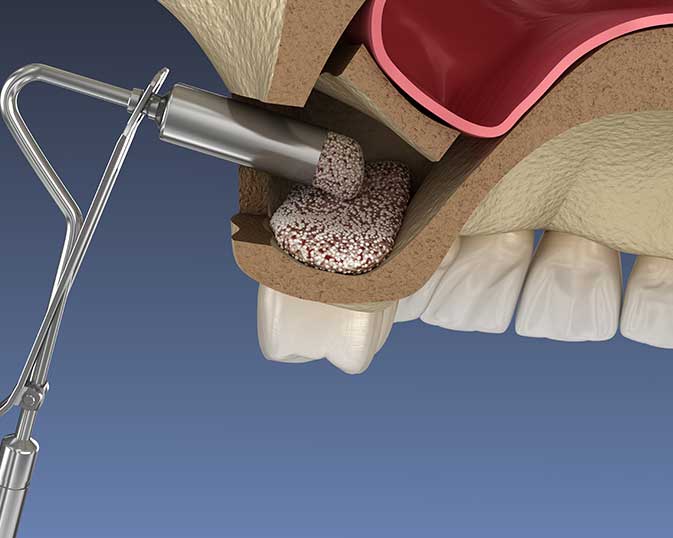
A sinus lift, also called sinus augmentation or sinus floor elevation, gently lifts the thin membrane lining the floor of the sinus and places bone graft material in the space created underneath. Over time, as sinus lift healing progresses, the graft becomes part of the jaw, providing height for one or more implants. The sinus itself remains intact and continues to function normally.
How does your surgeon decide what you need?
The decision is based on a CBCT scan, which shows the height and width of bone beneath the sinus, the thickness of the sinus floor, the shape of the sinus and any signs of sinus disease. Ordinary two-dimensional X-rays can underestimate or overestimate the bone available.
Not everyone with limited bone needs a sinus lift. Depending on the anatomy, alternatives can include shorter implants, angled implants that avoid the sinus, or moving the implant position slightly. In full-arch treatment, tilted implants as used in All-on-4 often avoid the need for sinus grafting. Your surgeon will explain which options are realistic for you.
What is the difference between a lateral and a crestal sinus lift?
There are two main approaches. The choice depends mainly on how much bone height you already have and how much extra height you need.
| Crestal (internal) sinus lift | Lateral window sinus lift | |
|---|---|---|
| Access | Through the implant site on top of the ridge | Through a small window in the side wall of the jaw |
| Typical use | When a moderate amount of bone height already exists and a small lift is enough | When there is very little bone height and the implant needs a larger lift |
| Implant timing | Usually at the same time | Same time if the existing bone can stabilise the implant, otherwise a few months later |
| Recovery | Usually similar to a single implant | More swelling and bruising, still usually manageable |
What happens during the procedure?
Your surgeon usually carries out sinus lift surgery under local anaesthetic. Intravenous sedation is also available for anxious patients or longer procedures. The general steps are:
- Your surgeon numbs the area thoroughly.
- The surgeon opens the gum to expose the bone or, in a crestal approach, prepares the implant site.
- Next, the surgeon reaches the sinus floor, either through a small window on the side of the jaw or from below through the implant site.
- The surgeon then lifts the sinus membrane carefully away from the bone.
- Bone graft material goes into the space beneath the membrane.
- If conditions allow, the surgeon places the implant at the same time.
- Finally, a protective membrane may cover the window, and stitches close the gum.
Planning on a CBCT scan, sometimes with a printed or navigated guide, helps the surgeon position the window and the implants precisely. Dr Battista has co-authored a published case report on a guided lateral sinus lift and plans these cases digitally before surgery.
Which graft materials does your surgeon use?
Your surgeon can choose from several types of graft material. Bone from the patient’s own body (autograft) has the best biological properties but requires a second surgical site. Surgeons also widely use processed bone of animal origin (xenograft) and synthetic bone substitutes. These provide a stable scaffold, and new bone gradually replaces them or grows into them. Sometimes the surgeon mixes materials.
Your surgeon will explain the proposed material, the reasons for the choice and any implications. This includes options for patients who prefer to avoid animal-derived products for personal or religious reasons. Alternatives are usually available.
What is sinus lift recovery like?
Most patients find sinus lift recovery manageable. Typical experiences in the first days include swelling of the cheek, sometimes bruising under the eye, mild discomfort controlled with simple painkillers, and a feeling of fullness or congestion on the treated side. A small amount of blood from the nose on the first day can occur.
During early sinus lift healing, swelling usually peaks around two to three days and then settles over the first week. Stitches typically dissolve, or the team removes them, after one to two weeks. Many people also return to desk work within a few days, depending on the extent of surgery.
What precautions should you take after a sinus lift?
For the first couple of weeks, the main aim is to avoid pressure changes in the sinus that could disturb the membrane or the graft. Your surgeon will give specific instructions, which usually include:
- do not blow your nose; dab it gently instead
- sneeze with your mouth open to reduce pressure in the sinus
- avoid using straws and avoid smoking
- avoid flying, diving and heavy lifting for the period advised
- take any prescribed medication, which may include antibiotics and nasal decongestants
- eat soft food and chew on the opposite side
- avoid wearing a denture over the area unless your surgeon has adjusted it
How long does sinus lift healing take?
There are two kinds of sinus lift healing. Soft tissue healing, meaning the gum and the incision, usually takes one to two weeks. Bone healing, meaning the maturation of the graft and its integration with the patient’s own bone, takes several months.
If your surgeon places the implant at the same time as the sinus lift, it typically needs several months to integrate before the crown goes on. If the sinus lift comes first, the graft usually needs around four to nine months to mature before implant placement. After that, the implant needs its own integration period. The exact timing of sinus lift healing depends on the amount of graft, the material used and individual factors, so your surgeon will confirm it with a follow-up scan or X-ray.
What are the risks of a sinus lift?
A sinus lift is a well-established procedure, but your surgeon should always discuss the risks openly. They include:
- a tear in the sinus membrane during surgery, which the surgeon can often repair at the time, although it may change the plan
- infection of the graft or sinusitis
- loss of some or all of the graft material
- swelling, bruising and nosebleeds
- failure of the implant to integrate
Patients with ongoing sinus problems may need assessment and treatment by their GP or an ENT specialist before surgery. Report any persistent nasal discharge, worsening pain, fever or a feeling of graft particles in the nose to your surgeon promptly.
Does a sinus lift affect breathing, smell or the voice?
A sinus lift works on the floor of the sinus, close to the roots of the upper back teeth, and does not involve the nose itself. The new space under the membrane is tiny next to the size of the sinus. As a result, breathing, sense of smell and voice normally stay the same once healing has finished. Temporary congestion on the treated side is common in the first days.
Sinus health before surgery also matters. Patients with chronic sinusitis, nasal polyps or allergies affecting the sinuses may need these managed first, sometimes with advice from their GP or an ENT specialist. The CBCT scan used for planning often shows the condition of the sinus lining, which helps identify anyone who would benefit from that assessment before treatment.
Is the treatment worth it?
For many people, a sinus lift makes it possible to replace upper back teeth with fixed implants instead of a removable denture. It extends treatment time, but the result is bone that can support implants in the long term. The bone grafting page also describes related procedures. If you would like to know whether you need a sinus lift, you can arrange an assessment in London.
Frequently asked questions
Is a sinus lift painful?
The procedure is carried out under local anaesthetic, so it should not be painful at the time. Afterwards, most people experience moderate discomfort, swelling and a feeling of congestion for a few days, usually controlled with simple painkillers. Swelling tends to peak around days two to three and then settles. Sedation is available for anxious patients.
Can implants be placed at the same time as a sinus lift?
Often, yes. If there is enough existing bone to hold the implant firmly, the implant can be placed during the same surgery as the sinus lift. When bone height is very limited, the graft is usually allowed to mature for several months first, and the implant is placed in a second procedure. Your surgeon decides this based on the CBCT scan.
Can I blow my nose after a sinus lift?
You should avoid blowing your nose for the period your surgeon advises, commonly around two weeks. Blowing creates pressure in the sinus that could disturb the membrane or the graft. Dab the nose gently instead, and sneeze with your mouth open. Decongestants may be prescribed to help with congestion during healing.
Can I fly after a sinus lift?
Flying causes pressure changes in the sinuses, so surgeons usually advise avoiding air travel for a period after a sinus lift, often around one to two weeks, though advice varies with the extent of the surgery. If you have travel planned, mention it at the consultation so the surgery date can be arranged around it.
What happens if the sinus membrane tears?
Small tears in the sinus membrane can happen during surgery. They are often repaired at the time with a protective membrane, and the procedure can continue. Larger tears may mean pausing the grafting and allowing healing before trying again. Your surgeon will explain if this occurred and whether any change to the plan or aftercare is needed.
More guides
All guides
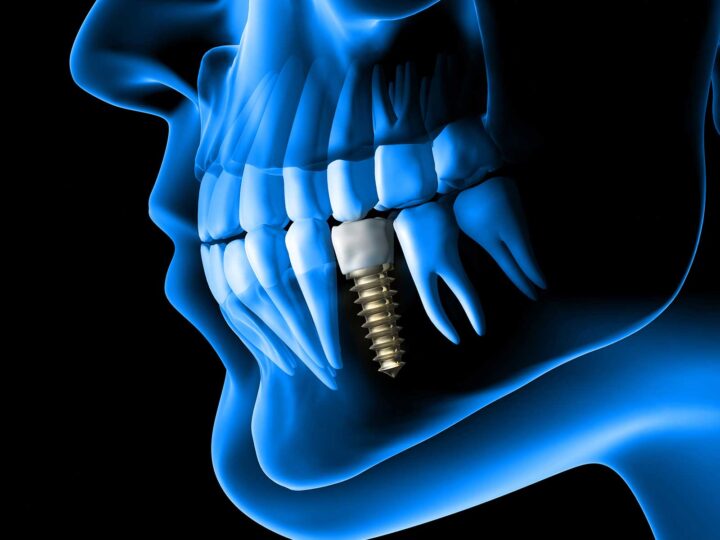
Bone and sinus Do I need a bone graft before implants?
Why bone is lost after extractions, how a surgeon decides whether grafting is needed and what the main options involve.
 Dental implants How much do dental implants cost in London?
The real factors behind implant pricing in London, and how to compare treatment quotes on a like-for-like basis.
Dental implants How much do dental implants cost in London?
The real factors behind implant pricing in London, and how to compare treatment quotes on a like-for-like basis.
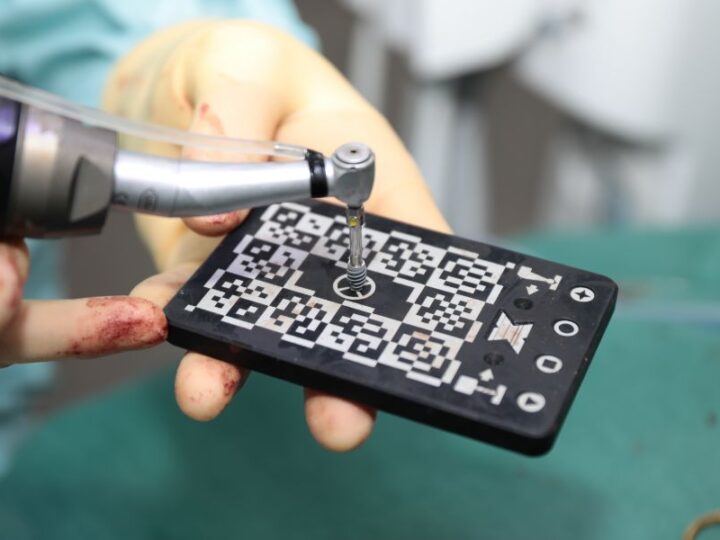 Digital dentistry Guided vs freehand implant surgery: what is the difference?
Static guides, dynamic navigation and freehand placement compared, with the situations where each approach makes sense.
Digital dentistry Guided vs freehand implant surgery: what is the difference?
Static guides, dynamic navigation and freehand placement compared, with the situations where each approach makes sense.
Next step
Talk it through before you decide
Send me a short message about what is going on. You will get an honest answer on whether surgery is the right step, and what the options are.