

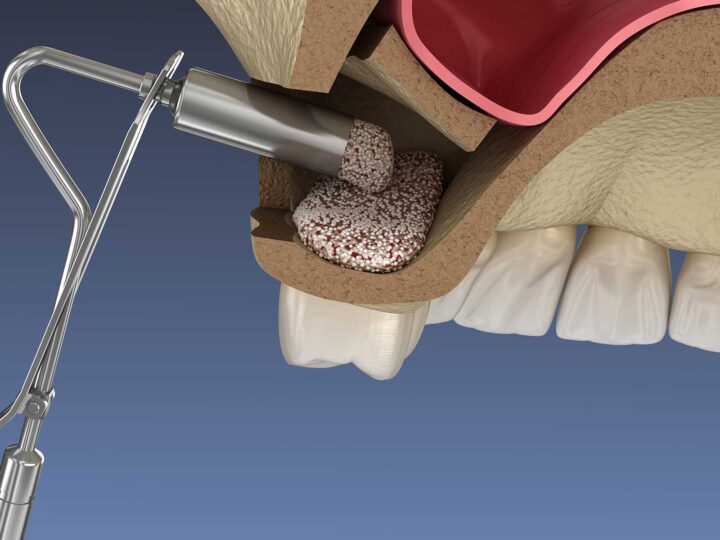
 Bone and sinus Sinus lift: what to expect and how long healing takes
Why a sinus lift is needed, how the procedure works, what recovery feels like and how long the graft takes to mature.
Bone and sinus Sinus lift: what to expect and how long healing takes
Why a sinus lift is needed, how the procedure works, what recovery feels like and how long the graft takes to mature.
Bone and sinus
Do I need a bone graft before implants?
Why does the jawbone shrink after you lose a tooth?
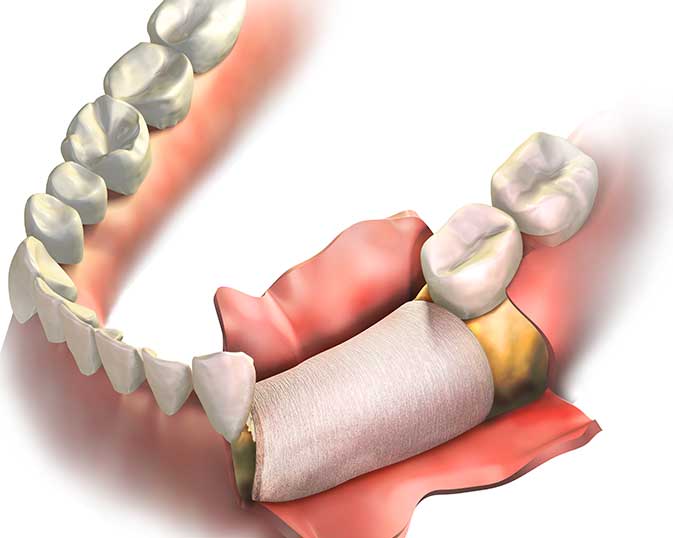
Whether you need a bone graft before implants often depends on what happens to the jaw after an extraction. The bone that surrounds a tooth, called the alveolar bone, exists to support that tooth. Once the tooth comes out, the bone no longer receives the same stimulation and begins to remodel. The outer wall of the socket is often thin, particularly at the front of the mouth, and it tends to resorb first. As a result, the ridge becomes narrower and, over time, shorter.
Most of this change happens in the first months after an extraction, but it continues more slowly for years. Gum disease, infection around the tooth before removal, a difficult extraction and wearing a removable denture over the area can all increase bone loss. In the upper back jaw, the sinus can also expand downwards, reducing bone height further.
How does a surgeon decide if you need a bone graft before implants?
The decision rests on two questions. First, is there enough bone to hold the implant firmly and surround it completely? Second, is the bone in the right position for a crown that looks natural and is easy to clean? Sometimes the available bone would hold an implant, but only in a position that leads to a poor appearance or a crown that is hard to maintain.
A CBCT scan answers these questions in three dimensions. With a digital design of the future tooth, the scan also shows whether the ideal implant position needs additional bone. Dr Battista reviews the scan with each patient, so you understand before treatment whether you need grafting, or why you can avoid it.
Which types of bone graft suit implants?
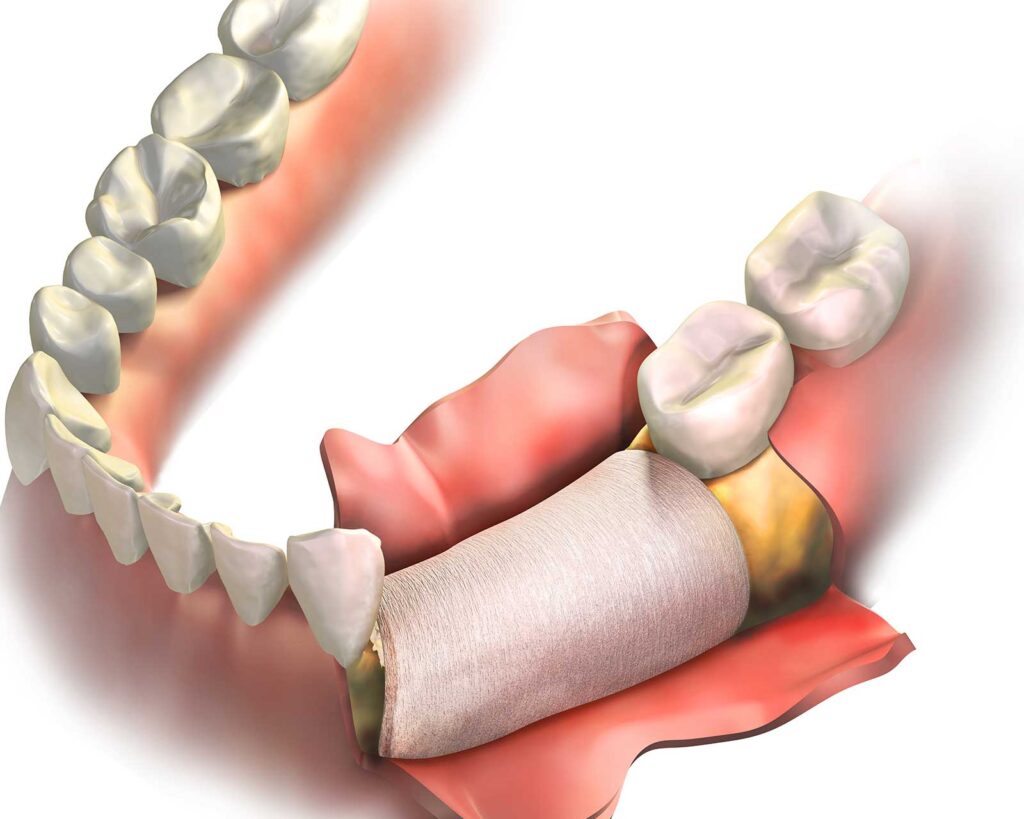
Several grafting techniques exist. The right one depends on the size and shape of the defect. The table below summarises the most common.
| Procedure | What it involves | Typical use |
|---|---|---|
| Socket preservation | Graft material in the socket at the time of extraction | To limit shrinkage when the implant will follow later |
| Guided bone regeneration (GBR) | Graft material under a protective membrane that guides new bone growth | Small to moderate defects in width, often with the implant |
| Sinus lift | Graft beneath the sinus membrane in the upper back jaw | Insufficient height under the sinus |
| Block graft | A piece of bone that small screws hold on the ridge | Larger defects in width or height |
| Ridge split or expansion | The surgeon gently widens the ridge and fills the gap | Narrow ridges with adequate height |
More detail on these techniques is on the bone grafting and sinus lift pages.
Where does the graft material come from?
Graft materials fall into a few groups. Autograft is the patient’s own bone, usually collected from the jaw near the surgical site or from the chin or the back of the lower jaw. It contains living cells and has excellent healing properties. However, the surgeon has to collect it from somewhere, which adds a second site of discomfort.
Xenograft comes from animal bone mineral, most commonly bovine, after careful processing. It acts as a long-lasting scaffold for new bone. Synthetic materials provide a similar scaffold without any animal or human source. Some countries and settings also use allograft: human donor bone after processing. Surgeons often combine the patient’s own bone chips with a substitute. Your surgeon will explain the material proposed and offer alternatives if you have personal, dietary or religious preferences.
Can you have the bone graft at the same time as the implants?
Often, yes. When the existing bone holds the implant firmly and only part of its surface shows, your surgeon can place the graft around it during the same surgery. Combined procedures reduce the number of operations and the overall treatment time.
When the defect is larger, or the bone cannot stabilise the implant, grafting comes first. The graft then heals and matures, typically for several months, before implant placement. This staged approach takes longer but gives a more predictable foundation in difficult cases. Your surgeon will decide on staging after reviewing the scan, and sometimes confirms the decision during surgery once the bone is visible.
Can an implant go in straight after an extraction to avoid grafting?
With an immediate implant, your surgeon places the implant into the socket on the day of the extraction. In suitable cases, immediate placement can help preserve the shape of the gum and bone, and it shortens overall treatment time. The surgeon often adds a small graft in the gap between the implant and the socket wall at the same time.
Immediate implants are not suitable for every situation. Active infection, a damaged outer bone wall, thin gum tissue or insufficient bone beyond the root tip may make a staged approach safer. Careful assessment with a CBCT scan helps decide which approach is appropriate.
What is recovery like after a bone graft?
Recovery depends on the extent of the graft. After a small graft placed with an implant, recovery is usually similar to a single implant: mild swelling and discomfort for a few days, managed with simple painkillers. Larger grafts, particularly block grafts or grafts with bone collected from another site, can cause more swelling and bruising for a week or so.
Typical aftercare includes:
- a soft diet and chewing away from the area
- no smoking, which strongly affects graft healing
- gentle rinsing as advised and careful brushing around the area
- avoiding pressure from a denture on the graft unless your surgeon has adjusted it
- attending reviews and stitch removal as planned
What are the risks of bone grafting?
Bone grafting is routine in implant dentistry, but it carries risks that your surgeon should discuss before treatment. These include swelling, bruising and discomfort; infection; exposure of the membrane or graft through the gum during healing; partial loss of the graft, which may mean less bone than planned; altered sensation if grafting is close to a nerve; and discomfort at a donor site when the surgeon collects your own bone. Smoking, poorly controlled diabetes and pressure from dentures increase the risk of complications.
Good planning, careful handling of the gum, tension-free closure and diligent aftercare all improve outcomes. Your surgeon will explain the specific risks in your case and what would happen if a graft did not heal as expected.
Does the gum need grafting as well?
Bone and gum work together around an implant. Even with enough bone, thin gum tissue can make the grey of an implant show through at the front of the mouth, or leave the area more vulnerable to recession and inflammation. A band of firm, attached gum around an implant also makes cleaning more comfortable.
When the gum is thin or lacking, your surgeon may recommend a soft tissue graft, either at the time of implant placement or at a later stage. The tissue usually comes from the palate, or the surgeon uses a collagen substitute. Your surgeon assesses the need for soft tissue grafting by looking at the gum directly, since a CBCT scan shows bone far better than soft tissue.
How long does treatment take with a bone graft before implants?
A combined graft and implant procedure typically adds little to the usual implant timeline, which is often a few months from placement to the final crown. A staged approach adds the graft healing period first, so the overall process can take many months. That time builds a foundation that supports the implant in the long term. You can usually wear a temporary tooth throughout, so there is no visible gap.
Are there alternatives to a bone graft before implants?
Depending on the anatomy, alternatives can include shorter or narrower implants, angling the implant to use available bone, or placing implants in different positions. In full-arch treatment, angled implants as used in All-on-4 can often avoid grafting at the back of the jaw. Non-implant options, such as a bridge on natural teeth or a removable denture, are also worth discussing. The Oral Health Foundation has general information on implants and how they compare with other options.
The aim is the simplest treatment that gives a safe, stable and maintainable result. If you would like your bone assessed before implant treatment, you can book a consultation.
Frequently asked questions
How do I know if I need a bone graft?
Only a clinical examination and three-dimensional imaging can confirm it. A CBCT scan shows the height, width and shape of the bone, and the position of nerves and sinuses. Combined with a digital plan of the future tooth, it shows whether an implant can be placed in the right position without additional bone, or whether grafting is needed first or at the same time.
How long does a bone graft take to heal before an implant?
When a graft is placed on its own before the implant, it is usually left to heal for several months, often around four to six, and sometimes longer for larger grafts. Small grafts placed with the implant heal during the implant's own integration period. Your surgeon will confirm readiness with an examination and, where needed, a follow-up scan.
Is bone grafting painful?
Grafting is done under local anaesthetic, so it should not hurt during the procedure. Afterwards, discomfort and swelling are common for a few days and are usually controlled with simple painkillers. Larger grafts, or grafts using bone collected from another part of the mouth, can cause more swelling and bruising for about a week.
Can I avoid a bone graft by having an implant straight after extraction?
Sometimes. An immediate implant placed on the day of extraction can help preserve bone and gum shape in suitable cases, although a small graft is often added at the same time. It is not appropriate when there is active infection, a damaged bone wall or insufficient bone beyond the root. A CBCT scan helps decide.
Is the graft material safe?
Graft materials used in UK dentistry are regulated medical devices, processed and sterilised to strict standards. The patient's own bone, processed animal-derived bone and synthetic substitutes are all widely used. Your surgeon will explain which material is proposed and why, and can discuss alternatives if you have personal, dietary or religious preferences about animal-derived products.
What happens if a bone graft fails?
Partial loss of graft material can happen, for example if the membrane becomes exposed or an infection develops. Often enough bone remains to proceed, perhaps with a smaller implant or additional grafting at the time of placement. If a graft fails completely, the area is allowed to heal and the options are reassessed with a new scan.
More guides
All guides
Bone and sinus Sinus lift: what to expect and how long healing takes
Why a sinus lift is needed, how the procedure works, what recovery feels like and how long the graft takes to mature.
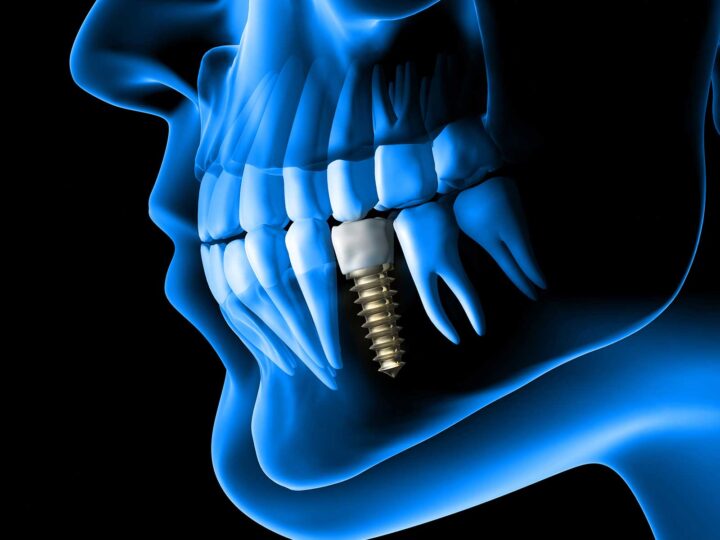 Dental implants How much do dental implants cost in London?
The real factors behind implant pricing in London, and how to compare treatment quotes on a like-for-like basis.
Dental implants How much do dental implants cost in London?
The real factors behind implant pricing in London, and how to compare treatment quotes on a like-for-like basis.
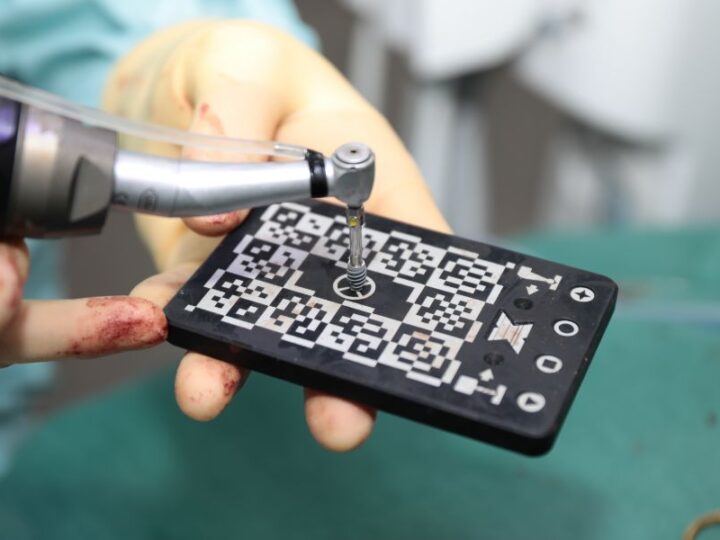 Digital dentistry Guided vs freehand implant surgery: what is the difference?
Static guides, dynamic navigation and freehand placement compared, with the situations where each approach makes sense.
Digital dentistry Guided vs freehand implant surgery: what is the difference?
Static guides, dynamic navigation and freehand placement compared, with the situations where each approach makes sense.
Next step
Talk it through before you decide
Send me a short message about what is going on. You will get an honest answer on whether surgery is the right step, and what the options are.